When Customer Communication Platforms Pivot: What Intercom's Rebranding Means for Your Business
When Customer Communication Platforms Pivot: What Intercom's Rebranding Means for Your Business
We've all seen it happen in tech: a company that built its reputation on one thing suddenly charts a new course. Sometimes it's genius. Sometimes it's confusing. And sometimes it forces existing users to ask hard questions about their own technology stack.
Platform rebrands don't happen in a vacuum, and when they do, they're usually telling us something important about where the market is heading.
Why Companies Rebrand (And What It Really Means)
When an established SaaS platform changes its name or positioning, there's always a story behind it. It's rarely just about marketing whimsy. Usually, it signals one of three things:
1. The market evolved faster than the brand name Your product might have started as a focused solution but grown into something much broader. A rebrand acknowledges that reality and helps new potential customers understand your true scope.
2. The competitive landscape shifted New players entered the market, or existing competitors moved into adjacent spaces. A rebrand can be a strategic repositioning to claim new territory or clarify what makes you different.
3. The business model fundamentally changed Perhaps you're moving from user-centric pricing to usage-based models, or shifting from a traditional SaaS offering to an AI-powered platform. These changes warrant a visual and narrative refresh.
The AI Acceleration Effect
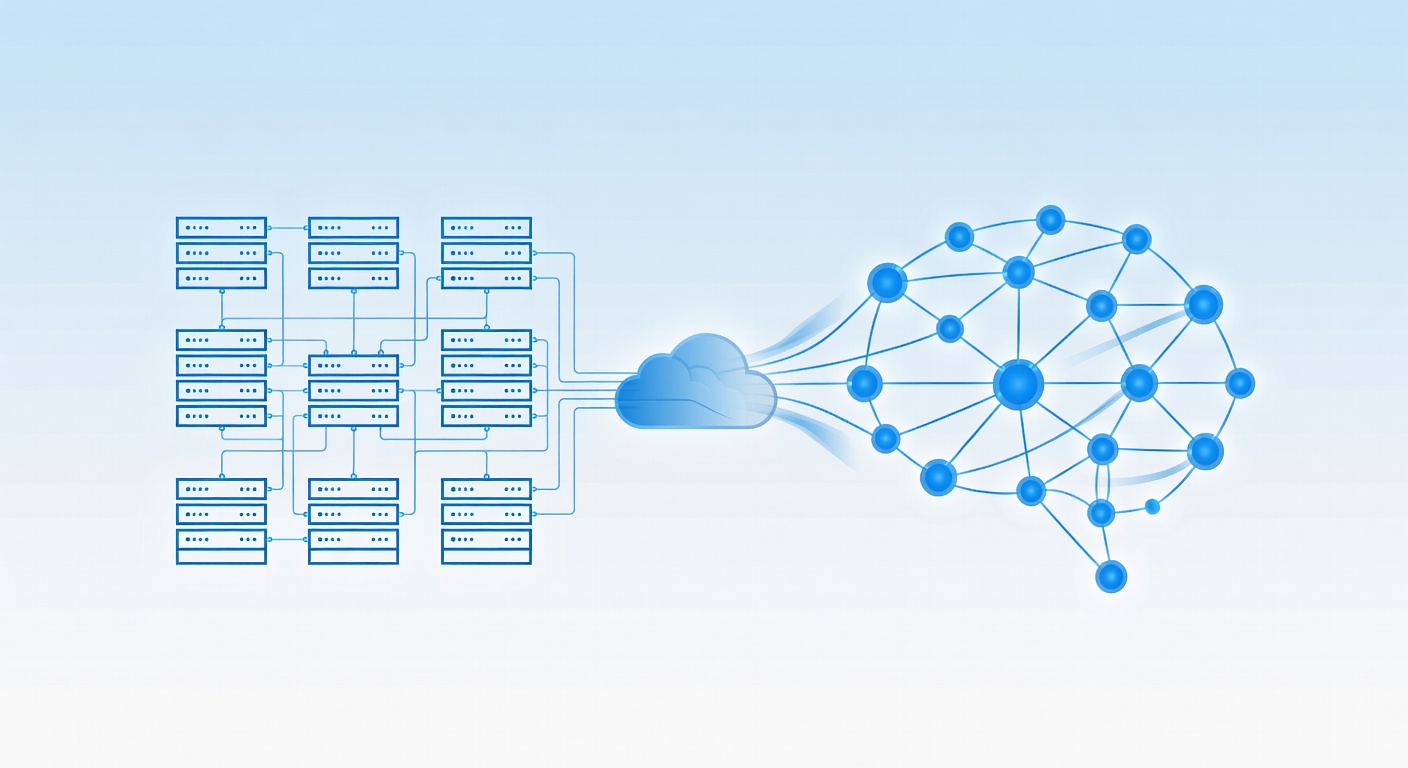
If you're paying attention to the broader tech ecosystem, you've noticed something: platforms are pivoting toward AI integration at an unprecedented pace. Every communication platform, analytics tool, and development service is asking itself: "What does this look like with AI baked in?"
This trend affects hosting, domain management, and cloud infrastructure decisions too. When your communication layer becomes AI-powered, it has different computational requirements. It scales differently. It needs different infrastructure considerations.
What This Means for Your Tech Stack
If you're running applications on cloud platforms and relying on third-party communication services, major pivots from those providers should prompt a few questions:
Are your integration points still stable? APIs and webhooks sometimes shift during repositioning. Review your dependencies and test your integrations.
Does the new direction align with your roadmap? If a platform is moving in a direction that doesn't match your needs, this might be the moment to evaluate alternatives. Better to make that decision on your timeline than react to forced migrations later.
Are pricing models changing? Rebrands often accompany pricing adjustments. Understand the economics before you're locked into a new contract.
The Broader Pattern
What we're witnessing across the SaaS landscape is a fundamental reshuffling. Companies that built one-trick ponies are expanding. Specialists are becoming platforms. Traditional tools are getting AI overhauls.
At NameOcean, we see this play out constantly. Hosting needs change as applications get smarter. Domain strategies shift when companies pivot their core business. The infrastructure that worked three years ago might not be optimal for your AI-powered development workflows today.
Staying Nimble
The real lesson here isn't about any single company's rebrand. It's about building your own business on foundations that can adapt. That means:
- Choosing hosting providers with flexibility built in (like our Vibe Hosting, which scales with your actual needs, not just your predefined tier)
- Maintaining loose coupling with third-party services so switches don't require architectural rewrites
- Regularly auditing your cloud costs and infrastructure choices—quarterly, not yearly
- Staying informed about where your critical vendors are heading
The Bottom Line
When major platforms rebrand, it's often a signal that the tech landscape is shifting beneath our feet. That's not something to fear—it's something to acknowledge and respond to strategically.
Use these moments as checkpoints to review your own technology decisions. Are your domain registrar, hosting provider, and infrastructure tools still serving your actual needs? Or are you carrying legacy choices that made sense two years ago but don't anymore?
The companies that thrive in rapid-change environments aren't the ones reacting to every platform pivot. They're the ones maintaining enough architectural flexibility to adapt when it matters.