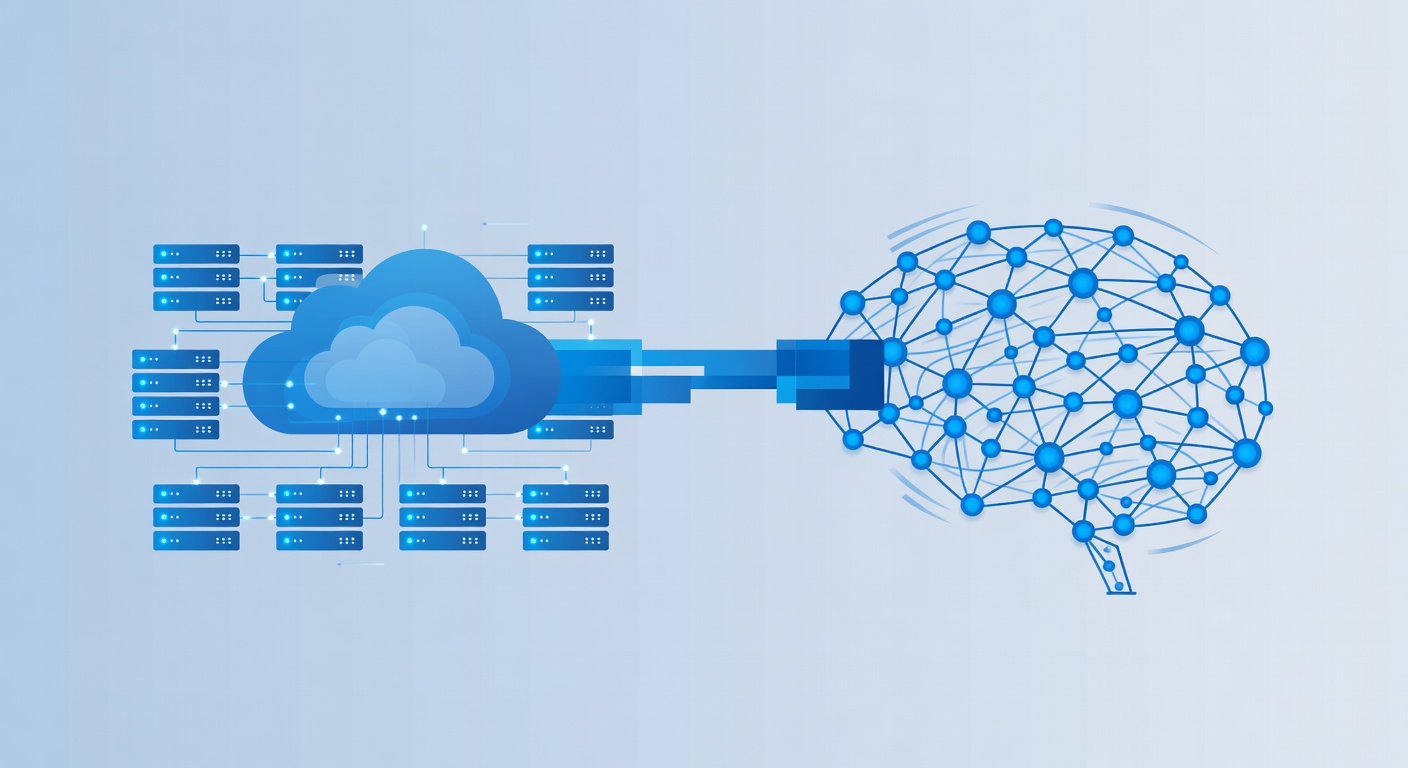
When AI-Assisted Development Leaves You Groggy: Managing the Vibe Coding Hangover
When AI-Assisted Development Leaves You Groggy: Managing the Vibe Coding Hangover
Remember that feeling after an all-night coding marathon? The kind where you shipped features at warp speed, felt invincible, and then... crash. The next morning, you're staring at code you barely remember writing, wondering why everything feels fragile.
That's the vibe coding hangover—and it's becoming increasingly real as AI-assisted development tools mature.
The Intoxicating Promise of Speed
Let's be honest: AI-powered development is addictive. Tools that suggest code completions, generate boilerplate, and even draft entire functions are genuinely transformative. At NameOcean, we've seen how Vibe Hosting's AI-assisted features let developers spin up cloud infrastructure and configure DNS records in a fraction of the time traditional approaches require.
The dopamine hit is real. You're shipping faster. Your velocity metrics look incredible. Your manager is happy. What's not to love?
But here's where things get thorny: speed without intentionality is just technical debt with better marketing.
The Hidden Cost of the Productivity Spike
When you're in the zone with AI assistance, several things happen psychologically and technically:
1. Reduced Code Review Rigor AI-generated code looks polished and feels "safe" because it's typically based on common patterns. This creates a false confidence that reduces the scrutiny code receives. You skip the deep review because it looks right, even if it might not be right for your specific context.
2. Context Collapse AI tools operate on pattern matching and statistical probability. They don't know your business logic, your security requirements, or why you made specific architectural decisions three months ago. You end up with code that works but isn't aligned with your system's soul.
3. Knowledge Erosion Here's the uncomfortable truth: if you're always accepting AI suggestions, you stop thinking deeply about problem-solving. Junior developers especially risk missing crucial learning moments. The skill you don't practice atrophies.
4. Testing Theatre It's tempting to ship AI-generated code with AI-generated tests. Both look comprehensive at first glance. Neither guarantees real safety.
Recognizing the Hangover
You're experiencing vibe coding hangover when:
- You can't explain why certain functions exist or how they interact
- Your codebase has grown 30% but your architectural understanding hasn't
- Pull requests take longer to review because the code "looks fine but feels off"
- Your security audits flag issues that should have been caught earlier
- Junior developers complain they're not learning as much
- Onboarding new team members takes longer than it used to
Building Sustainable AI-Assisted Development
The answer isn't to reject AI tools—that would be silly. Instead, treat AI assistance like any powerful tool: with respect and boundaries.
Establish Clear Gates Decide which code categories get AI assistance and which don't. Critical authentication logic? Security-sensitive operations? Core business algorithms? These might warrant human-first approaches. Boilerplate and scaffolding? Perfect AI territory.
Implement Intentional Review AI-generated code needs different review practices, not lighter ones. Focus on:
- Does this align with our architectural patterns?
- What assumptions is this making?
- How does this interact with our broader system?
- What edge cases might it miss?
Preserve Learning Opportunities Protect junior developers' growth by occasionally saying no to AI suggestions—not to be difficult, but to ensure they're building mental models, not just copy-pasting.
Invest in Quality Gates Automated testing, security scanning, and architectural linting become more important when AI is in the loop, not less. You need strong safety nets because you're moving faster.
Document the Reasoning When AI generates code, add comments explaining why this approach was chosen, what alternatives were considered, and what constraints it must satisfy. This documentation becomes your institutional knowledge.
The NameOcean Approach
At NameOcean, we've learned that the best use of AI in hosting and infrastructure isn't about replacing developer judgment—it's about augmenting it. Vibe Hosting's AI-assisted features excel at:
- Suggesting optimal DNS configurations based on your traffic patterns
- Recommending SSL certificate strategies
- Identifying infrastructure inefficiencies
- Accelerating cloud resource provisioning
But we always preserve the human decision-making layer. Developers review recommendations, adjust them for their specific needs, and maintain clear understanding of their infrastructure.
Moving Forward
The vibe coding hangover is a growing pain of AI-assisted development. The developers who thrive won't be those who resist the tools or those who blindly trust them—they'll be those who use AI strategically, maintain their decision-making authority, and treat speed as a feature, not the goal.
Your codebase in six months will thank you for the discipline you show today.
Ready to build smarter? Explore how NameOcean's Vibe Hosting can accelerate your infrastructure decisions without sacrificing clarity or control.