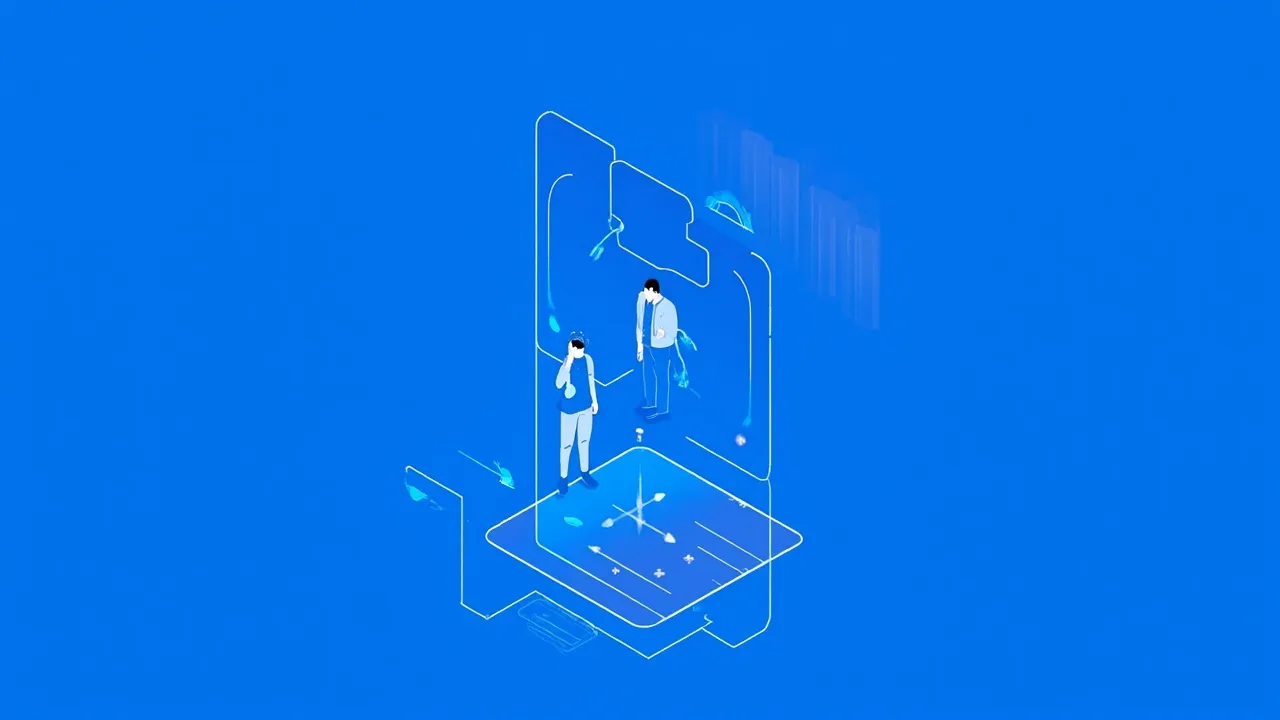
The Future of Web Apps: When Your Browser Becomes an Operating System
The Future of Web Apps: When Your Browser Becomes an Operating System
Remember when "web app" meant a clunky form-based interface that reloaded the entire page every time you clicked something? Those days are fading fast. We're witnessing the emergence of something far more ambitious: browser-native platforms that function as complete digital environments.
Beyond Single-Page Applications
Traditional single-page applications (SPAs) made websites feel more responsive, but they still operated within the constraints of a webpage. The new generation of browser-native platforms throws out that mental model entirely. These aren't websites that act like applications — they're complete ecosystems that happen to run in your browser tab.
The concept is compelling: a persistent world where your files, applications, and activities carry consequences beyond your current session. When you create something, it remains. When you take action, it echoes. The browser becomes less of a document viewer and more of a habitat.
Why This Matters for Developers
For developers, this represents a fundamental shift in architecture thinking. Instead of designing pages, you're designing environments. Instead of managing page states, you're managing world states. The technical challenges are substantial:
Persistence Without a Backend
How do you maintain state across sessions without traditional server-side infrastructure? This requires creative solutions involving local storage, service workers, and sometimes peer-to-peer networking.
Security in Untrusted Environments
Running complex application logic in the browser means rethinking security models. The sandbox that protects users also constrains what developers can do.
Performance Boundaries
Native applications have direct hardware access. Browser-native platforms must squeeze maximum performance from JavaScript engines and Web APIs — a constant optimization battle.
The Vibe Coding Revolution
This is where "vibe coding" meets its logical evolution. The tools and frameworks emerging to build these environments prioritize developer experience and iteration speed. You don't need to be a systems programmer to create immersive browser experiences anymore.
The platforms leading this charge are lowering barriers to entry while raising the ceiling for what's possible. Whether you're building productivity tools, creative applications, or social platforms, the browser is becoming a legitimate alternative to native development.
What Persists After You Leave
The most intriguing aspect of these browser-native platforms is the "consequences" element. Traditional web apps reset when you close the tab. These new environments maintain continuity — your actions shape a state that survives your session.
This changes user expectations dramatically. Web applications can now have genuine memory and history. A todo list becomes more than temporary data — it becomes part of a persistent world you've built.
The browser has always been a window into networked information. Now it's becoming a window into persistent digital spaces you help create. Whether this represents the future of computing or an interesting niche remains to be seen, but one thing is certain: the line between "web" and "application" has never been blurrier — or more exciting.
What would you build if your browser was more than a browser?