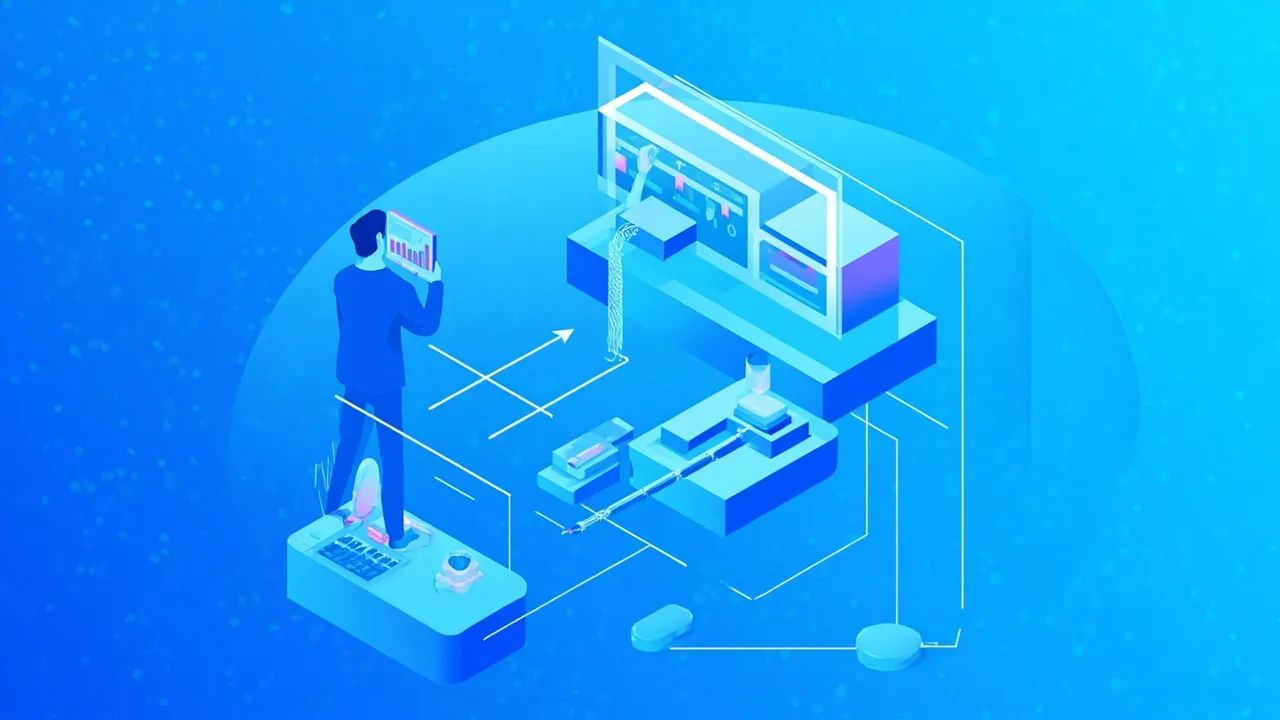
The AI-Powered Web: Partner or Puppet Master?
The web is changing faster than ever, and artificial intelligence sits at the center of this transformation. From AI-assisted coding to automated deployment pipelines, from intelligent load balancing to content generation tools, the modern internet looks increasingly like something we didn't entirely build ourselves. But here's the thing: that's not necessarily a bad thing.
The Rat Race vs. The Rat's Paradise
The original framing—rats in the walls—suggests a dystopian view of AI's web dominance. We've all seen the headlines about AI replacing developers, automated systems making decisions without human oversight, and algorithms controlling what we see and do online. It's enough to make anyone feel like a small player in a very large, very intelligent machine.
But let's flip that script for a moment.
What if instead of being trapped in the walls, we're actually being handed the keys to the building? AI isn't replacing developers—it's amplifying what we can accomplish. When you use vibe coding tools or AI-assisted development environments, you're not becoming obsolete. You're gaining leverage.
Vibe Hosting in an AI-First World
Here at NameOcean, we've embraced this shift. Our Vibe Hosting platform leverages AI to handle the complexity that used to consume developer hours. Intelligent caching, predictive scaling, automated security monitoring—these aren't things your developers need to babysit anymore.
This matters because it frees your team to focus on what humans do best: creative problem-solving, understanding user needs, and building products that solve real problems. The repetitive, resource-intensive tasks? Those are exactly what AI handles well.
The Honest Conversation About Dependency
But let's not pretend there aren't real considerations here. When we offload more decision-making to AI systems, we accept certain trade-offs. Our DNS configurations become "intelligent" but potentially less transparent. Our hosting automatically optimizes, but understanding exactly why resources are allocated a certain way requires trust in systems we don't fully control.
This isn't unique to web hosting, of course. Every industry navigating AI adoption faces the same tension between efficiency and control. The key is making informed choices about which decisions you're comfortable delegating.
Thriving in the AI Web
So where does that leave developers and startups building for this new landscape?
First, understand your tools. Don't treat AI as magic—learn what it does well and where it needs human guardrails.
Second, maintain core competencies. Understanding how DNS works, even if AI optimizes it for you, makes you better at debugging and planning.
Third, embrace the leverage. If AI can handle the tedious work of deployment configurations, security updates, and resource optimization, that's time you can spend on actual product development.
The Bottom Line
We're not rats in the walls of an AI-dominated web. We're architects with new tools, developers with powerful assistants, and startups with capabilities that would have seemed impossible just a few years ago.
The web is becoming AI-powered, sure. But the humans building on it are becoming AI-enabled. That's a fundamentally different—and more optimistic—picture.
The question isn't whether AI will reshape the web. It already is. The question is whether you'll use those changes as an excuse to feel powerless, or as an invitation to build things that much bigger.
We know which one we're betting on.