Stop Drowning in Tasks: How AI Agent Skills Can Transform Your Development Workflow
The Task Management Trap Developers Know Too Well
Let's be honest: task management is a necessary evil. Between Jira tickets, GitHub issues, Slack updates, and scattered documentation, developers spend an alarming amount of time just... managing. Not building. Managing.
The irony? We're developers. We're supposed to automate repetitive work. Yet somehow, we've accepted that manually updating project statuses, syncing documentation across platforms, and keeping stakeholders informed is just "part of the job."
It doesn't have to be this way.
Enter: AI Agent Skills for Development Teams
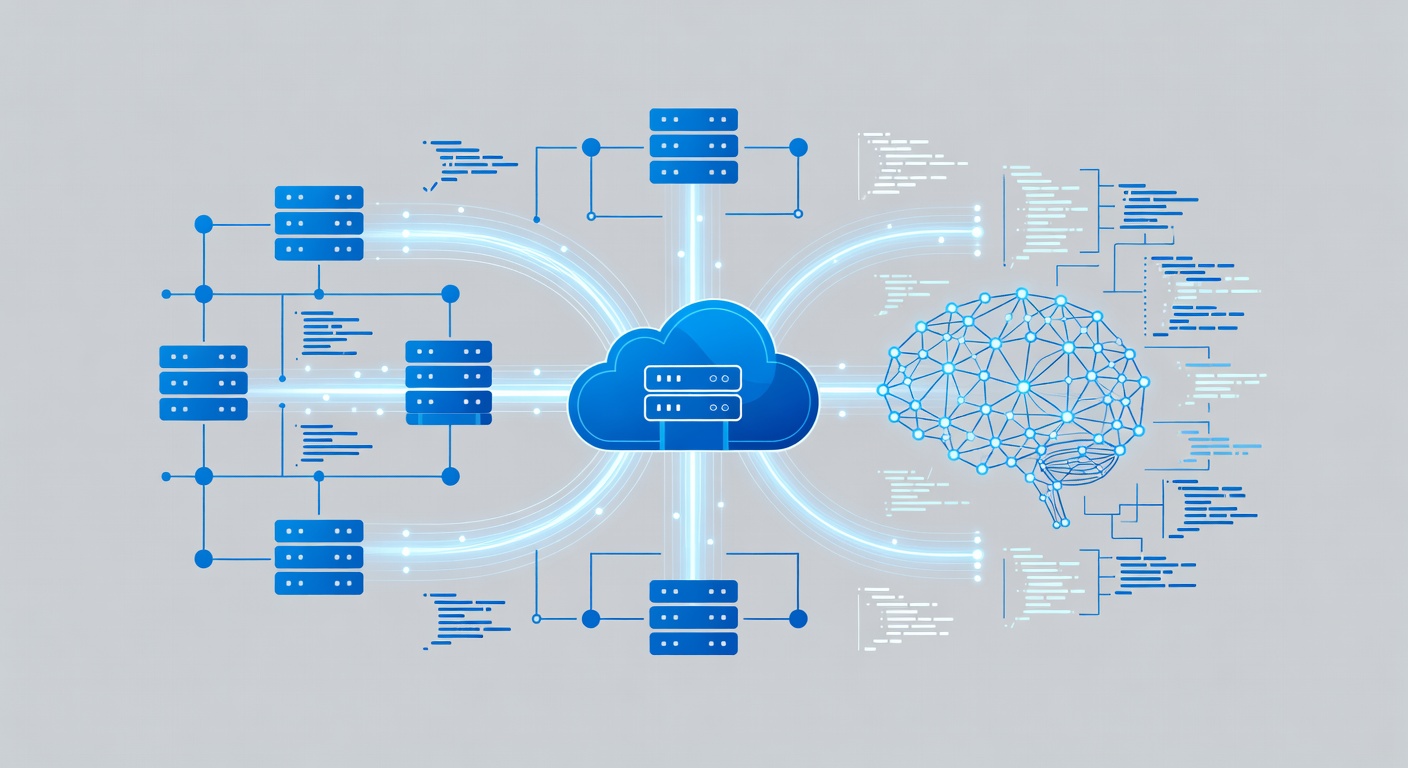
Imagine if your AI assistant could actively manage your workflow—not just answer questions, but take action. That's the premise behind intelligent agent skills designed specifically for developers who are tired of context-switching.
These aren't basic chatbots. We're talking about AI agents that can:
- Automatically sync task statuses across your project management tools
- Generate and update documentation as your codebase evolves
- Track project dependencies and flag bottlenecks before they become problems
- Coordinate between teams without requiring manual status updates
Why This Matters for Your Team
The hidden cost of task management chaos isn't just lost time—it's cognitive overhead. Every context switch costs you momentum. Every manual documentation update is a chance for information to diverge from reality.
When you're shipping features on a tight deadline, your brain should be solving algorithm problems, not copy-pasting status updates into four different tools.
AI agent skills that handle synchronization and task orchestration give you back:
Focus — Your team stays in deep work mode longer
Accuracy — Automated updates eliminate human error and inconsistency
Visibility — Real-time project state without manual polls and check-ins
Scalability — As your project grows, your automation grows with it
Building Better AI Workflows
The emerging ecosystem of AI agent frameworks means developers can now build custom task-handling agents tailored to their specific workflow. Instead of forcing your team into rigid project management structures, you can design automation that fits how you actually work.
This is particularly powerful for:
- Distributed teams working across time zones (async documentation updates)
- Rapid prototyping environments where project structures change weekly
- Open-source projects juggling community contributions and internal roadmaps
- Startups where everyone wears multiple hats and documentation lags badly
The Technical Side: What Makes These Skills Work
Effective AI agent skills lean on a few key capabilities:
API Integration — Connecting to your GitHub, Jira, Slack, and documentation platforms seamlessly
Natural Language Understanding — Interpreting human intent from commit messages, issue descriptions, and team chat
State Management — Keeping track of task relationships and project dependencies without losing data
Idempotent Operations — Running updates safely without duplicating work or creating conflicts
Error Recovery — Handling failures gracefully when APIs timeout or data is incomplete
The Missing Piece: Domain-Specific Intelligence
Off-the-shelf project management AI often misses the nuances of software development. A generic task-assignment AI doesn't understand code review requirements, build pipelines, or why a feature might be blocked waiting for a dependency.
That's where specialized developer-focused agent skills shine. They understand that a "blocked" task might have very different implications in CI/CD versus product roadmapping.
Getting Started: From Concept to Implementation
If you're thinking about integrating AI agent skills into your workflow, start small:
- Pick one pain point — Maybe it's documentation drift or status update fatigue
- Define the agent's scope — What tools does it touch? What decisions can it make autonomously?
- Set up guardrails — Ensure the AI asks for human approval on critical changes
- Measure the impact — Track time saved and error reduction over a sprint or two
The teams seeing the biggest wins typically start with their most repetitive, least creative task, then expand from there.
The Bigger Picture: AI as Your Development Force Multiplier
We're at an interesting inflection point. AI is moving from "helpful tool you consult" to "active participant in your workflow." Rather than replacing developers, well-designed agent skills remove friction from the non-creative work, freeing your brain for the parts of development that actually require human judgment.
Your competitive advantage isn't in how well you fill out Jira tickets. It's in how fast you can iterate, how cleanly you can ship, and how well your team communicates. If AI can automate the glue work that binds those processes together, that's a genuine productivity multiplier.
What's Next for Developers?
The tools are emerging rapidly. Open-source frameworks for building custom AI agents are more accessible than ever. Your existing development platforms—GitHub, GitLab, your cloud provider—are adding AI capabilities at a pace that would've seemed impossible two years ago.
The question isn't really "should we use AI agents for task management?" It's "how quickly can we iterate on what we build before our competitors do?"
And for that, you need your team's focus back.
Ready to streamline your development workflow? At NameOcean, we understand the technical infrastructure behind scalable projects. Whether you're hosting documentation, managing APIs, or building cloud-native applications, having reliable infrastructure means your team can focus on what matters. Explore how our AI-assisted development tools can complement your workflow optimization efforts.