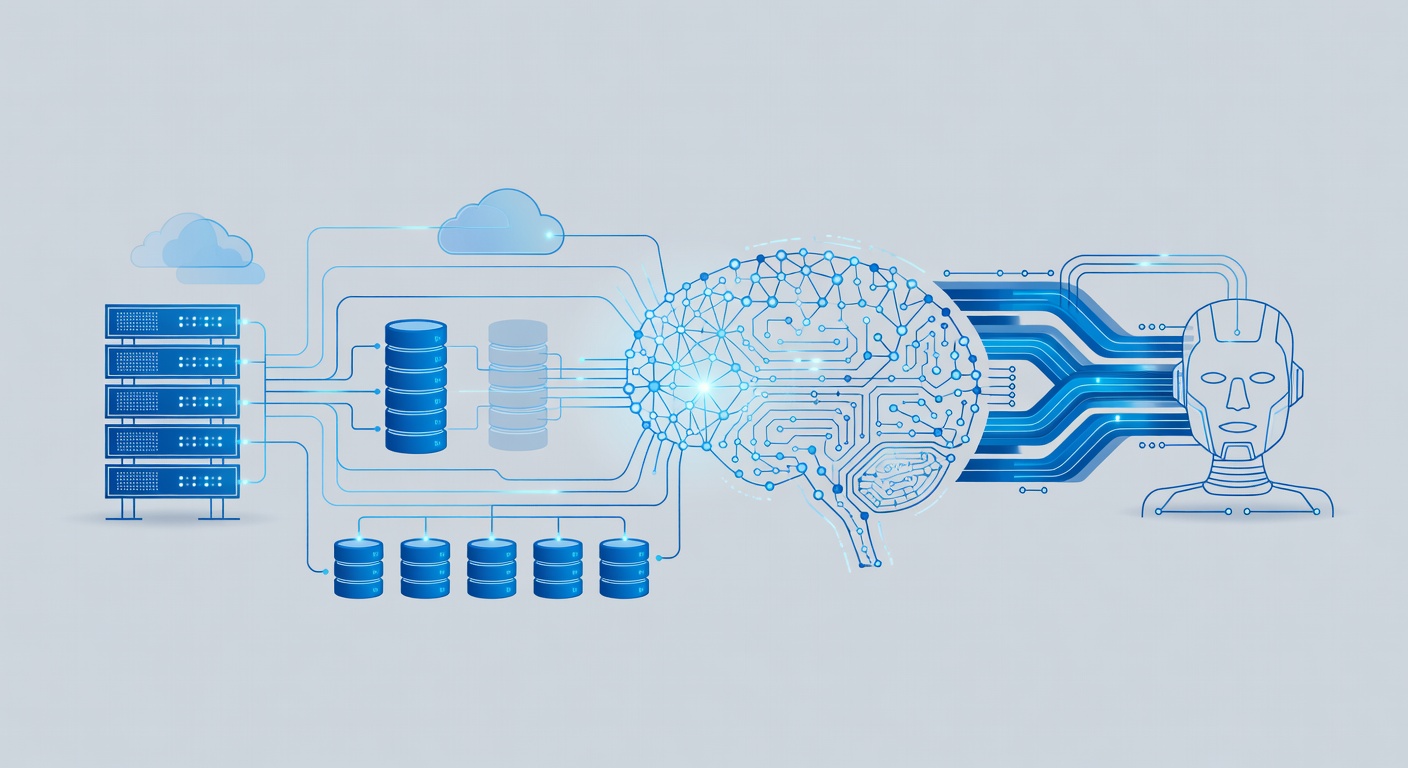
RuleSync: Building Better AI Coding Agents with Smart Rule Management
RuleSync: Building Better AI Coding Agents with Smart Rule Management
We're living in the golden age of AI-assisted development. GitHub Copilot, Claude, ChatGPT—these tools are incredible productivity boosters. But here's the catch: without proper guidance, AI agents can generate code that works technically but violates your project's conventions, security policies, or architectural patterns.
That's where RuleSync comes in.
The Problem with Unsupervised AI Coding
Think about your last code review. How many times did you find yourself correcting formatting issues, naming conventions, or architectural decisions that an AI tool could have gotten right the first time?
When AI coding agents operate without constraints, they become like interns without mentorship—enthusiastic but unpredictable. They might:
- Use naming conventions that conflict with your codebase
- Ignore your team's preferred design patterns
- Generate code that doesn't align with your security requirements
- Bypass linting rules or test coverage thresholds
- Create dependencies you'd rather avoid
The result? More time spent reviewing and refactoring AI-generated code, which defeats the whole purpose of using these tools in the first place.
What RuleSync Does Differently
RuleSync is a command-line utility that bridges the gap between AI capabilities and your project's specific requirements. Instead of letting your AI coding agent make decisions independently, RuleSync gives it a rulebook—a set of constraints and guidelines that shape its output before you even see it.
Think of it as configuration for your AI assistants. Just like you configure ESLint, Prettier, or TypeScript to enforce coding standards, RuleSync enforces behavioral standards for your AI agents.
Key Benefits
Consistency Across Projects: Define rules once, apply them everywhere. When you onboard a new AI tool or switch between different agents, your standards remain intact.
Faster Code Reviews: If your AI agents already follow your rules, reviewers spend less time on style and convention corrections, and more time on architecture and logic.
Security and Compliance: Enforce security patterns, banned packages, or compliance requirements at the AI level. Your agents learn what you will and won't accept.
Team Alignment: New developers (human ones) can see exactly what rules the AI agents follow, making it easier to understand project conventions.
Continuous Improvement: As your project evolves, update your rules and your AI agents automatically adapt.
How RuleSync Fits Into Your Workflow
Imagine this scenario: Your startup uses Claude for code generation, but you want to ensure all database queries use your custom ORM, and all API endpoints include rate-limiting middleware.
Instead of telling Claude this context manually every time, you define these rules in RuleSync. The CLI parses these rules and can:
- Validate code before submission
- Provide contextual guidance to AI agents about your expectations
- Generate summaries of rule violations
- Integrate with your CI/CD pipeline
The beauty is flexibility. RuleSync works with different AI agents and coding platforms because it's agent-agnostic—it's purely about managing and communicating your rules.
The Bigger Picture: AI as a Team Member
Here's what's happening in the industry right now: AI isn't replacing developers—it's becoming a team member that needs direction. The teams winning with AI are the ones treating it like a junior developer who needs clear guidelines and mentorship.
RuleSync represents this philosophy in action. It's not about restricting AI; it's about structuring collaboration. Your AI agents become more valuable when they understand your constraints, just like human team members do.
As AI coding tools become more prevalent, the tools that help manage AI will be just as important as the AI tools themselves. RuleSync is betting on this trend, and it's a smart bet.
Getting Started with RuleSync
If you're already using AI coding agents and finding yourself in endless review cycles, RuleSync is worth exploring. The project is open-source, meaning you can:
- Customize it for your specific needs
- Contribute improvements back to the community
- Integrate it with your existing development stack
- Extend it as your requirements evolve
For teams at NameOcean and beyond using AI for web development, infrastructure code, or backend systems, RuleSync could be the missing piece that turns AI assistance from "helpful but imperfect" to "reliable and aligned."
Final Thoughts
The future of development isn't about choosing between human developers and AI agents—it's about creating systems where they work together effectively. Tools like RuleSync make that partnership possible by ensuring AI stays aligned with your vision, your standards, and your values.
If you've felt friction between AI-generated code and your project's needs, it's time to stop adjusting your standards down and start configuring your AI agents up.