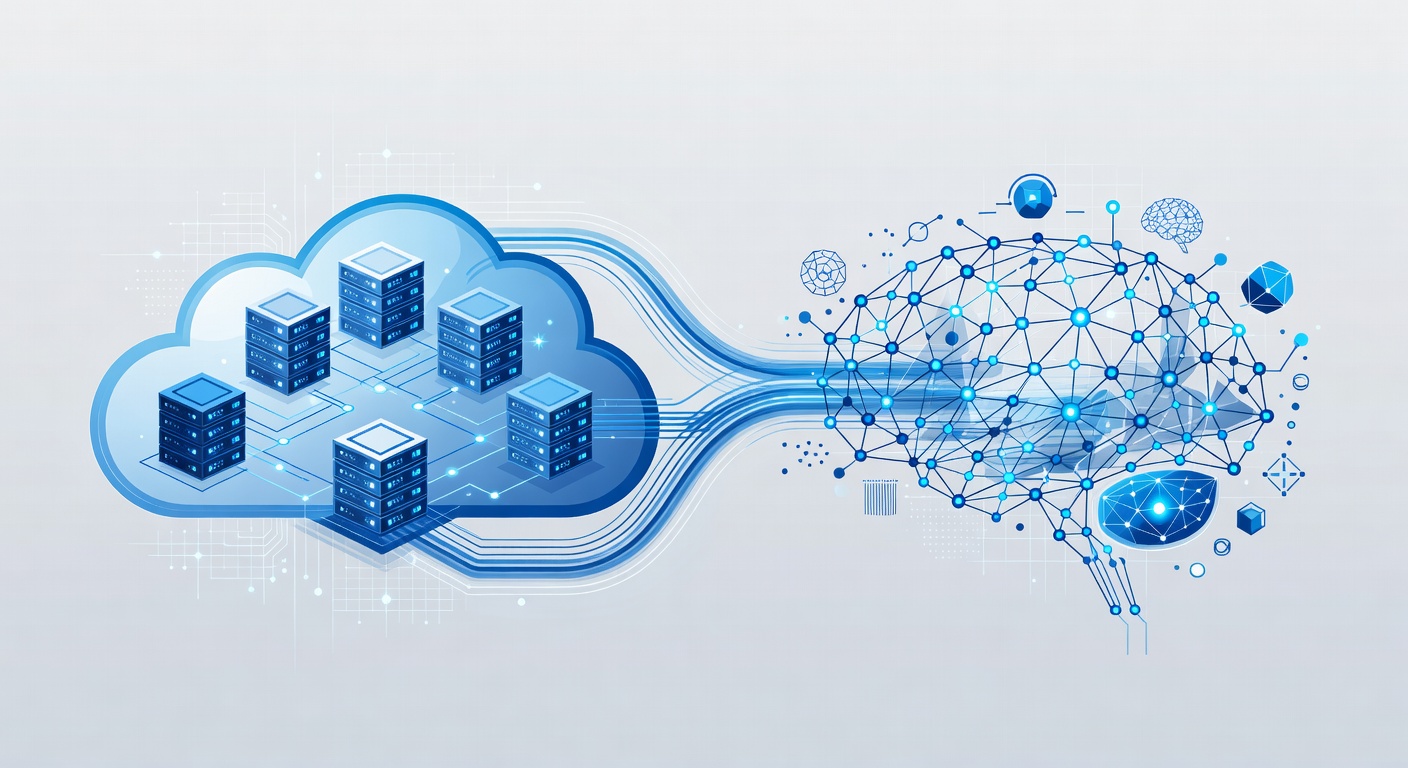
Multi-Agent Systems Are Here—And They're Changing How Developers Build
Multi-Agent Systems Are Here—And They're Changing How Developers Build
If you've been paying attention to the AI development space, you've noticed something shifting. We're moving beyond single-task AI helpers toward systems where multiple specialized agents work together, each handling different responsibilities in a larger workflow.
The problem? Orchestrating multiple AI agents is messy.
The Coordination Challenge
When you spin up multiple AI agents—one for code generation, another for testing, a third for documentation—they need direction. They need oversight. They need someone (ideally a human) to validate decisions and course-correct when things go sideways.
Without proper management, you end up with agents working at cross-purposes, redundant operations, and results that need heavy manual review anyway. That defeats the purpose of automation in the first place.
Enter: Multi-Agent Managers
This is where specialized orchestration tools become invaluable. A robust multi-agent manager acts as a conductor—coordinating parallel workflows, maintaining context across operations, and most critically, keeping humans informed and involved at decision points.
Think of it like this: your agents do the work, but a good manager ensures you're never blind to what's happening.
Why This Matters for Developers
For developers and teams building with AI-assisted tools, a solid multi-agent framework means:
Transparency: You see exactly what each agent is doing and why Control: You can intervene, redirect, or override decisions Scalability: As your automation grows more complex, your orchestration layer grows with it Reliability: Coordinated agents catch each other's mistakes rather than compounding them
Building on Solid Foundations
Open-source projects tackling multi-agent management are crucial to this ecosystem. They establish patterns, prove concepts, and give teams starting points rather than forcing them to reinvent coordination from scratch.
Whether you're building AI-powered development workflows, automating cloud infrastructure tasks, or coordinating deployment pipelines, the principles are the same: multiple specialized agents working under unified management with human visibility throughout.
The Road Ahead
As AI moves from being a solo assistant in your toolkit to being part of a larger system, the quality of your orchestration layer becomes as important as the quality of individual agents. The teams that master multi-agent coordination will be the ones shipping faster without sacrificing reliability.
If you're exploring these patterns, contributing to open-source multi-agent projects, or building your own orchestration layers, now's the time. This is the frontier of practical AI development.