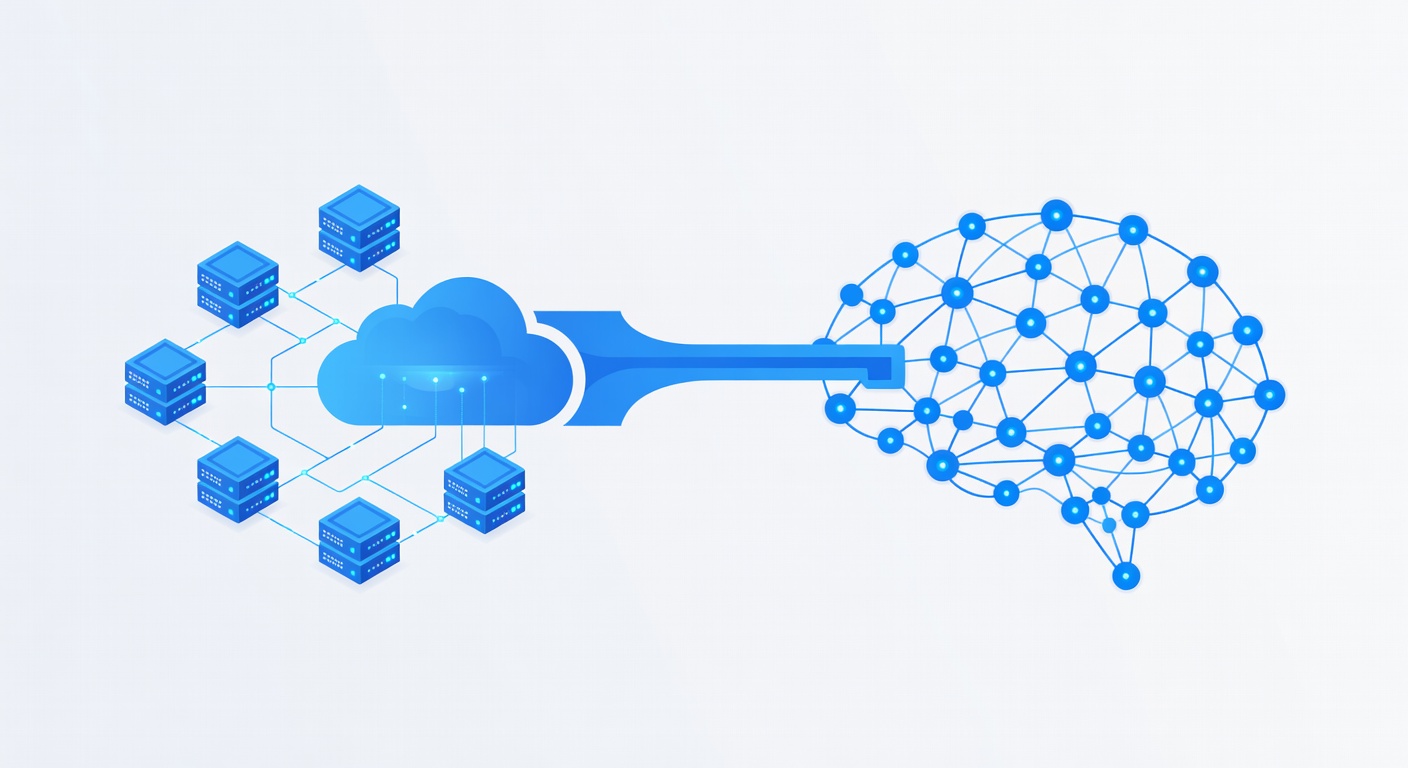
How AI-Powered Development Platforms Are Reshaping the Way We Build Software
How AI-Powered Development Platforms Are Reshaping the Way We Build Software
The Setup Problem We've All Faced
Let's be honest: setting up a development environment is tedious. Whether you're spinning up Node.js, configuring Python virtual environments, or wrestling with Docker containers, the initial friction is real. New team members waste hours on onboarding. Side projects languish because you can't be bothered to set up your local machine. And don't even get us started on the compatibility nightmares when someone uses Windows and everyone else uses Mac.
This is the problem modern cloud-based development platforms are solving—and they're doing it faster than we expected.
Enter the AI Development Layer
Platforms that combine cloud-based IDEs with artificial intelligence are fundamentally changing this equation. Instead of manually scaffolding projects, configuring dependencies, and debugging obscure setup errors, AI handles the heavy lifting. Need a web app? Tell the AI what you want. It generates boilerplate, suggests architecture patterns, and catches common mistakes before they become production headaches.
The magic isn't just in code generation. It's in instant deployment. You don't need to understand containerization, CI/CD pipelines, or cloud infrastructure to get your application live. The platform handles that complexity invisibly.
What This Means for Different Developer Personas
For Beginners: AI-assisted development removes the barrier to entry. You can learn programming concepts without drowning in environmental setup. You're coding within seconds, not hours.
For Experienced Developers: The efficiency gains are substantial. Rapid prototyping becomes genuinely rapid. You can validate ideas in minutes instead of spending a day setting up infrastructure. This is a superpower for startup founders and indie developers with limited time.
For Teams: Collaboration becomes frictionless. There's no "it works on my machine" problem when everyone is coding in the same cloud environment. Code review, deployment, and version control integrate seamlessly.
The AI Advantage in Collaborative Development
Here's where it gets interesting: when your development environment is cloud-hosted and AI-assisted, collaboration isn't an afterthought—it's fundamental to the architecture. Multiple developers can work on the same project simultaneously without merge conflicts derailing progress. The AI can suggest code improvements, flag potential bugs, and even help with documentation in real-time.
For distributed teams and open-source communities, this is transformative.
The Infrastructure You Don't See
One of the underrated aspects of this shift is what happens behind the scenes. When you deploy an application through an AI-powered platform, you're not manually provisioning servers or wrestling with cloud provider dashboards. The platform intelligently allocates resources, scales automatically, and handles SSL certificates, DNS configuration, and security hardening.
This is where platforms that understand both development workflow and hosting infrastructure have a massive advantage. A platform that can manage your domains, handle your SSL certificates, and deploy your application all in one place eliminates cognitive overhead.
The Reality Check
It's not a silver bullet. Complex enterprise systems still need experienced infrastructure engineers. Performance-critical applications might require optimization that AI can't automatically handle. And there's a valid concern about becoming too dependent on vendor-specific platforms.
But for the majority of projects—MVPs, early-stage startups, small-to-medium team projects—the efficiency gains are undeniable. You're literally buying back hours that would have vanished into infrastructure minutiae.
The Vibe Shift in Development
What we're witnessing is a fundamental shift in how developers think about their craft. Instead of being operators managing infrastructure, developers can be designers shaping user experiences. Instead of fighting configuration files, you're collaborating with AI to build better software faster.
This is where platforms that integrate domain management, hosting, and development tooling into a cohesive ecosystem start to shine. When you can register a domain, spin up a project, get AI-assisted development suggestions, and deploy to production—all without context-switching between different tools—that's when developer experience becomes genuinely frictionless.
What's Next?
As AI integration deepens, expect to see:
- Smarter code suggestions that understand your project's architecture and coding standards
- Automated testing that catches regressions before they reach production
- Predictive deployment that identifies performance bottlenecks before they happen
- Integrated security scanning that flags vulnerabilities in real-time
The platforms that survive and thrive will be those that respect developer autonomy while genuinely reducing cognitive load. The ones that get out of your way when you want complete control but offer smart assistance when you want it.
The Bottom Line
AI-powered development platforms aren't replacing developers—they're multiplying what individual developers and small teams can accomplish. If you're still setting up local environments manually and deploying through complex dashboards, you're leaving efficiency on the table.
The barrier to entry for building and shipping software has never been lower. That's not just a technical improvement—it's a democratization of software development. And that's genuinely exciting.