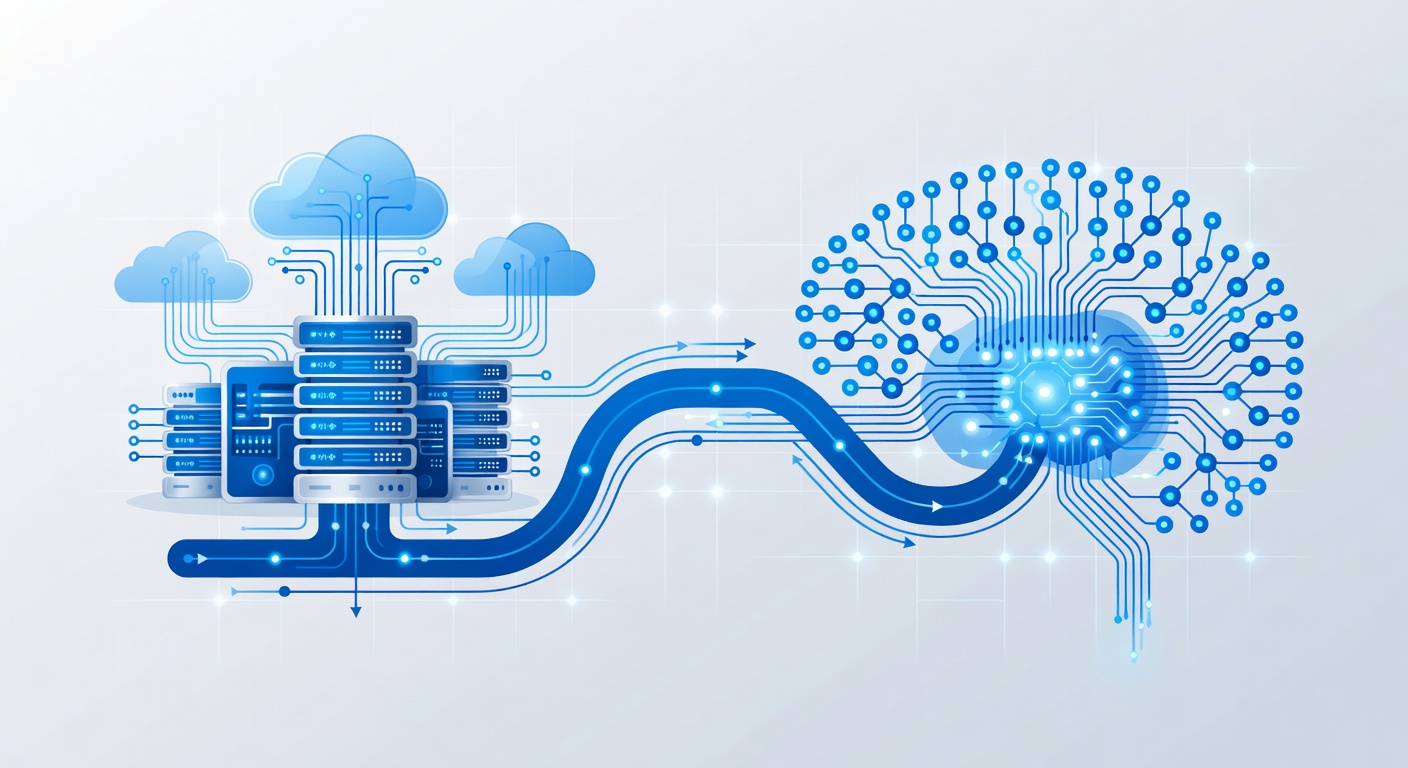
From Chaos to Control: How AI Assistants Are Revolutionizing Digital Organization
The Digital Clutter Crisis We All Face
Let's be honest: managing your digital life today is exhausting. You've got emails scattered across multiple inboxes, files buried in cloud storage, calendar events mixed with notifications, and passwords stored in at least three different places. Most of us spend more time searching for information we've already saved than actually doing meaningful work.
Traditional productivity apps put the burden on you. They require constant manual organization, tagging, and maintenance. You have to remember where you put that important document, which folder it's in, and what you named it. It's reactive by nature—tools respond only when you ask them to.
But what if your digital assistant could work differently?
The Proactive AI Paradigm Shift
The latest generation of AI assistants is moving beyond reactive task automation into proactive territory. Instead of waiting for commands, these systems learn your patterns, anticipate your needs, and organize your digital life before you realize it needs organizing.
This represents a fundamental shift in how we think about digital productivity:
From Pull to Push: Rather than you hunting for information, the AI surfaces what you need, when you need it.
From Manual to Automated: Intelligent categorization, deduplication, and organization happen automatically in the background.
From Siloed to Connected: These assistants work across your entire digital ecosystem—email, documents, calendars, messaging apps, and more—creating a unified view of your information.
What This Means for Developers
If you're building on platforms like NameOcean's cloud infrastructure or working with AI-assisted development tools, this shift has real implications:
API Integration is Critical: Modern AI assistants need robust APIs to access and organize data across platforms. Whether you're building SaaS applications or leveraging cloud hosting, ensure your platform exposes clean, secure APIs that allow third-party assistants to operate safely.
Privacy and Permissions Matter More: As AI systems become more proactive, users will demand granular control over what data these assistants can access and modify. Build with privacy-first architecture from day one. If you're using NameOcean's cloud platform, leverage its security features to ensure your user data remains protected.
Machine Learning Models Need Quality Data: Proactive AI learns from patterns. If you're developing applications that feed into these ecosystems, ensure your data is clean, well-structured, and timestamped accurately. This is where "vibe coding"—writing code that anticipates user patterns rather than just responding to requests—becomes essential.
Real-World Applications Worth Watching
Email and Communication: AI assistants are grouping related emails, identifying important conversations, and prioritizing inbox management without manual rules.
Document Management: Automatically tagging documents based on content, creating relationships between files, and surfacing relevant documents when you start new projects.
Calendar Intelligence: Suggesting meeting times based on availability patterns, blocking focus time, and organizing agenda items by priority and context.
Cross-Platform Workflows: Connecting events across your tools—when you create a calendar event, the assistant could automatically create a project folder, send invitations, and schedule reminders.
The Infrastructure Challenge
Here's what often gets overlooked: building truly proactive AI requires serious infrastructure. You need:
- Real-time data processing: Your system must monitor changes across platforms constantly
- Scalable cloud architecture: Handling millions of assistant instances requires robust hosting
- Fast query execution: Anticipatory features only work if they're genuinely fast
- Reliable data synchronization: If your assistant falls out of sync with reality, trust evaporates
This is where platforms like NameOcean's AI-powered Vibe Hosting become valuable. Building these systems on infrastructure designed for AI workloads means you get automatic scaling, optimized performance, and built-in monitoring for complex operations.
The Vibe of the Future
What's interesting about this evolution is that it mirrors how great developers work. Experienced coders don't just respond to requirements—they anticipate problems, organize code patterns, and create systems that work smoothly without constant intervention.
The best AI assistants will operate the same way: understanding context, learning your preferences, and making intelligent decisions autonomously. This is "vibe coding" applied to user experience—building systems that just feel right because they understand what you're trying to accomplish.
Where We Go From Here
As these proactive AI assistants mature, they'll become integral to how we work. The competitive advantage will go to platforms that:
- Integrate seamlessly with existing tools
- Respect user privacy through transparent data handling
- Scale efficiently without breaking the bank
- Continuously learn and improve from user interactions
- Remain transparent about their operations and limitations
For developers and startups, now is the time to think about how your applications integrate into this emerging ecosystem. Whether you're hosting your application on NameOcean's infrastructure or building AI-assisted tools of your own, the future rewards those who think beyond reactive automation.
Your digital life doesn't have to be chaotic. The tools to organize it are coming. The question is: will your application be part of the solution?