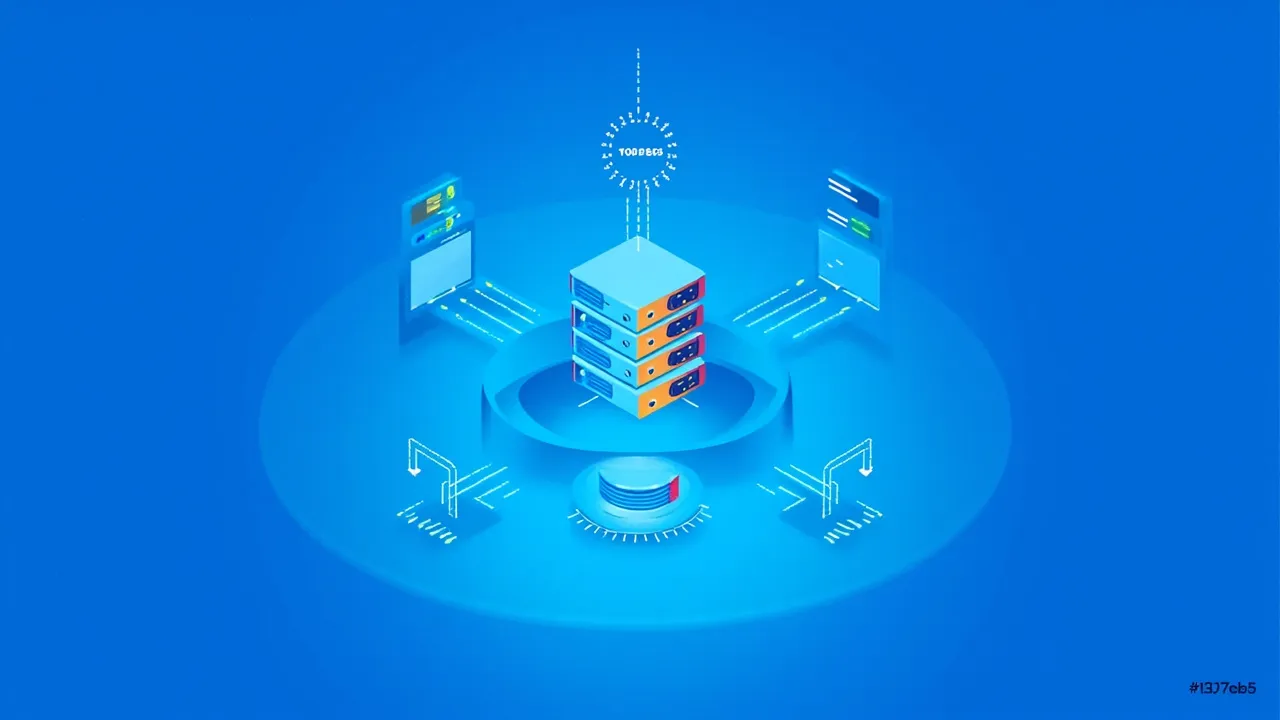
Beyond the Hype: Why Figma is Playing it Smart with MCP
The Protocol Dilemma: Why Figma Isn't Betting Everything on MCP
In the rapidly evolving landscape of "vibe coding" and AI-assisted development, we are seeing a massive shift in how software communicates with Large Language Models (LLMs). We are moving away from humans typing commands into a terminal and toward AI agents that can navigate entire design files, codebases, and cloud infrastructures autonomously.
At the center of this revolution is the Model Context Protocol (MCP).
What is MCP?
For those not yet deep in the weeds of agentic workflows, MCP is an open standard designed to help AI models connect to external data sources and tools seamlessly. Imagine an AI agent that doesn't just "know" how to code, but can actually "see" your Figma design files, "read" your database schema, and "execute" deployments on your cloud host—all through a standardized communication layer.
It is a massive leap forward for productivity. But, as Figma co-founder Dylan Field recently pointed out, MCP is not a perfect protocol.
The Privacy vs. Utility Tug-of-War
Figma has announced plans to support as many standards as possible, including MCP, but they are doing so with a crucial caveat: they won't expose all of their data.
This highlights the fundamental tension in modern software architecture: Connectivity vs. Control.
- The Connectivity Side: If Figma exposes every single layer, property, and design token via MCP, an AI agent could theoretically reconstruct an entire complex design system in seconds. This makes the AI incredibly powerful.
- The Control Side: Every time you open a "pipe" between your proprietary design data and an LLM, you increase your attack surface. There are concerns about data leakage, intellectual property security, and the sheer computational overhead of streaming massive amounts of design metadata.
Why This Matters for Developers and Startups
If you are building startups or managing cloud-native applications, the "Figma approach" is a blueprint for how you should handle AI integration:
- Standardize, Don't Overexpose: Use protocols like MCP to allow AI to interact with your services, but implement strict "views" or "schemas." Don't give an AI agent access to your entire production database when it only needs to read a specific table.
- The Rise of "Context Engineering": We are moving into an era where how you structure your data for an AI to consume is just as important as the code itself. Designing "AI-friendly" APIs that follow protocols like MCP will be a core skill for the next generation of engineers.
- Hybrid Infrastructure: As we move toward more autonomous development, your hosting environment needs to be more than just a place to run code; it needs to be a secure, structured environment where AI agents can operate without causing chaos.
The Bottom Line
Dylan Field’s cautious optimism regarding MCP is a sign of maturity in the AI industry. We are moving past the "wow" phase and into the "how do we make this secure and scalable" phase.
At NameOcean, we believe that as AI agents begin to manage more of your digital infrastructure—from DNS configurations to cloud scaling—the protocols they use will become the backbone of the internet. The winners won't be the ones who expose everything, but the ones who provide the most useful context with the least amount of risk.
Read in other languages: