Beyond the Code: Why AI-Assisted Development Isn't the Finish Line
Beyond the Code: Why AI-Assisted Development Isn't the Finish Line
We're living through a fascinating moment in tech. AI coding assistants can write production-ready code faster than most developers can review it. Yet somehow, shipping software doesn't feel any faster. Why?
The answer is deceptively simple: coding and software development are not the same thing.
The Code Generation Paradox
There's something almost magical watching an AI write a complete feature in seconds. A task that used to consume an afternoon arrives as a functional draft before your coffee gets cold. But here's where the magic fades: your team then spends the next three days debating whether it was the right change to make.
This isn't a failure of AI. It's a glimpse at what was always true—we just couldn't see it clearly before. When code generation was the bottleneck, we mistook it for the entire problem.
At NameOcean, we've seen this pattern play out with developers using AI assistance across their infrastructure. The velocity spike is real. But velocity isn't the same as progress.
What Software Development Actually Is
Let's be precise about what we're talking about.
Coding is the mechanical act of translating a specification into executable instructions. It's important, it requires skill, and AI is genuinely transforming it.
Software development is something bigger. It's the process of turning ambiguous intent into a reliable, deployable system that other humans can trust and maintain.
Think about a feature request like "add team invitations." That's not a specification—it's a starting point in a fog. Before anyone writes a line of code, someone needs to answer:
- Does this mean email invites or link-based invites?
- Can any team member send invitations, or only admins?
- What happens if an invite expires after 30 days and the user tries to click it?
- How does this interact with existing permissions?
- What gets logged for compliance?
These aren't implementation questions. They're the foundation that makes implementation possible. And no AI system removes this step—it just changes who does the thinking.
The Entropy Problem
There's a useful mental model here: software development as entropy reduction.
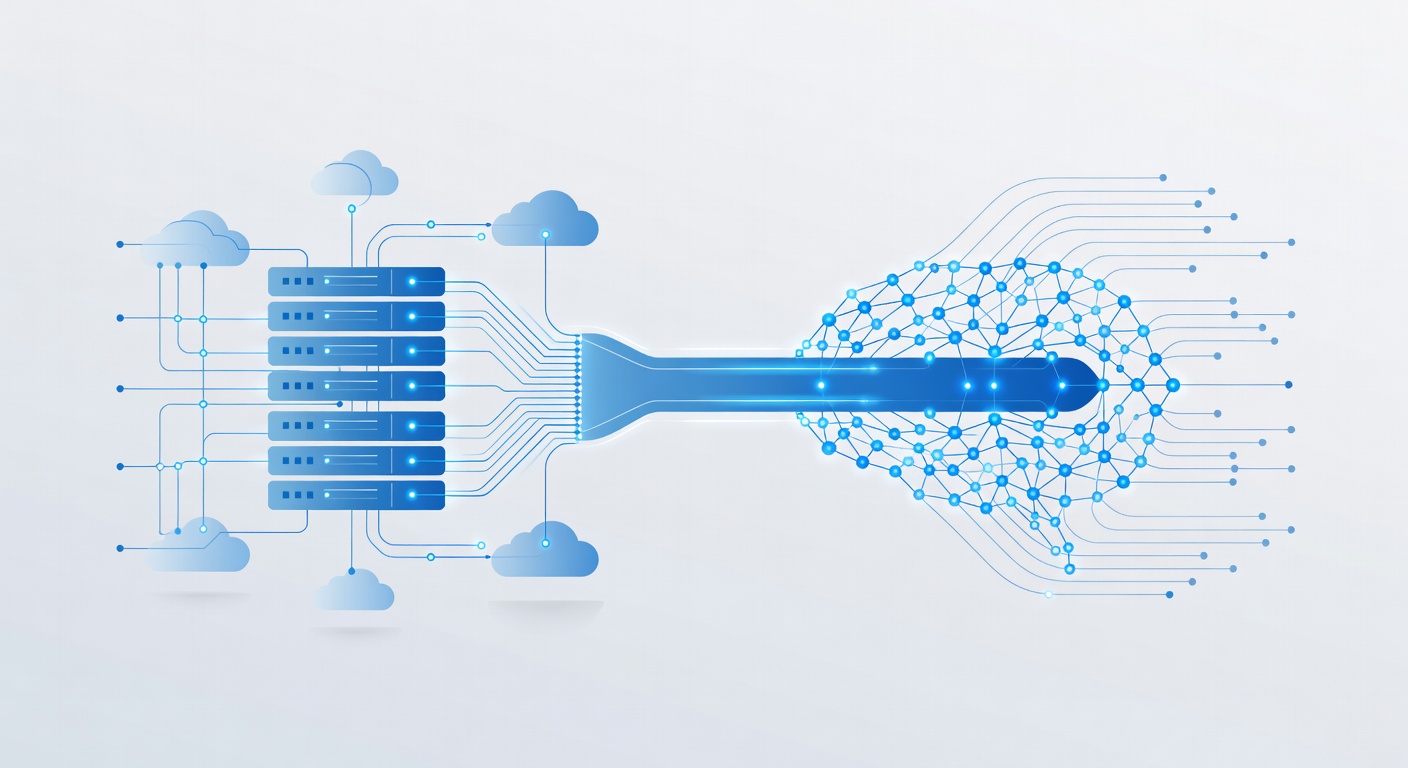
A messy, vague request (high entropy) gets passed through several stages of increasing clarity:
- Product thinking narrows scope and clarifies intent
- Design specifies actual behavior and edge cases
- Implementation turns the design into real code
- Review and deployment verify the change doesn't break things
Each stage reduces confusion until you have something concrete enough to ship and defend.
The dangerous part? Fast coding can actually increase entropy in other places.
An AI might generate a comprehensive test suite that doesn't catch the edge cases that matter, making tests feel thorough while actually confirming the agent's earlier assumptions. A pull request review gets longer, not because of meaningful discussion, but because the agent nitpicks peripheral details without understanding the core tradeoff. A plan looks thorough while leaving the real product decision unmade.
This is the new form of technical debt: output that looks complete but doesn't actually clarify anything.
The Workflow That Matters Now
The successful teams we see aren't treating AI as a replacement for the development process. They're restructuring how work flows through that process.
The playbook looks something like this:
Phase 1: Context and Delegation You articulate the problem clearly enough that an AI agent can begin. This actually forces better thinking upfront—vague briefs produce worse code and waste AI's time.
Phase 2: Iterative Refinement Instead of reviewing finished work, you guide it. "That's heading in the right direction, but consider the case where..." becomes your new workflow. You're mentoring the agent toward the right solution.
Phase 3: Verification as Collaboration The agent proposes; you verify. But crucially, you're not just checking the code—you're confirming the decision. Does this change actually solve the problem we identified in Phase 1?
This requires developers to think differently. You're no longer the person who writes all the code; you're the person who ensures the right code gets written. It's a higher-level skill, and it's harder than it looks.
What This Means for Your Infrastructure
If you're running production systems on cloud infrastructure or relying on DNS and SSL management—the kinds of things NameOcean handles daily—this shift matters more than it might initially seem.
Faster implementation means faster change. Faster change means:
- More frequent DNS updates across your infrastructure
- More SSL certificate configurations and renewals
- More deployments to review and verify
- More potential for configuration drift if the review process gets sloppy
This is where the bottleneck moves. It's no longer "can we write the code?" It's "can we review, understand, and safely deploy the code?"
The teams that succeed aren't the ones who moved fastest. They're the ones who moved intelligently—who used AI velocity to eliminate waste while keeping their verification process rigorous.
The Honest Take
AI coding tools are genuinely transformative. The productivity gains are real. But the software industry's obsession with "solving coding" has distracted us from the fact that coding was never the hardest part.
The hardest part is deciding what to build, designing it soundly, deploying it safely, and owning the consequences. Those parts still require human judgment, and they take time for good reason.
The next generation of development velocity won't come from faster code generation. It'll come from teams that accept this reality, restructure their workflows accordingly, and use AI as a force multiplier for the thinking work—not as a replacement for it.
The code may be solved. Software development is just getting started.
What's your experience been with AI-assisted development? Are you seeing velocity gains or bottlenecks shifting elsewhere? The conversation around this is still evolving, and your perspective matters.