Beyond Copy-Paste: How MCP Servers Are Transforming AI-Assisted Product Development
The AI Collaboration Problem We Didn't Know We Had
Picture this: You're using Claude or ChatGPT to help refine your product backlog. The AI generates brilliant insights, suggests task breakdowns, or identifies gaps in your MVP planning. Then what? You manually copy and paste everything back into your story map tool.
It's friction. It's wasteful. And it's about to become obsolete.
For years, AI tools have been limited to a read-only, conversational relationship with your project data. They could analyze your roadmap, but they couldn't modify it. Enter the Model Context Protocol (MCP)—a framework that's quietly revolutionizing how developers and product teams work alongside AI.
What Makes MCP Different?
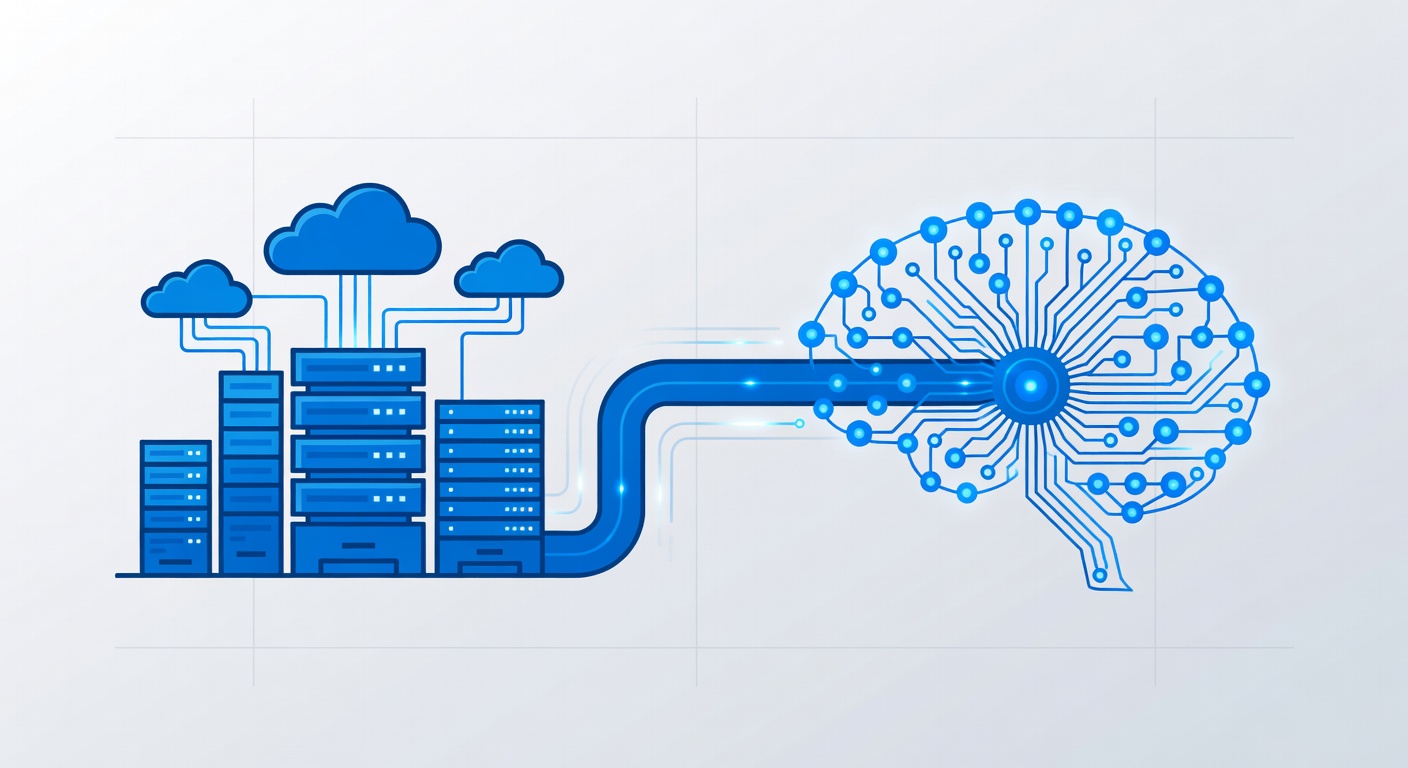
The StoriesOnBoard MCP server isn't just another API integration. It's a direct neural pathway between your AI agent and your product planning workspace. Instead of playing telephone with your data, AI agents can now:
- Read your complete story map hierarchy (activities → tasks → subtasks → releases)
- Write back to it with atomic operations
- Restructure your backlog intelligently without breaking dependencies
- Orchestrate multi-step changes in a single coordinated call
Think of it as the difference between having an intelligent assistant who takes notes about your project versus one who has actual edit access to your project documents.
The Tools That Matter
StoriesOnBoard's MCP implementation includes seven specialized tools that fall into three categories:
Discovery & Intelligence:
The ListStoryMaps and GetStoryMapCards tools let agents understand your entire workspace structure. Then GetStoryMapCardDetails and GetStoryMapData provide the rich context needed for smart decision-making—collaborator permissions, priority frameworks (MoSCoW, Kano, etc.), persona definitions, and release schedules.
Observation & Analysis:
GetStoryMapReleaseDetails gives agents a real-time dashboard view of release health, including subtask statistics and integration metadata from connected tools like Jira or Azure DevOps. This is where the "context gap" between developers and planners actually gets measured.
Creation & Transformation:
This is where the magic happens. CreateStoryMapCard and UpdateStoryMapCard let agents propose new work items or refine existing ones. MoveStoryMapCard handles the complex structural work—reordering, reparenting tasks under different activities, and scheduling subtasks across releases. CreateStoryMapRelease and UpdateStoryMapRelease enable strategic planning at the release level.
Real-World Wins: Where MCP Shines
Eliminating the Manual Grooming Bottleneck: Instead of your product manager manually breaking down user stories, an AI agent can read your high-level epic, analyze your team's velocity patterns, and automatically generate task hierarchies with appropriate estimates and assignees.
MVP Planning Gets Smarter: MCP agents can perform real-time "slice" analysis—identifying which combination of features delivers maximum value with minimum dependencies. The agent reads your entire backlog, evaluates release constraints, and restructures your sprint plan accordingly.
Catching the Gaps Before They Become Problems: Gap analysis becomes automatic. An AI agent can scan your story map, identify missing edge cases, incomplete acceptance criteria, or orphaned subtasks, and either flag them or auto-create cards for investigation.
The Developer Context Problem Gets Solved: When a developer clones the repo and opens their IDE, an MCP-connected agent can automatically pull the relevant tasks from StoriesOnBoard, sync them with their local context (via Claude Desktop or Cursor), and continuously update their local view as priorities shift.
The Architectural Elegance
What makes this different from ad-hoc API calls is the standardization baked into MCP. Every read operation returns zero-based position indices. Every write operation uses the same position parameter system. This means AI agents can reason about positioning with precision—inserting tasks at the exact right spot in your hierarchy without accidental overwrites or race conditions.
It's boring infrastructure that enables extraordinary outcomes.
Getting Started: The Path to AI-Native Planning
If you're running Cursor, Claude Desktop, or building custom agents, you can request access to StoriesOnBoard's MCP server through their support channels. The connection URL is straightforward: https://api.storiesonboard.com/mcp
The setup process is designed to be developer-friendly. You'll connect your AI agent, grant appropriate permissions (Admin/Editor/Viewer roles are respected), and suddenly your agent has structured, safe access to your product workspace.
The Bigger Picture
MCP servers represent a fundamental shift in how AI tools integrate with enterprise software. They're moving beyond "helpful chatbots" toward "collaborative agents with actual agency." StoriesOnBoard's implementation shows what this looks like in practice—not replacing human judgment, but amplifying it by eliminating tedious coordination work.
For startups especially, this means your founding team can finally have an AI agent that understands your roadmap as well as your engineers do. That agent can propose backlog refinements, catch inconsistencies, and keep sprint planning from becoming a chaotic email thread.
The copy-paste era of AI collaboration is ending. What comes next is messier, more powerful, and infinitely more useful.
Want to explore AI-native development workflows? NameOcean's Vibe Hosting platform includes AI-assisted development tools that work best when your project planning is equally intelligent. Consider how integrated AI collaboration could transform not just your planning, but your entire development pipeline.