Athena Brings Order to the Chaos of Multi-Agent AI Development
If you've been experimenting with AI coding agents lately, you've probably noticed something frustrating: managing multiple AI systems across different terminals is a mess. You have Codex running in one window, Claude in another, and somehow you're supposed to keep track of which agent knows what about your project. It's like herding cats while debugging production code.
That's exactly the problem Athena aims to solve.
What Is Athena?
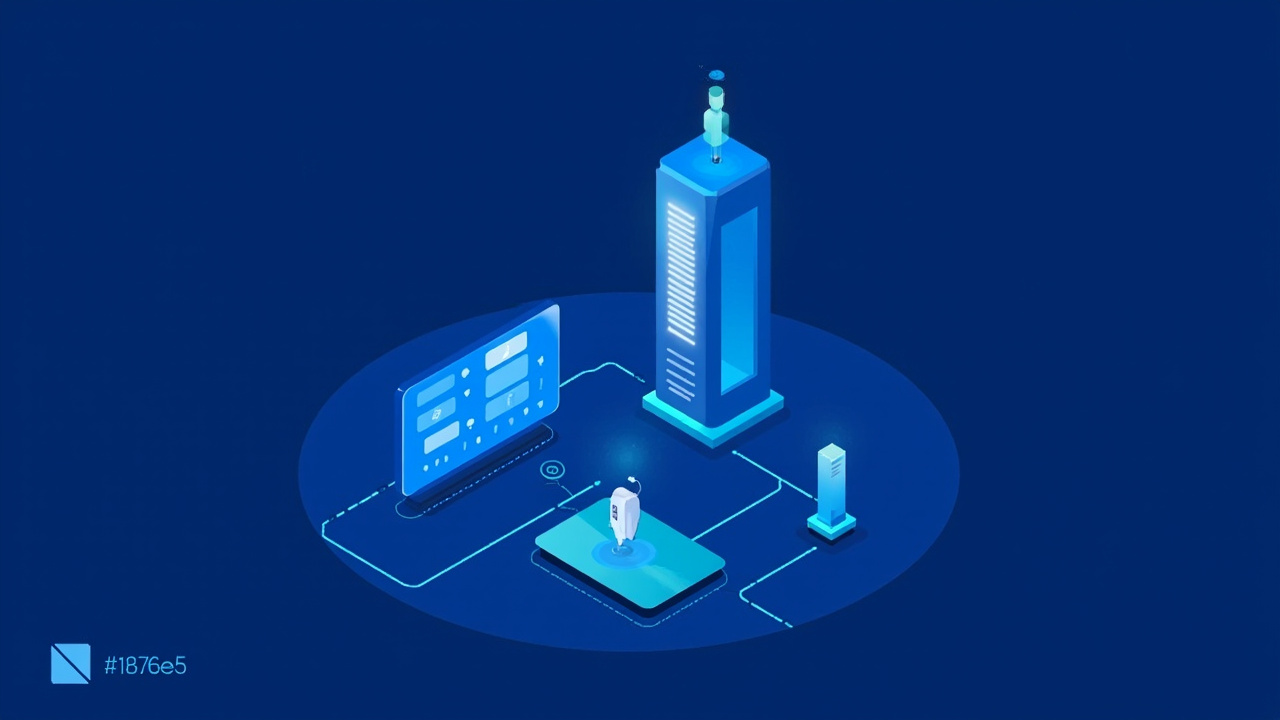
Athena is a desktop control surface built with Electron, React, and FastAPI that gives you a unified dashboard for your AI coding agents. Think of it as mission control for your development workflow. Instead of jumping between terminal windows, you get shared project context that persists across all your AI agents.
The application embeds native PTY terminals directly, so you're not sacrificing terminal functionality for convenience. It currently supports Codex, OpenCode, Claude, and Hermes, with Hermes handling the memory integration side of things.
Why This Matters for Your Development Workflow
Here's the real value proposition: context switching kills productivity. When you're working with multiple AI agents, you're constantly re-explaining your codebase, your architecture decisions, and your current debugging state. Athena's shared project context means your agents actually know what you're working on without you repeating yourself across every interaction.
For startups and development teams, this could mean faster iteration cycles. Instead of manually coordinating between different AI assistants, you're working with a synchronized team that shares memory of your project.
Technical Architecture Worth Noting
The tech stack is worth examining. Electron and React handle the cross-platform desktop experience, while FastAPI powers the backend services. The MCP (Model Context Protocol) bridge enables cross-platform workspace control, which is crucial for teams working across different operating systems.
The embedded PTY terminals mean you get full terminal capabilities without leaving the application. Combined with native session discovery, you're not losing any of the power you'd have with standalone terminals.
Getting Started
If you're interested in trying Athena, head over to the GitHub repository and check the setup instructions. The project is actively being developed, so expect rapid improvements as more developers contribute.
For our audience at NameOcean, this represents another step toward more sophisticated AI-assisted development workflows. Whether you're vibe coding your startup's MVP or managing complex multi-agent development pipelines, tools like Athena are making the experience more coherent and productive.
Have you tried using multiple AI coding agents simultaneously? What challenges have you run into? We'd love to hear about your experience in the comments.