Why Streaming Services Are Betting Big on Infrastructure—And What Developers Should Know
The Hidden Infrastructure Race Behind Your Favorite Streaming Service
When you hit play on your favorite show, you're not just accessing content—you're benefiting from years of infrastructure investment, careful server placement, and strategic hosting decisions that happen behind the scenes. The streaming wars aren't won on content alone; they're won through smart technical choices.
The Real Cost of Streaming Reliability
Streaming services face a paradox: users expect flawless playback everywhere, but delivering video content globally is genuinely expensive. Every buffering moment, every playback failure, every region with degraded service quality represents both a technical failure and a business risk.
This is where infrastructure decisions become make-or-break choices. Companies are increasingly betting on:
- Regional content delivery networks to minimize latency
- Smart DNS routing that directs users to optimal servers based on geography and current load
- Redundant cloud infrastructure across multiple data centers
- Edge computing solutions that process content closer to end users
For developers and DevOps engineers, this means understanding that the platform you're building on matters. A CDN provider with poor edge presence in certain regions will directly impact your user experience metrics.
Why DNS and SSL Matter More Than Ever
Here's something often overlooked: a great video codec means nothing if your DNS queries are slow or your SSL handshake takes 500ms longer than competitors.
Streaming services are increasingly:
- Investing in custom DNS solutions with global redundancy
- Implementing HTTP/2 and HTTP/3 for faster content delivery
- Using SSL/TLS optimization to reduce connection overhead
- Choosing hosting providers with proven low-latency performance
At NameOcean, we see streaming companies optimizing their DNS configurations with precision-level TTLs, geolocation-based routing, and failover mechanisms that would have been considered overkill five years ago.
The Cloud Infrastructure Gamble
Streaming platforms must choose between:
Multi-cloud strategies: Spreading risk across AWS, Google Cloud, and Azure while managing complexity Dedicated private infrastructure: Owning hardware for predictability but losing flexibility Hybrid approaches: Combining owned infrastructure with cloud bursting for peak demand
Each choice impacts costs, performance, and ability to scale during major events (think: premiere night for a highly anticipated series).
What This Means for Your Next Project
Whether you're building a streaming service, video platform, or any content-heavy application, these lessons apply:
- Don't skimp on DNS: Invest in intelligent DNS routing and multiple nameserver redundancy
- Choose your hosting wisely: A standard shared hosting plan won't cut it—evaluate CDN performance in your target markets
- Plan for scale: Test your infrastructure under peak load conditions before you need it
- Monitor obsessively: Track latency, packet loss, and SSL handshake times across regions
- Optimize SSL: Use modern protocols, implement certificate pinning where appropriate, and minimize handshake overhead
The Future: AI-Assisted Infrastructure Optimization
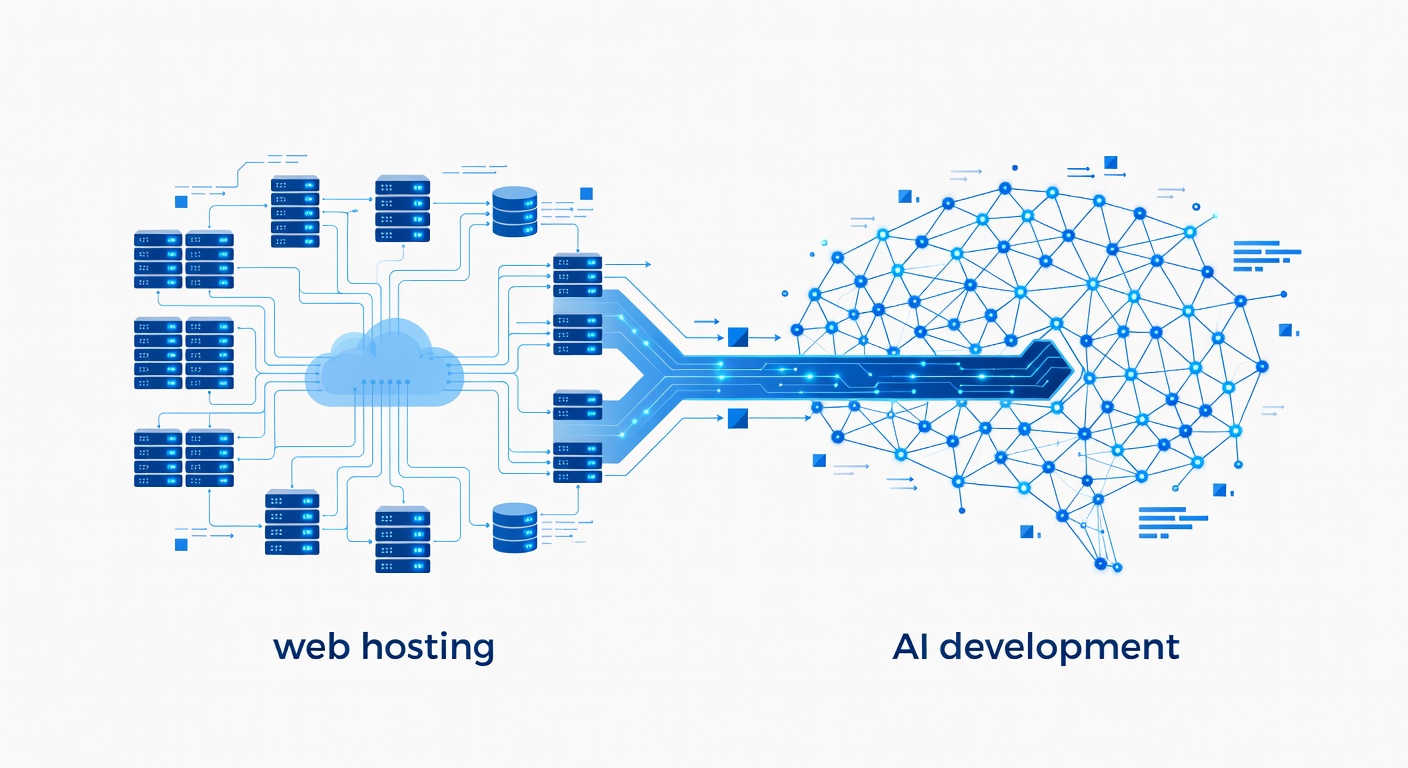
We're entering an interesting phase where machine learning helps optimize streaming infrastructure automatically. At NameOcean, our Vibe Hosting with AI-powered optimization helps platforms adapt their routing, failover, and resource allocation based on real-time performance data.
The streaming services winning today aren't just buying better hardware—they're using data and AI to make smarter decisions about where to route traffic, when to cache content, and how to allocate computing resources.
The Takeaway
The streaming gamble isn't about betting on content hits anymore. It's about betting on infrastructure that can deliver those hits reliably to millions of simultaneous users across the globe. For developers, this is a reminder that technical architecture decisions are business decisions, and choosing the right hosting provider, DNS service, and cloud infrastructure isn't just a technical detail—it's competitive advantage.
Whether you're building the next streaming giant or optimizing an existing platform, remember: your infrastructure is your promise to users. Make it a good one.