Why Streaming Giants Are Racing to Copy TikTok's Algorithm—And What It Means for Your Content Strategy
The Great Streaming Pivot: From Passive Watching to Active Discovery
Remember when streaming was simple? You'd open an app, browse for 20 minutes, and eventually pick something to watch. Those days are gone.
Prime Video's recent rollout of a TikTok-style clips feed isn't just a copycat move—it's a strategic admission that the traditional streaming interface is broken. And they're not alone. Netflix's embracing of faster content discovery, Disney+'s experimentation with short-form feeds, and now Amazon's aggressive entry into algorithmic clips curation signals a fundamental shift in how entertainment companies think about engagement.
The irony? These platforms are essentially building social media networks inside their existing apps. They're not trying to replace the core streaming experience—they're wrapping it in a discovery engine that works.
Why Short-Form Is Eating Long-Form's Lunch
Let's be honest: attention spans have fragmented. A viewer might not commit to a 10-episode series, but they'll absolutely watch a 60-second clip of that series' best moments. And here's the genius part—that clip becomes a gateway. It creates curiosity. It drives eventual full-episode views.
This is pure behavioral psychology meets data science. TikTok cracked the code years ago: algorithmic feeds that prioritize engagement velocity over quality metrics drive user retention like nothing else. Netflix and company are now weaponizing that same approach.
For streaming platforms, the math is simple:
- More time in app = higher engagement metrics
- Algorithmic discovery = lower customer acquisition costs
- Clips as conversion funnels = improved long-form watch rates
It's a three-play combo that traditional subscription models couldn't ignore.
What This Means for Content Creators and Platform Builders
If you're building a product that relies on user-generated content or content discovery, this trend should be blinking on your radar. The message is clear: algorithmic feeds drive engagement, and engagement drives revenue.
Consider these implications:
For Content Creators: Your clips are now as valuable as your full episodes. The creators who master the art of the teaser—producing compelling short-form content that drives curiosity—will own the algorithm.
For Platform Builders: Passive browsing is dead. Your users expect intelligent recommendations, not endless scrolling through catalogs. If your discovery mechanism isn't AI-powered or algorithm-driven, you're already behind.
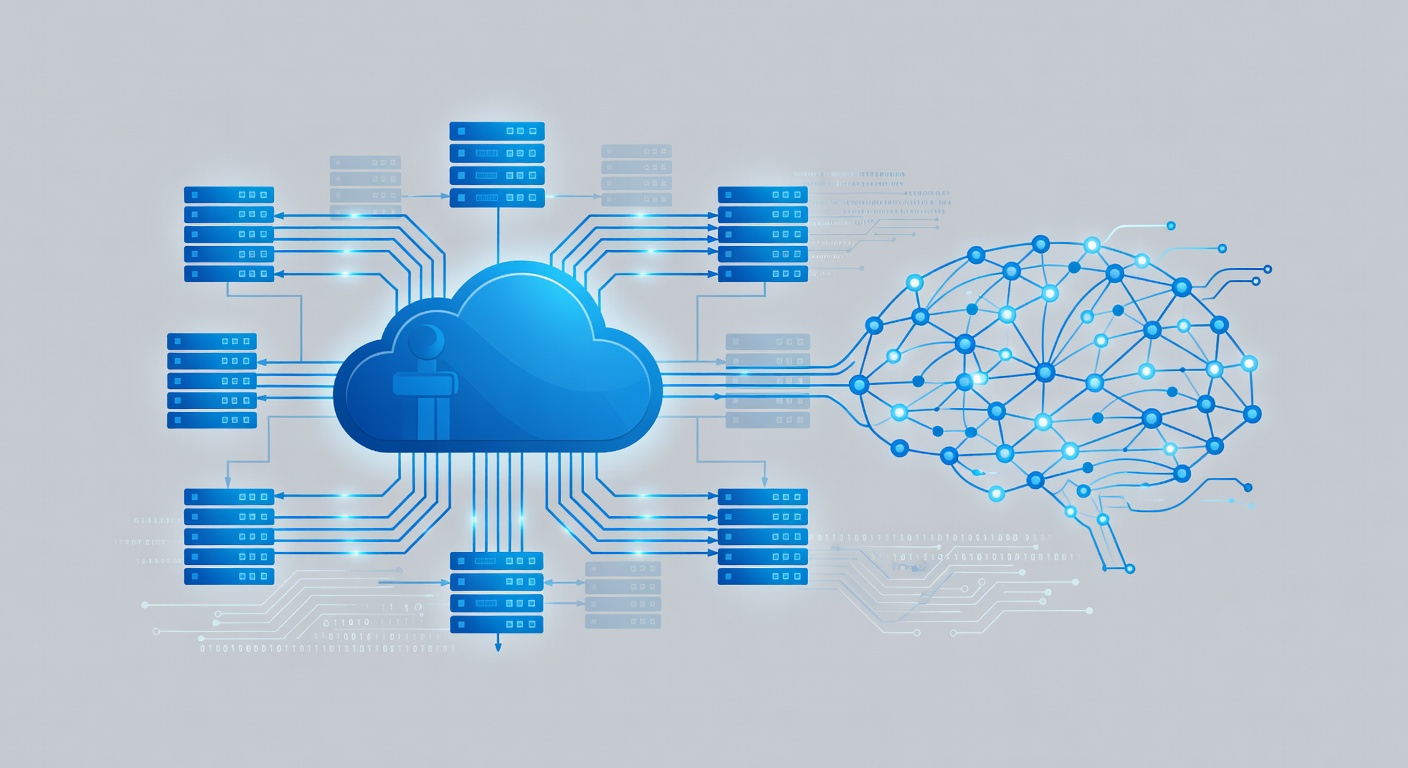
For DevOps and Infrastructure Teams: These feeds require serious backend horsepower. Real-time algorithmic recommendations, personalized content queuing, and instant clip serving demands robust CDN infrastructure, caching strategies, and database optimization. This is where services like cloud hosting providers with intelligent resource allocation become critical.
The Technical Architecture Nobody's Talking About
Building a clips feed at scale is non-trivial. We're talking:
- Real-time ranking engines that process millions of user interactions per second
- Content segmentation pipelines that automatically clip longer content into consumable pieces
- Personalization algorithms that learn user preferences without creepy over-optimization
- Distributed video serving that ensures clips load in milliseconds across global audiences
This is computationally expensive. It's why only the biggest platforms are attempting it. The infrastructure costs alone would bankrupt a smaller competitor trying to build similar functionality.
The Bigger Picture: Discovery Is the New Battleground
We're witnessing a strategic shift away from "build great content and hope people find it" toward "build a discovery machine and feed it great content." It's the difference between being a content platform and being a recommendation engine that happens to host content.
Amazon's move with Prime Video isn't about keeping up with Netflix—it's about recognizing that retention is now owned by algorithms, not by content quality alone (though that still matters).
The platforms that win in the next era won't be the ones with the best shows. They'll be the ones with the smartest recommendation engines and the most engaging discovery experiences.
What Should You Do About It?
If you're a developer building streaming or content-heavy applications:
- Audit your discovery experience. Is it algorithmic, or is it still static browsing?
- Invest in personalization. User retention increasingly depends on how well your platform understands individual preferences.
- Plan for scale. Algorithmic feeds at scale require serious infrastructure. Partner with hosting providers who understand the demands of real-time personalization.
- Think about clips and moments. Consider how your content can be broken into shareable, short-form pieces that drive curiosity.
The streaming wars have entered a new phase. It's not about having the most content anymore—it's about having the smartest way to surface that content to each individual user.
TikTok didn't invent algorithmic discovery, but it perfected the user experience around it. Now the streaming giants are finally catching up. The question is: when will everyone else?