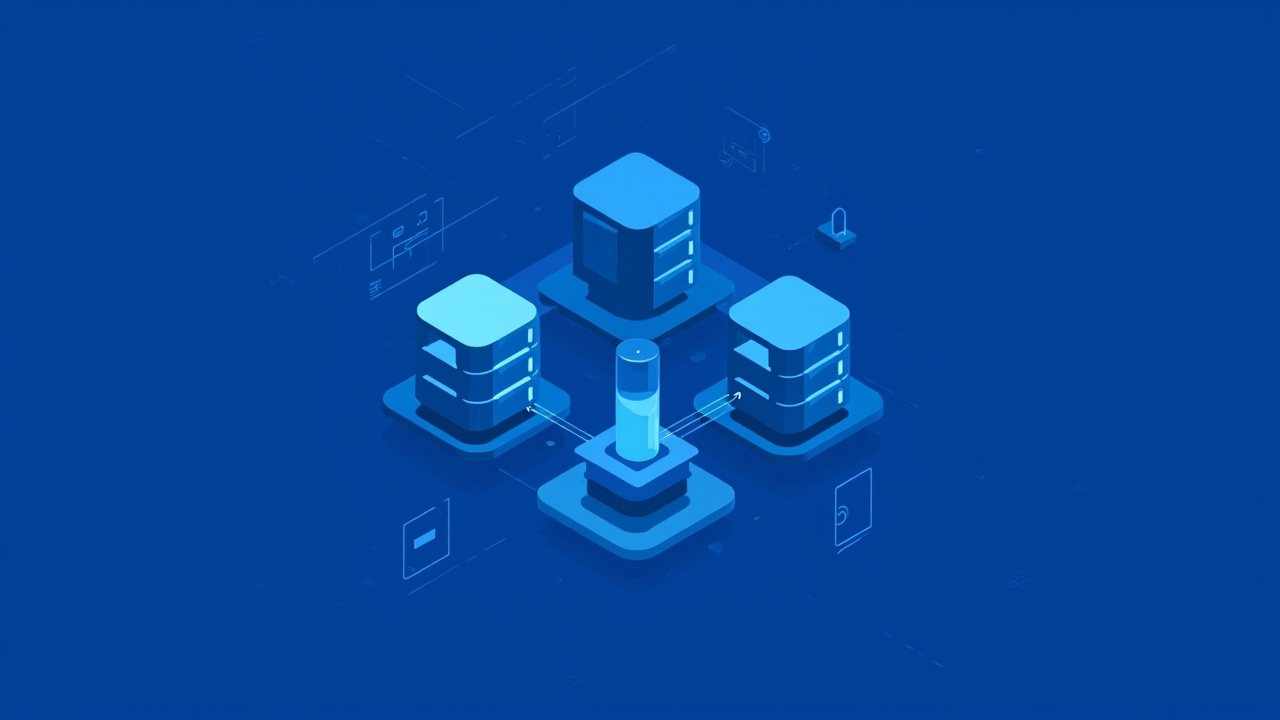
Why Security by Design is Non-Negotiable for AI Agents in 2024
The AI agent revolution is here, and with it comes a fundamental question that too many developers are still ignoring: How do we keep these systems secure?
Let's be honest. Most AI agent frameworks today are built for capability first, security second. We see it constantly—agents being deployed with broad system access, minimal guardrails, and trust models that assume the user always knows what they're doing. That's a recipe for disaster at scale.
The Design Principle That Changes Everything
Security by design flips this script entirely. Instead of bolting on protections after the agent is built, security considerations become the architectural foundation. For AI agents specifically, this means:
1. Principle of Least Privilege Your AI agent should only have access to exactly what it needs—and nothing more. If an agent is managing customer emails, it shouldn't have write access to your database. Period.
2. Action Verification Layers Before any potentially destructive action executes, there should be a verification checkpoint. This isn't about slowing down the agent—it's about ensuring human oversight exists where it matters most.
3. Input Sanitization as Default AI agents are vulnerable to prompt injection and manipulated inputs, just like traditional applications face SQL injection. Security by design means treating every input as potentially hostile.
4. Audit Trails That Actually Work When an AI agent takes an action, you need logs that capture the context, the decision reasoning, and the outcome. Not just "agent executed task" but the full picture.
Why This Matters for Your Infrastructure
Here's where this connects to what we do at NameOcean. When you're deploying AI agents—whether for customer service, data processing, or autonomous decision-making—you're essentially extending your digital infrastructure into territory that traditional security tools weren't designed to protect.
Your domain registrar, your DNS configuration, your SSL certificates—these aren't just technical details. They're the gatekeepers of your digital identity. AI agents that interact with these systems need to understand that same responsibility.
The developers building Batta AI are addressing this gap head-on. By making security a first-class concern in AI agent architecture, they're setting a standard that the rest of the industry needs to follow.
The Bottom Line
We're entering an era where AI agents will manage increasingly sensitive operations. The question isn't whether security matters—it's whether you'll build it in from day one or scramble to add it later.
Spoiler: the second option doesn't end well.
If you're deploying AI agents, especially in production environments, start with the security model. Define your threat vectors. Map your attack surfaces. And for the love of your users—don't assume "it won't happen to us."
The agents are coming. Let's make sure they're secure.
What's your take on AI agent security? Are you building with these principles in mind, or is this still an afterthought in your workflow? We'd love to hear how the NameOcean community is approaching this challenge.