When DNS Becomes Your Messenger: Building Feed Readers in Restricted Network Environments
The Network Paradox: When DNS Is Your Only Friend
Picture this: you're working in an environment where HTTP, HTTPS, and most standard protocols are heavily restricted or monitored. Your team needs access to social media feeds and messaging platforms, but conventional approaches are blocked. What do you do?
This is where DNS-based feed readers enter the picture—a clever solution that exploits an often-overlooked truth about network infrastructure: DNS queries frequently bypass the strictest filtering mechanisms. Unlike HTTP traffic, DNS operates at a lower protocol layer and is often permitted to function freely, even in highly restricted environments like corporate networks, government institutions, or regions with stringent internet censorship.
DNS as a Data Transport Layer
Traditional feed readers rely on standard web protocols to fetch and display content. But what if you could repurpose DNS itself—the very system designed to translate domain names into IP addresses—into a legitimate data transport mechanism?
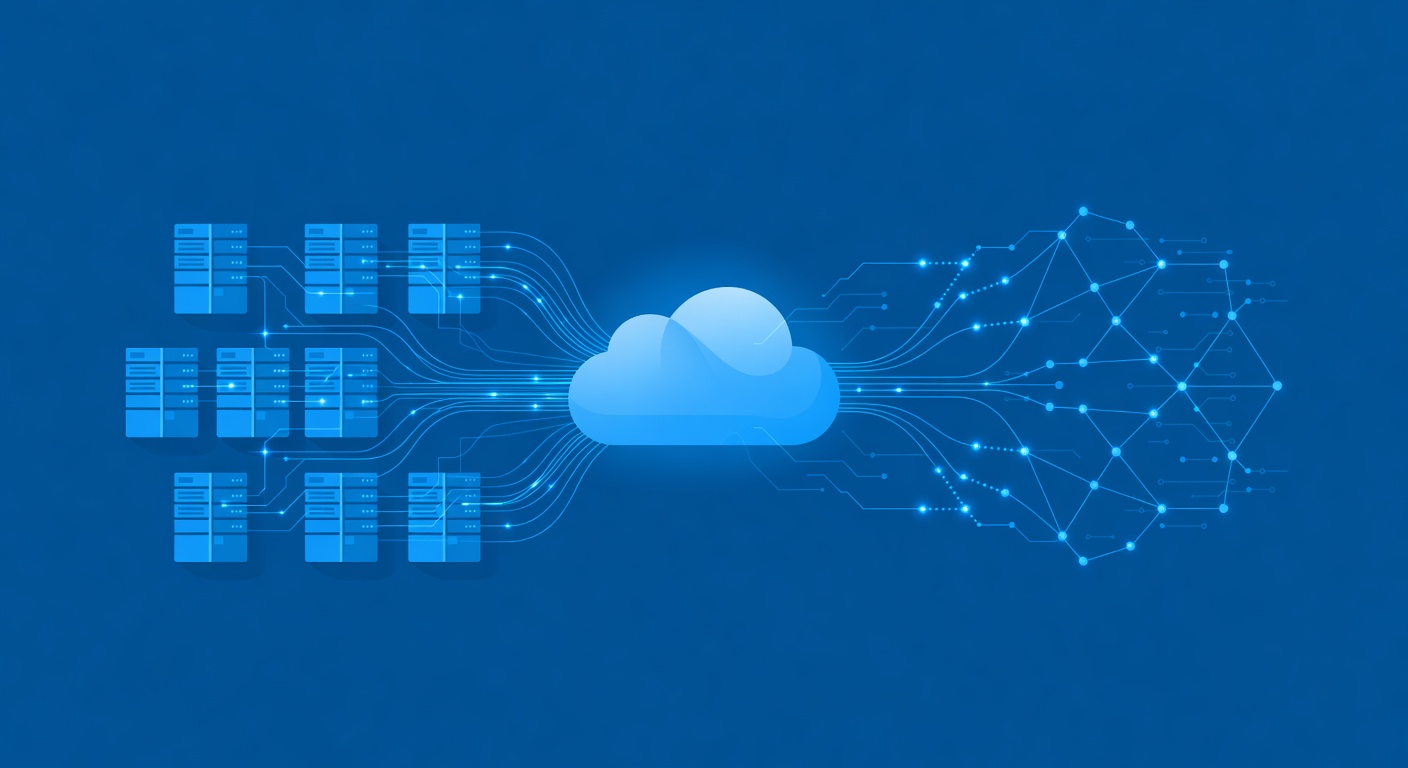
The concept is elegant: instead of requesting example.com, your client makes DNS queries with specially crafted subdomains that encode requests. A backend server interprets these queries, fetches the relevant content from Telegram channels or public X (formerly Twitter) accounts, and returns the data encoded within DNS response packets.
This approach offers several advantages:
- Stealth and Compliance: DNS queries appear to be routine network traffic, making them less suspicious to monitoring systems
- Minimal Bandwidth: DNS packets are small and efficient, ideal for low-bandwidth scenarios
- Universal Availability: DNS is rarely disabled entirely—it's fundamental to how networks function
- Plausible Deniability: The traffic looks like normal domain resolution activity
Why This Matters for Developers
For developers working in restricted environments, this represents more than just a technical hack. It's a reminder that constraints breed innovation. Engineers who understand networking fundamentals deeply enough to exploit DNS for alternative purposes demonstrate profound knowledge of TCP/IP stack architecture.
The implications extend beyond feed readers. This same principle applies to:
- Exfiltrating data from isolated networks
- Establishing command-and-control channels in monitored environments
- Building communication systems that evade deep packet inspection
- Creating resilient infrastructure that functions when traditional protocols fail
The Technical Implementation Challenge
Building a DNS-based feed reader requires mastery of several domains:
DNS Protocol Engineering: You need intimate knowledge of how DNS packets are structured, including creative use of DNS record types (TXT records are particularly flexible) to encode arbitrary data.
API Integration: Fetching real-time data from Telegram and X requires managing authentication, rate limiting, and API deprecation—all while keeping response times within DNS timeout windows.
Caching and Optimization: Since DNS queries expect quick responses, you'll need sophisticated caching strategies and content summarization to fit feed data into DNS response packets.
Error Handling: When your transport layer is fundamentally limited, graceful degradation and error recovery become critical design considerations.
The Ethical and Legal Landscape
Here's where we need to pump the brakes and talk responsibly. While DNS tunneling itself is technically neutral, using it to circumvent security controls, bypass corporate policies, or violate terms of service crosses into ethically murky—and potentially illegal—territory.
The tool might be legitimate for:
- Whistleblowers in repressive regimes accessing uncensored information
- Security researchers testing network defenses
- Organizations operating in regions with legitimate internet restrictions
But it could be problematic for:
- Bypassing corporate security policies
- Accessing accounts or data you're not authorized to use
- Circumventing platform terms of service
Looking Forward: When Does DNS Tunneling Make Sense?
For NameOcean users and hosting professionals, this conversation raises important questions about network architecture and hosting in restricted regions:
- Choosing Your Registrar: If you're operating globally, ensure your DNS provider (like NameOcean) offers reliable, uncensored DNS service that respects net neutrality
- Building Resilient Infrastructure: Design your applications to function even when certain protocols are restricted
- Understanding Your Network: Know what's really happening at the DNS layer of your hosting infrastructure
- Compliance Matters: Always verify that clever technical solutions align with your legal and regulatory obligations
The Broader Lesson
DNS-based feed readers represent something larger: the internet's fundamental resilience. Even when traditional channels are closed, creative engineers find paths forward. This isn't necessarily about evading restrictions—it's about understanding that networks are far more flexible than they appear.
Whether you're building infrastructure in a NameOcean-hosted environment or managing domains across multiple registrars, understanding these lower-level networking concepts makes you a better engineer. It helps you design systems that are fault-tolerant, resilient, and genuinely innovative.
The internet always finds a way. The question is: will your infrastructure be ready for it?
Have you encountered situations where standard protocols were restricted? How did you solve the problem? Share your experiences in the comments below, and let's explore how we can build more resilient systems together.