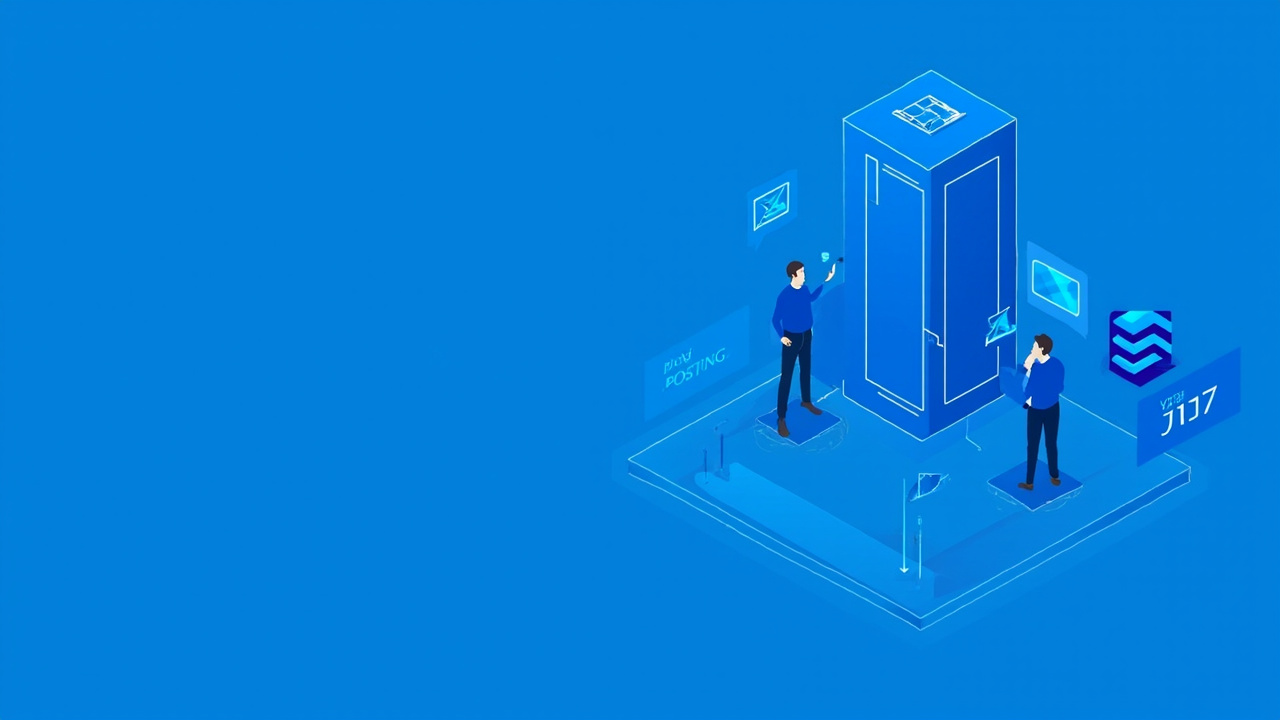
Welcome to the Connectivity Cloud: A New Paradigm for Unifying Your Digital Universe
Let's be honest: managing modern digital infrastructure is complicated. Really complicated.
A few years ago, your typical IT team had a relatively straightforward job. There were on-premise servers, a handful of office locations, and maybe one or two cloud services to worry about. Fast forward to today, and the landscape has transformed beyond recognition. You've got multi-cloud deployments, a scattered workforce logging in from coffee shops and home offices, a dozen different SaaS applications, containerized microservices, and an ever-growing list of security concerns that would make any sysadmin lose sleep.
Sound familiar? You're definitely not alone.
The Fragmentation Problem
Here's what we're hearing from developers, startup founders, and IT leaders these days: they feel like they're constantly playing catch-up. They're juggling multiple tools, platforms, and dashboards just to keep the lights on. Need to deploy a new service? Better make sure it's compatible with your existing infrastructure. Want to adopt a new security feature? Hope you're ready to spend weeks on integration testing.
The root cause? Modern digital environments weren't designed to work together seamlessly. They're a patchwork of solutions that accumulated over years—each one solving a specific problem but creating new integration headaches in the process.
According to recent industry research, over half of IT teams took on responsibility for securing remote and hybrid workers just in the last five years. Nearly as many were tasked with managing and protecting public cloud applications during the same period. And more than half received the challenging assignment of navigating regulatory compliance.
That's a lot of new territory for teams that are already stretched thin.
What Teams Actually Want
When you strip away all the vendor jargon and technical specifications, what are IT professionals really asking for? Based on countless conversations with teams across industries, it comes down to one simple desire: control.
They want a unified platform that can connect everything—clouds, applications, networks, users—without requiring a PhD in integration engineering. They want security that works everywhere, not just in one corner of their infrastructure. They want to spend less time on configuration and more time on actual innovation.
Here's a striking statistic: research shows that 72% of IT and security leaders would find a "universal" secure cloud platform extremely useful. And they're willing to put their money where their mouth is—these professionals indicated they'd invest an average of 16% of their total IT and security budget in such a platform.
That's a clear signal that the industry is ready for something new.
The Rise of Unified Connectivity
So what does this next-generation approach look like? Imagine a connectivity fabric that spans your entire digital environment. Instead of stitching together dozens of point solutions, you have a unified platform that handles networking, security, and performance from a single control plane.
This isn't about replacing everything you already have. It's about creating a layer that works with your existing infrastructure while dramatically reducing complexity. Think of it like the nervous system for your digital organization—connecting everything together and enabling faster, safer communication between components.
The key advantages are compelling:
Streamlined Operations: One dashboard, one set of policies, one place to troubleshoot. No more bouncing between a dozen different consoles.
Universal Security: Consistent protection whether your traffic is flowing between cloud providers, to remote users, or across hybrid environments.
Scalable Architecture: Add new services and locations without the traditional integration headaches.
Future-Proof Design: Built for the modern web with APIs and programmable infrastructure that adapts as your needs evolve.
Why This Matters for Developers and Startups
If you're building software today, you know that infrastructure decisions can make or break your velocity. The tools you choose either accelerate your development cycle or create friction at every turn.
A unified connectivity approach means you spend less time on plumbing and more time on what matters—writing code, shipping features, and growing your product. For startups operating with lean teams, this isn't just convenient; it's essential for survival.
And let's talk about security. In a world where breaches make headlines and trust is currency, having a coherent security posture isn't optional. Fragmented security tools with gaps between them are an attacker's best friend. A unified platform closes those gaps.
The Path Forward
Here's the bottom line: the era of managing digital infrastructure through a collection of disconnected tools is ending. The future belongs to platforms that bring coherence to complexity—letting teams focus on strategic initiatives rather than endless integration work.
Whether you're running a two-person startup or managing enterprise-scale infrastructure, the principle remains the same. Your digital environment should work for you, not against you. The tools exist now to make that a reality.
The question isn't whether to embrace this unified approach—it's how quickly you can modernize your stack to get there.
At NameOcean, we're committed to helping developers and businesses navigate this transition with our AI-powered Vibe Hosting platform. Because the best infrastructure is the kind you don't have to think about.
Read in other languages: