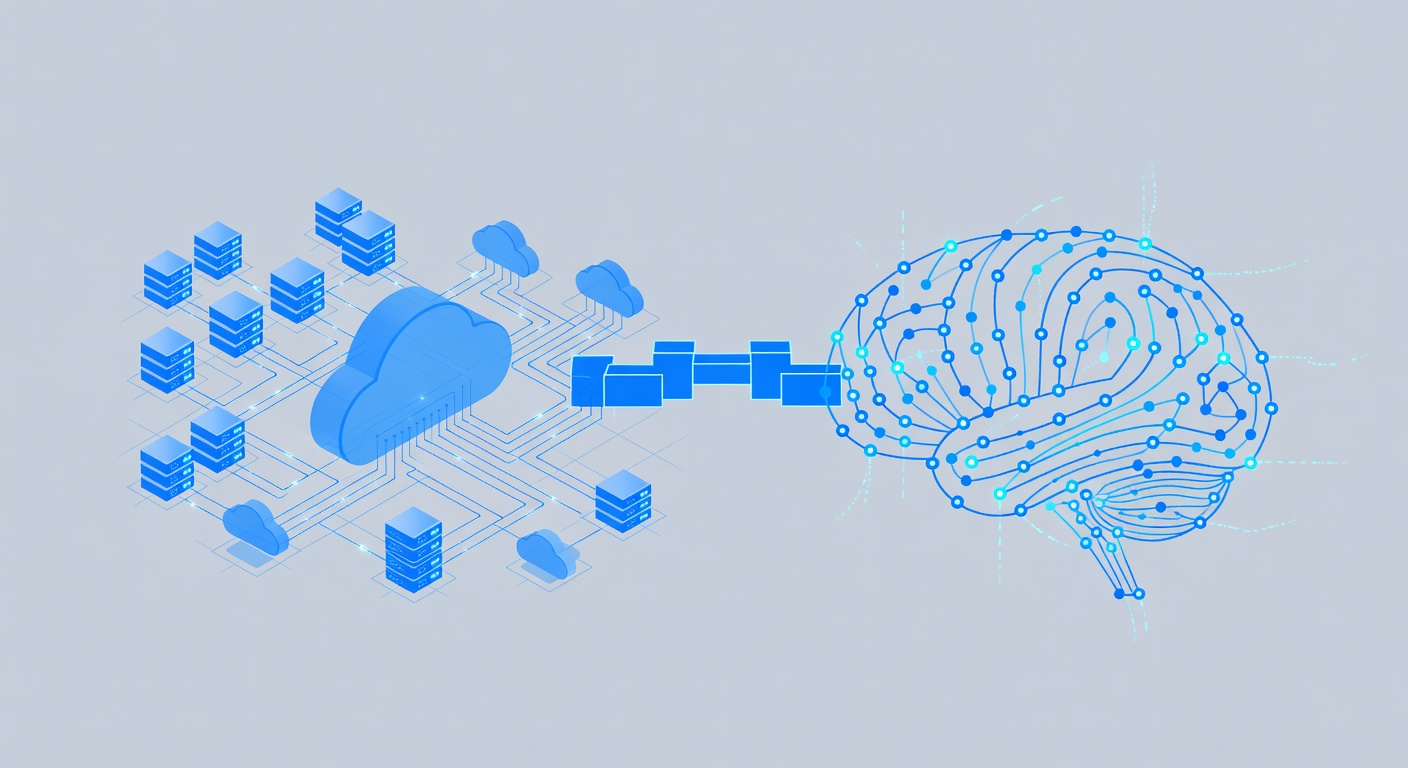
Transform Obsidian Into a Web-First Knowledge Base: Self-Hosted Brilliance Without the RDP Headaches
The Obsidian Problem We Didn't Know We Had
Let's be honest: Obsidian is phenomenal. It's become the gold standard for personal knowledge management, offering a powerful markdown-based system with backlinking, graph visualization, and plugins that'll make any developer swoon. But here's the catch—it's fundamentally a desktop application.
Sure, Obsidian offers cloud sync through Obsidian Sync, and you can access your vault on mobile. But what if you want the full desktop experience accessible from a web browser on any machine? What if you're a security-conscious developer who wants complete control over where your data lives?
Enter traditional solutions: VNC, RDP, TeamViewer. These remote desktop tools work, but they're clunky, laggy, and feel like you're piloting your computer through molasses. They stream your entire desktop to the browser—massive overkill and a performance nightmare.
Ignis: The Web App Revolution for Note-Takers
Ignis flips the script entirely. Instead of remote desktop trickery, it transforms Obsidian into a legitimate web application. Think of it as what Obsidian Web could be if it had all the power of the desktop version—because you're literally running it on your server.
What Makes This Different?
Not Remote Desktop – This is crucial. Ignis doesn't stream your screen. It compiles Obsidian into a web-accessible application that runs natively on your self-hosted infrastructure. You get the real Obsidian experience through your browser, with proper web protocols handling the communication.
True Self-Hosting – Your vault stays in your hands. No subscriptions, no third-party sync services, no wondering where your thoughts are being stored. Deploy it on your own VPS, home server, or cloud instance running on NameOcean's infrastructure.
Performance That Doesn't Suck – Web apps can be snappy when built right. No compression artifacts, no mouse lag, no stuttering. Just pure, responsive note-taking through your browser.
The Technical Magic Underneath
For developers wanting to understand the architecture: Ignis likely leverages Electron's underlying Chromium engine and wraps Obsidian in a way that exposes it through standard web protocols. Instead of rendering the entire desktop, it serves the application UI through HTTP/HTTPS, with your vault accessible through proper APIs.
This means:
- Bandwidth efficiency – You're sending data, not video streams
- Cross-platform compatibility – Works from Windows, Mac, Linux, mobile browsers, tablets
- Modern security – Standard HTTPS, authentication layers, proper session management
- DNS and SSL integration – Pair it with NameOcean's domain services and SSL certificates for a professional, secure setup
Why This Matters for Your Workflow
Imagine this scenario: You're at a coffee shop, at your office, on someone else's laptop, or traveling abroad. You pull up your browser, navigate to your Ignis instance, and boom—your entire Obsidian vault is there. The same keyboard shortcuts, the same plugins (if supported), the same graph view. No sync delays, no version conflicts, no "which version is the latest?"
For developers and knowledge workers, this is a game-changer. Your second brain isn't locked to a single device anymore—it's distributed across your infrastructure and accessible everywhere.
Getting Started: The Self-Hosting Roadmap
Setting up Ignis requires a bit of technical confidence, but if you can deploy a Docker container or manage a VPS, you can handle it:
- Grab a domain – Register one with NameOcean if you haven't already
- Spin up a server – NameOcean's cloud hosting makes this straightforward
- Secure it – Apply an SSL certificate to enable HTTPS (essential for security)
- Deploy Ignis – Follow the GitHub instructions to get it running
- Configure DNS – Point your domain to your server's IP address
- Access from anywhere – Browse to your Ignis instance and start taking notes
The Future of Self-Hosted Knowledge Management
Ignis represents a broader movement: developers reclaiming ownership of their tools. We're tired of SaaS subscriptions, data centers we don't control, and feature bloat. We want speed, autonomy, and simplicity.
This approach opens doors. Want to integrate your notes with your own custom tooling? You can. Need to add authentication layers or API endpoints? Build it. Worried about privacy? Your data never leaves your infrastructure.
Worth the Setup?
If you're someone who:
- Values privacy and data ownership
- Loves Obsidian but wants web accessibility
- Runs your own servers or isn't afraid to learn
- Wants to avoid subscription fees
...then absolutely. The learning curve is real, but the payoff—a knowledge management system that's truly yours—makes it worthwhile.
The self-hosted future isn't coming. For developers like us, it's already here.