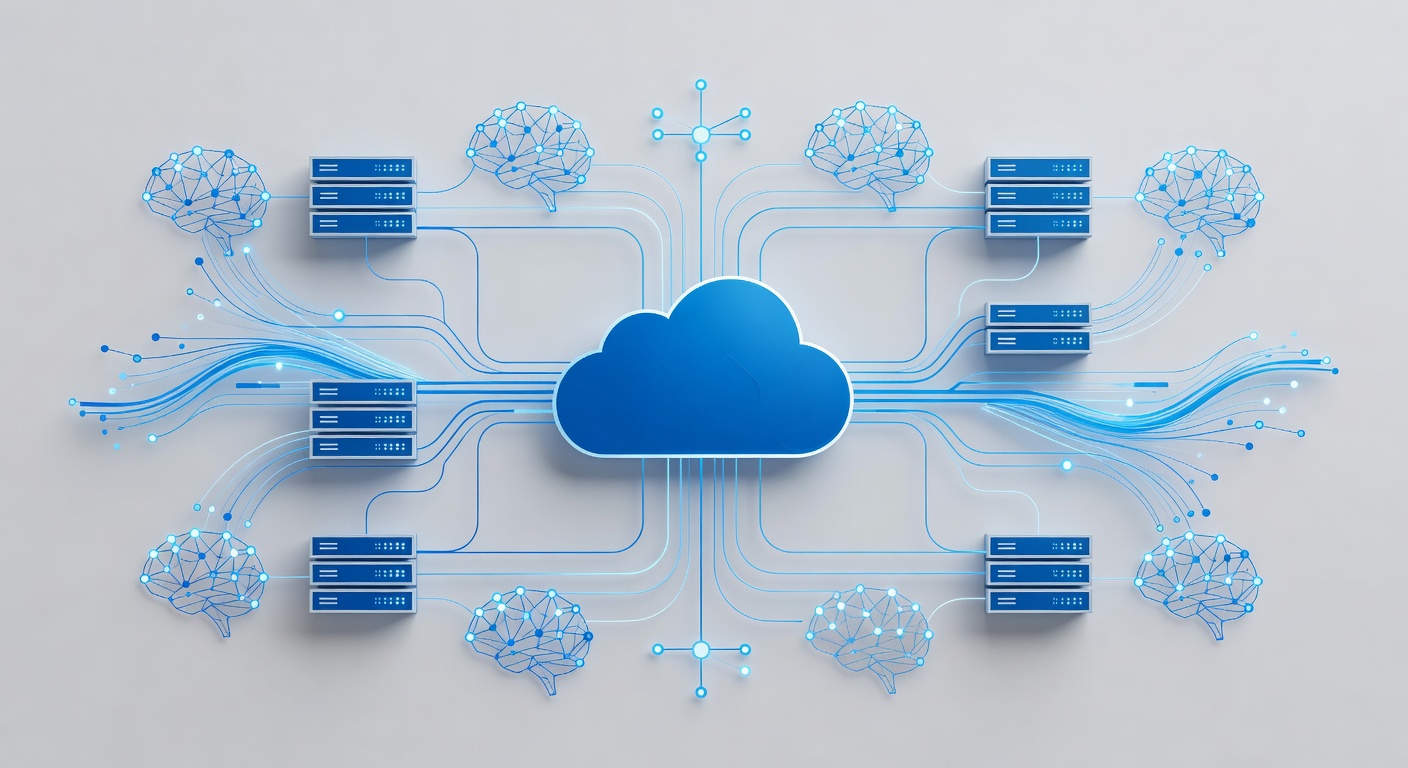
The Visual Revolution: How AI-Powered Development Environments Are Reshaping How We Code
The Visual Revolution: How AI-Powered Development Environments Are Reshaping How We Code
The IDE is Dead. Long Live the Workspace.
For decades, developers have relied on integrated development environments (IDEs) that follow a familiar formula: a code editor, a file tree, maybe some debugging tools. It works. We've optimized around it. But it's also fundamentally unchanged since the 1990s.
Now, a new breed of development platforms is challenging this status quo—and they're not just adding AI as an afterthought. They're building AI-first visual workspaces where artificial intelligence becomes a first-class citizen of the development environment.
Enter projects like Nimbalyst, which represent a fundamental rethinking of how developers should interact with AI-powered coding assistants. Instead of toggling between your IDE and a separate ChatGPT window, imagine a unified space where visual design, code generation, and AI collaboration happen seamlessly.
Why Visual Matters (More Than You Think)
Here's the uncomfortable truth about traditional coding: it's incredibly linear. You read code top-to-bottom, left-to-right. You're constantly context-switching between files, holding mental models of complex systems in your head. Productivity tools help, but they're still fundamentally text-based.
Visual workspaces flip this script. They let you:
- See the entire project architecture at a glance, not as a file tree
- Drag and connect components instead of manually importing and wiring dependencies
- Watch AI suggestions materialize in real-time, with visual feedback rather than text appearing in a sidebar
- Iterate faster by manipulating visual representations instead of debugging code snippets
For complex applications—microservices, component libraries, multi-layered systems—this shift from pure code to visual-plus-code is genuinely liberating.
The AI Integration That Actually Makes Sense
Let's be honest: most AI code integration today feels bolted on. You ask Claude or GPT-4 for help, it generates code, you manually copy-paste it into your editor, you fix the three things it got wrong. That workflow hasn't fundamentally changed since the autocomplete feature.
Modern visual workspaces approach this differently. They're designed for bidirectional collaboration with AI:
- AI understands the visual structure of your project, not just isolated code snippets
- You can provide visual feedback that shapes how the AI generates code
- The AI suggests not just individual functions, but architectural patterns
- Version control and iteration happen visually, making diffs and merges more intuitive
This is closer to pair programming with a really smart AI partner than it is to copying Stack Overflow answers.
What This Means for Your Stack
If you're evaluating development platforms in 2024, you should be asking:
Does my development environment understand both code and design? If your IDE still treats the visual design and the code as completely separate domains, you're missing opportunities for collaboration and optimization.
Can I integrate multiple AI assistants? Nimbalyst-style platforms support multiple AI models (Codex, Claude, and others), recognizing that different tasks benefit from different tools. This flexibility is becoming table stakes.
Is the AI truly collaborative, or just generative? A good visual workspace doesn't just generate code on demand—it maintains context across sessions, learns your patterns, and suggests improvements based on your entire project structure.
The Practical Implications
If you're building startups or managing small development teams, visual AI workspaces reduce friction in several specific ways:
- Onboarding new team members becomes faster when they can see the system architecture visually
- Knowledge transfer improves because complex relationships are visible, not implicit
- Debugging becomes collaborative—you can share visual representations of problems with your AI assistant
- Code review becomes richer when you're reviewing both visual structure and implementation details
For individual developers, the benefits are even more direct: less cognitive load, faster iteration cycles, and the ability to leverage AI without constantly switching contexts.
Where We Go From Here
The visual development workspace trend is still early. Most teams are still running VS Code with some AI plugins. But the trajectory is clear: development environments will become increasingly visual, increasingly AI-integrated, and increasingly collaborative.
The question isn't whether your development workflow will evolve toward visual, AI-first workspaces. It's when you'll make the jump—and whether you'll do it on your own terms or because your competitors already have.
Getting Started Today
If you're curious about exploring this space:
- Try out visual-first platforms that support modern AI models
- Experiment with multi-model AI integration (don't lock yourself into a single assistant)
- Start small—use visual workspaces for greenfield projects before migrating legacy systems
- Pay attention to how different AI models perform in visual contexts; the results often surprise people
The developer experience you've been waiting for is becoming reality. The only question is: are you ready to try it?
The future of coding isn't just smarter AI. It's smarter interfaces that let you collaborate with AI in ways that actually match how humans think visually and structurally about problems.