The UK Is Digitally Preserving Internet Culture Before It Disappears Forever
The UK Is Digitally Preserving Internet Culture Before It Disappears Forever
Remember that hilarious video that went viral in 2019? The one your friend sent you in a group chat? Yeah, good luck finding it now. Most viral content has a shorter lifespan than a fruit fly in a blender, and this cultural amnesia has finally caught the attention of archivists and cultural institutions.
The British Library has launched an ambitious initiative to systematically capture and preserve the UK's contribution to internet culture—particularly those video memes that have defined generations of online humor. This isn't just about saving funny clips; it's about documenting how entire communities communicate, express identity, and connect through shared cultural references.
Why This Matters More Than You Think
The internet has become humanity's largest repository of collective expression, yet it's also one of the most fragile. Platforms die. Services shut down. URLs rot. According to research, approximately 25% of all links in The New York Times articles published between 1998 and 2019 are now broken. If major publications can't preserve their own content, what chance does the average meme have?
The British Library's approach involves working with internet archive organizations and leveraging technologies similar to Wayback Machine, but with a specific focus on UK-origin content. This includes everything from viral TikTok trends that originated with British creators to regional humor that might otherwise be lost to digital obscurity.
The Technical Challenge of Preserving Ephemeral Content
From a technical standpoint, this isn't a simple task. Video memes exist across multiple platforms—Twitter (X), TikTok, Instagram, Reddit, YouTube Shorts—and each has its own format, compression, and access restrictions. Archiving these requires:
- Multi-platform crawling systems that can capture content from APIs and public pages
- Format migration strategies to ensure files remain playable as codecs evolve
- Metadata preservation to maintain context about when, where, and by whom content was created
- Rights management considerations for content that exists in a gray area of fair use
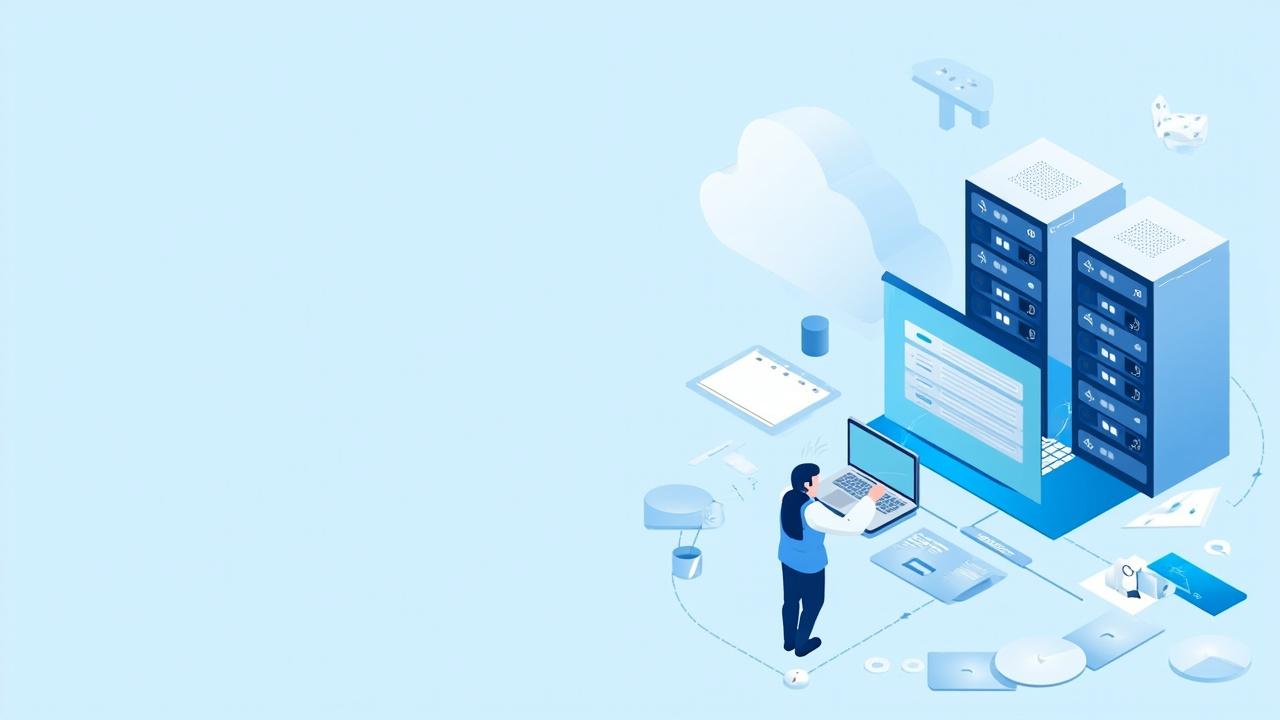
The infrastructure needed for this kind of massive-scale digital preservation is substantial, and it's forcing archivists to think like cloud engineers—planning for petabyte-scale storage, distributed systems, and long-term data integrity.
What This Means for Developers and Tech Professionals
If you're building platforms that host user-generated content, this trend should inform your architecture decisions. Questions about content portability, data export capabilities, and long-term storage aren't just nice-to-haves—they're essential for the cultural record.
For developers working on archiving tools or digital preservation systems, there's significant opportunity here. The tools and frameworks needed to properly archive dynamic, multi-platform content are still maturing. Projects like the Internet Archive have made incredible progress, but the demand for specialized, institution-level preservation services is growing.
At NameOcean, we see this as part of a broader conversation about digital permanence. Whether you're launching a startup's website, setting up a portfolio, or building a community platform, thinking about long-term content availability matters. Domain longevity, proper DNS configuration, and reliable hosting aren't just technical concerns—they're about ensuring your digital presence stands the test of time.
The Bigger Picture: Digital Memory and Cultural Identity
What the British Library is doing represents a fundamental shift in how we think about cultural heritage. Libraries and museums have always preserved physical artifacts—manuscripts, photographs, recordings. Now they're adapting their missions for the digital age.
This raises fascinating questions about what future generations will know about our era. Will they understand our humor? Our social movements? Our collective anxieties and joys? The content we create and share online says profound things about who we are as a society, and right now, much of it is disappearing faster than we can say "cache cleared."
Getting Involved
Whether you're a developer interested in contributing to archive projects, a creator thinking about preserving your own body of work, or just someone who wants to see the internet's history protected, there are ways to participate. Open-source archiving projects are always looking for contributors, and many libraries offer volunteer opportunities for digital preservation efforts.
The UK initiative serves as a reminder: our digital culture is worth saving. The jokes, the commentary, the creative expressions—they're not just entertainment. They're artifacts of human creativity that deserve a place in the historical record.
What do you think should be preserved? Share your thoughts on how we balance digital preservation with the ephemeral nature that makes memes so culturally significant in the first place.
Read in other languages: