The New Walled Garden: How AI Search is Reshaping the Web We Built
The New Walled Garden: How AI-Powered Search is Reshaping the Web We Built
If you spent any time following Google's recent announcements, you've probably heard the buzzwords: artificial intelligence, generative summaries, conversational search. It sounds impressive. It sounds like progress. But for those of us who've built websites, maintained blogs, and invested years into creating valuable content online, there's an uncomfortable truth lurking beneath the marketing language.
The Abstraction Layer Nobody Asked For
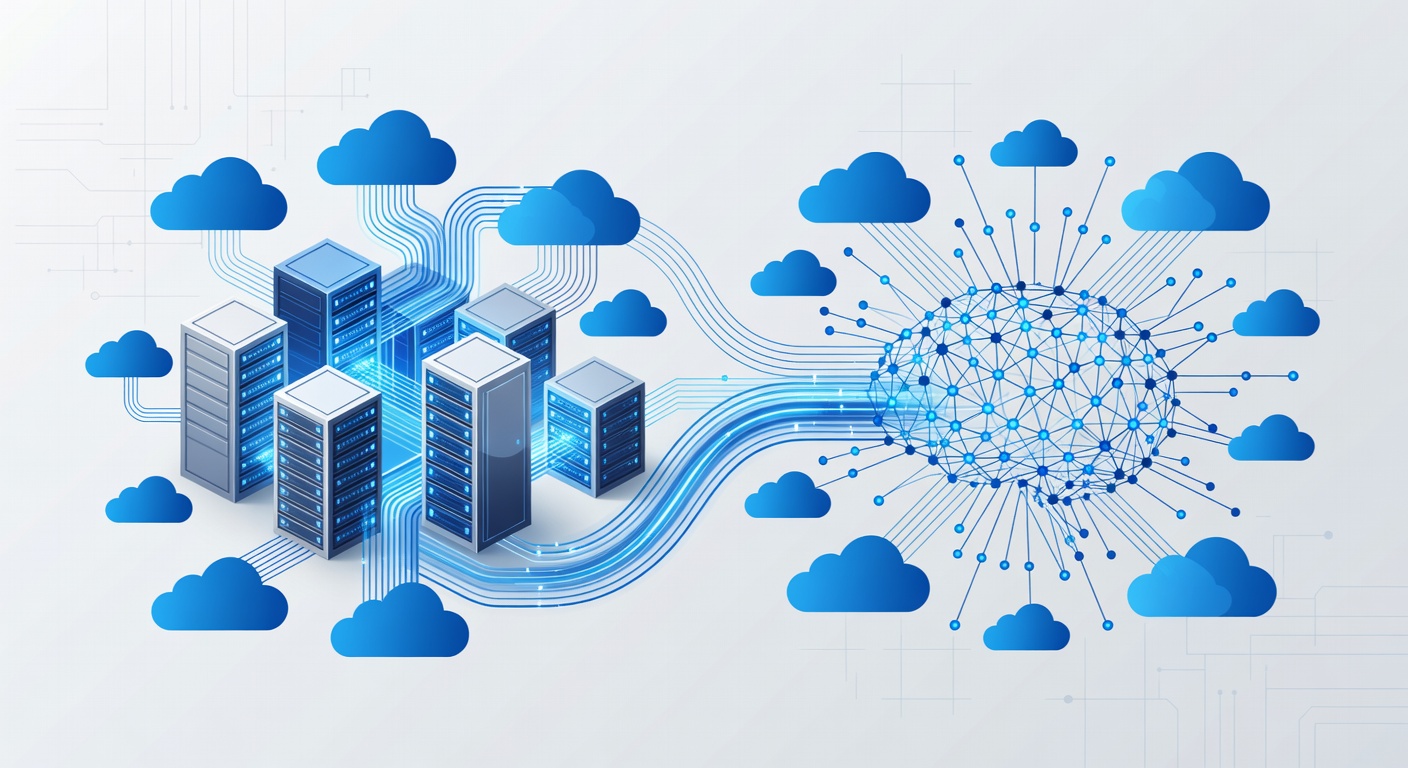
What Google is quietly constructing isn't just a better search engine—it's a middleman layer between users and the actual web. Think about how traditional search works: you enter a query, Google indexes billions of pages, and serves you a ranked list of relevant links. You click through, visit websites, engage with original sources.
Now imagine a different scenario. You ask a question. Instead of links, you get a synthesized answer. A perfectly polished response generated from patterns learned by feeding on—let's be clear—your unpaid content. The sources? Buried, if mentioned at all. The traffic to the original creator? Potentially zero.
This isn't innovation. This is the web eating itself.
Why This Matters for Creators and Developers
Let's be direct: this model fundamentally breaks the economic incentives that made the open web possible. Bloggers, news outlets, independent creators, niche communities—they all built on the assumption that good content gets discovered, shared, and linked. Those links drove traffic. That traffic drove engagement, sponsorships, subscriptions, and sustainability.
AI-powered abstraction layers don't kill those websites overnight. Instead, they extract value from them while removing the pathway back. Your carefully researched article becomes training data. Your unique perspective becomes a statistical probability in an LLM. Your ability to build an audience around your expertise? Quietly neutered.
A Familiar Playbook
This isn't the first time we've seen this story. Remember when Facebook became the "social web"? When organic reach plummeted and brands had to pay to reach their own followers? When news publishers watched their traffic evaporate while Facebook harvested their content?
Google learned from that era too—they watched Meta's growth and saw the opportunity. Why be a neutral index when you can be the destination? Why send users away from your platform when you can keep them inside your controlled environment, seeing only the results you've approved, fed by the AI systems you've trained?
It's a different medium, same strategy: monopolize access to information.
What Does This Mean for Your Website?
If you're running a domain with us at NameOcean, hosting content, building a digital presence—this matters to your future. Here's what changes:
SEO becomes less relevant. If search results become synthesized summaries rather than ranked links, traditional search engine optimization strategies lose power. Your technical excellence, your keyword strategy, your backlink profile—all become secondary to whether an AI decided to include your work in its abstract.
Brand becomes more critical. When the web becomes a source-free abstraction layer, your direct audience matters more. Building email lists, fostering community, creating reasons for people to find you directly rather than through search—these become essential.
Decentralization becomes radical. The irony? The antidote to Google's walled garden is the solution the web always had: direct connection. Your domain isn't just a digital address anymore—it's a statement of independence.
The Path Forward
None of this is inevitable. The web we built isn't destined to disappear into some Googlified abstraction layer. But it requires intention.
Diversify your traffic sources. Don't rely entirely on search. Build feeds, newsletters, direct communities. At NameOcean, we see developers and creators increasingly investing in owning their own platforms—domains they control, hosting they manage, direct relationships with their audiences.
Support alternative search. Yes, even in 2024, alternatives exist. They're smaller, maybe less convenient, but they still work on the principle that your content deserves attribution and your source deserves traffic.
Amplify ownership. The web's greatest superpower has always been decentralization. One domain you fully control beats a thousand shares on someone else's platform.
Stay critical. When a major platform announces a shiny new feature, ask the question everyone should ask: who benefits from this? Who loses?
The Real War
This isn't about AI. AI is just the latest tool in a very old game: controlling access to information. The "war on the web" that's happening right now isn't technical—it's economic and political. It's about whether the web remains a place where anyone can publish and be discovered, or whether it becomes a consumption layer where a handful of companies decide what information matters.
Google's latest keynote wasn't a declaration of innovation. It was a declaration of intent.
The good news? You still have a choice. Your domain, your content, your direct audience—these still matter. They matter more than ever.
The question is: will you keep the web weird, decentralized, and human-centered? Or will you watch it disappear into the next walled garden?
The answer, honestly, is up to us.
At NameOcean, we believe in a web where your domain is your voice. Whether you're building a blog, launching a startup, or hosting cloud applications with our AI-powered Vibe Hosting, owning your digital presence has never been more important. Let's build a web that still values creators, communities, and the open exchange of ideas.