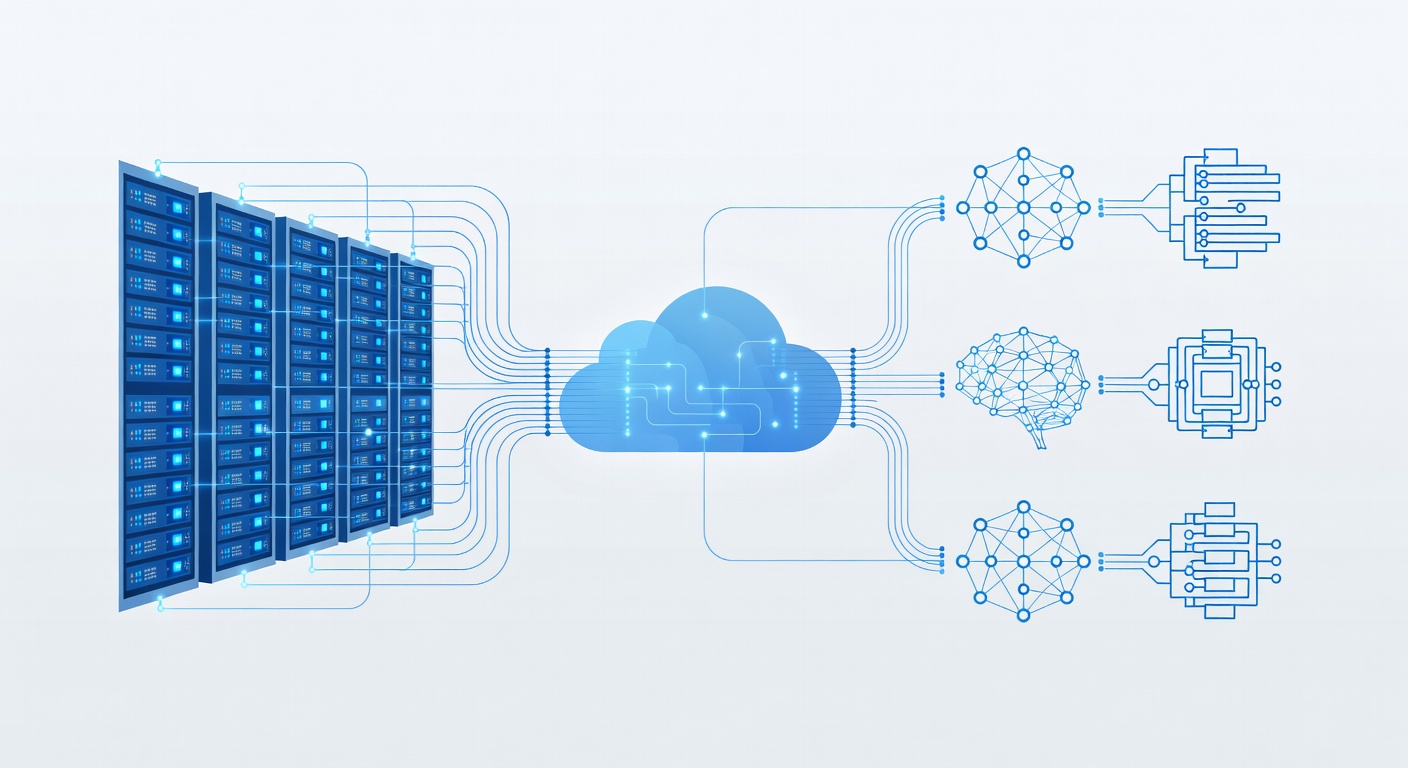
The Malware Explosion of 2026: Why AI-Powered Defense Is No Longer Optional
The Malware Explosion of 2026: Why AI-Powered Defense Is No Longer Optional
If you've been paying attention to hosting industry news over the last few months, you've probably noticed a pattern: server rooting incidents, zero-day exploits, and critical vulnerabilities in core infrastructure like cPanel, Linux, and Apache seem to be arriving faster than patches.
The numbers tell an even more alarming story.
We're not talking about incremental growth here. We're talking about a 10x increase year-over-year, with Q1 2026 already surpassing the entire malware volume of 2025. If you're running servers, managing a hosting business, or relying on cloud infrastructure, this isn't a headline to skim—it's a wake-up call.
Why Everything Changed So Quickly
The culprit is obvious to anyone paying attention: AI has democratized attack vectors.
It used to be that launching a sophisticated cyber attack required significant skill, custom tooling, and insider knowledge. Not anymore. AI-powered attack agents can now probe for vulnerabilities, test exploits, and deploy malware with minimal human intervention. The barrier to entry for attackers has essentially collapsed.
Combine that with automated scanning bots crawling the internet 24/7, probing for weak points across millions of servers, and you get an exponential growth curve that's steeper than most security teams predicted.
The scary part? This isn't slowing down. This is the new normal.
The Signature Problem: You're Already Behind
Traditional security approaches relied on signature-based detection—essentially, "we've seen this malware before, so we know what to look for."
Here's the problem with that strategy in 2026: by the time a signature is published and deployed across your infrastructure, attackers have already moved on to variants and new exploits. You're playing defense against threats that have already evolved.
The hosting providers and security teams winning right now have shifted to behavioral analysis—using AI to detect malicious activity patterns rather than waiting for known attack signatures.
This approach doesn't care if a malware variant is novel or unseen. It analyzes what the code is doing. Is it trying to escalate privileges? Accessing sensitive files? Communicating with command-and-control servers? Those behaviors are consistent, even when the exploit is brand new.
The Rise of Collaborative Defense
Here's something genuinely surprising coming out of the industry right now: competitors are sharing threat intelligence.
Major hosting providers and security firms that compete ferociously for business are setting up private communication channels to discuss active threats, share indicators of compromise, and alert each other when servers get compromised. In a hyper-competitive industry, that's remarkable.
Why? Because a server rooted at Company A becomes a staging ground for attacks on Company B's infrastructure. What happens on one provider's network affects everyone. A rising tide floats all boats—and a falling tide sinks them all together.
This collaborative approach means that when a vulnerability is discovered and exploited anywhere in the global network, every connected provider gets the benefit of that intelligence. Detection engines update thousands of times a day based on real-world attack data flowing through the network.
That's how security teams are now catching more malware in a single quarter than they caught in an entire previous year.
What This Means for Your Infrastructure
If you're running a hosting business, managing cloud infrastructure, or relying on servers for your business, the implications are clear:
1. Assume compromise will happen. It's not a matter of "if" anymore; it's a matter of "when." Your security strategy needs to account for this.
2. Signatures are insufficient. You need behavioral analysis and behavioral monitoring built into your infrastructure. Tools that can detect anomalies, not just known patterns.
3. Patch velocity matters. With exploit disclosure and weaponization happening faster than ever, your patch management process needs to be aggressive and automated where possible.
4. Network visibility is critical. You need to know what's happening on your servers in real-time. Behavioral analysis requires deep visibility into system activity, process execution, and network traffic.
5. Threat intelligence sharing isn't weakness—it's survival. Partner with security teams, share indicators, and participate in industry conversations about emerging threats.
The AI Arms Race
Here's the honest truth: we're in an AI arms race. Attackers are using AI to launch attacks faster and more effectively. Security teams are deploying AI-powered behavioral analysis to detect those attacks before they cause damage.
The teams that win are the ones that don't wait for someone else to get hacked first. They don't wait for CVE disclosures and signature updates. They use AI to analyze behavior in real-time and make their own decisions about what's malicious.
At NameOcean, we're seeing this play out across our customer base. The hosting providers and cloud users who are staying ahead of the curve aren't just patching faster—they're fundamentally rethinking how they approach security from the ground up.
What's Next?
The malware growth curve isn't showing signs of flattening. More exploits are coming. More sophisticated attacks are coming. And the industry will continue evolving in response.
The platforms that survive and thrive will be the ones that embrace behavioral analysis, invest in real-time detection, and participate in collaborative threat intelligence sharing.
Your infrastructure isn't a fortress anymore—it's a connected node in a global network. Security is no longer an individual company problem. It's an industry problem that requires industry-wide solutions.
If you're not thinking about AI-powered malware detection and behavioral analysis for your hosting infrastructure, now is the time to start.