The Infrastructure Paradox: How Our Digital Foundation Became Our Distraction
The Infrastructure Paradox: How Our Digital Foundation Became Our Distraction
Remember when launching a website meant uploading files via FTP and calling it a day? Those days feel prehistoric now. Today's web stack is a marvel of engineering—but it's also become a sprawling beast that devours our productivity.
The Complexity We've Built
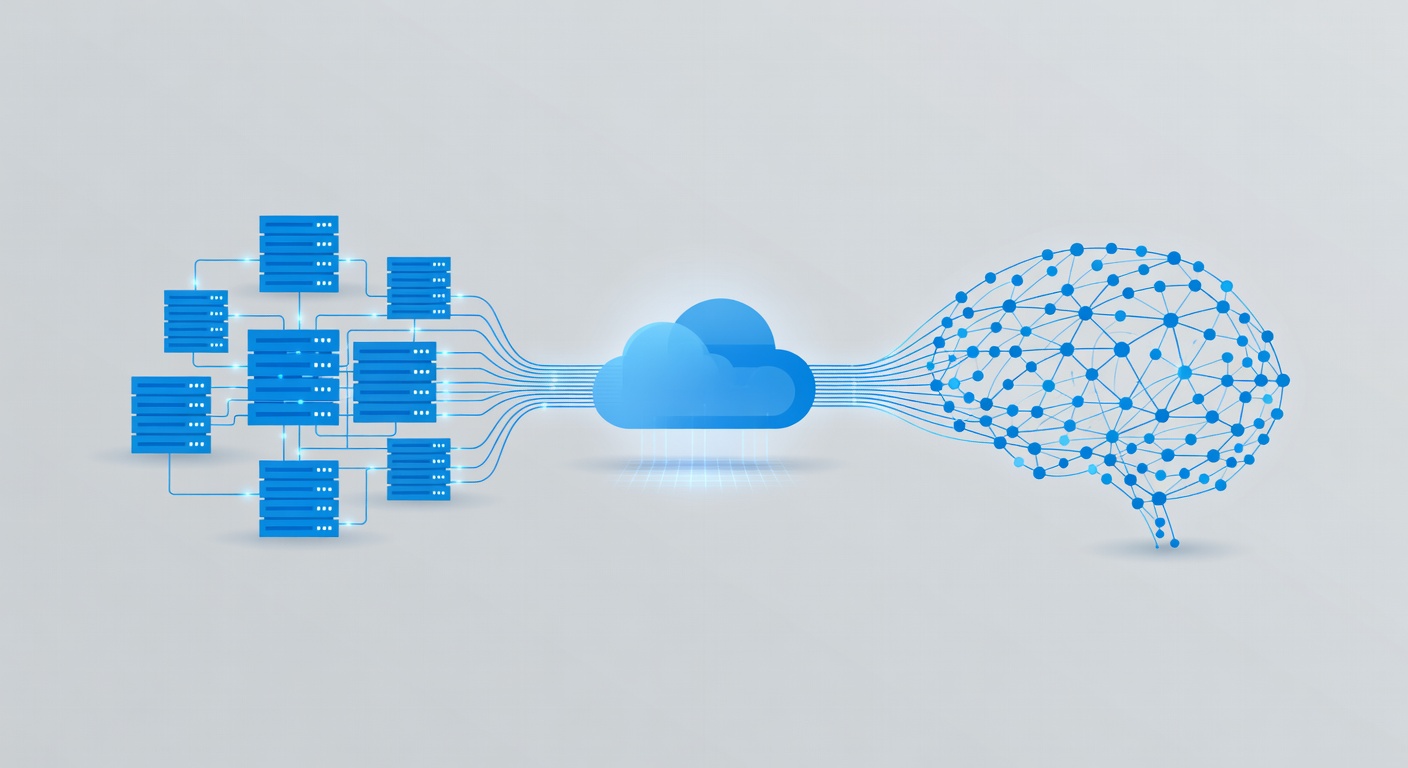
We've created something remarkable: a global infrastructure with DNS redundancy, SSL/TLS encryption, CDN distribution, cloud orchestration, and AI-assisted deployments. Every component serves a legitimate purpose. Every layer adds value.
And yet.
Developers spend hours troubleshooting DNS propagation delays, debugging SSL certificate chains, configuring cloud infrastructure, and managing CI/CD pipelines. We've built tools to manage our tools, which now require their own management. It's infrastructure all the way down.
The Real Cost of Sophistication
The irony is painful: the more automated our systems become, the more specialization they demand. A single developer now needs understanding of:
- Domain registration and DNS management
- SSL/TLS protocols and certificate management
- Load balancing and traffic distribution
- Container orchestration and Kubernetes concepts
- Infrastructure-as-Code and configuration management
- Cloud provider ecosystems (AWS, Azure, GCP—pick your flavor)
- Security compliance and monitoring
This isn't expertise anymore—it's a full-time job. And for many developers, it's a job that takes precedence over actual product development.
Why This Matters for Your Projects
Consider what happened to a typical startup's development timeline:
Five years ago: Developers built features. Infrastructure was boring infrastructure.
Today: Developers spend 40% of their time managing infrastructure, 30% fighting tooling issues, and maybe 30% actually shipping features.
That's not progress. That's optimization theater.
The problem isn't that cloud hosting, DNS, or SSL certificates are inherently complex. The problem is that we've distributed this complexity across so many services and providers that no single developer can maintain a complete mental model of their own system.
The NameOcean Perspective
At NameOcean, we've watched this evolution closely. Our AI-powered Vibe Hosting wasn't built because we wanted to add another layer of abstraction—it was built because we recognized this exact problem.
When you register a domain with us, you shouldn't need a PhD in DNS to make it work. When you deploy an application, SSL certificate management should be invisible, not a six-step verification process. When you scale your infrastructure, you shouldn't need to become a Kubernetes expert first.
The best infrastructure is the infrastructure you don't have to think about.
Reclaiming Your Focus
So what's the solution? Not abandonment—the modern web genuinely needs these systems. But abstraction.
Smart defaults matter. Your domain registrar should automatically configure sensible DNS records. Your hosting platform should handle SSL renewals without human intervention. Your deployment process should work without requiring a devops engineer.
Automation should serve you, not the other way around. If you're writing YAML files to manage YAML files, something went wrong. Tools should amplify your productivity, not consume it.
Platform cohesion is underrated. The best developer experience comes from integrated platforms where your domain, DNS, hosting, and deployment work together seamlessly—not from assembling point solutions that barely talk to each other.
What This Means Going Forward
The next evolution of web infrastructure won't come from more complexity. It'll come from platforms that handle the complicated parts invisibly while giving you crystal-clear control when you need it.
AI-assisted development tools aren't just about writing code faster—they're about abstracting away the tedious infrastructure busywork so you can focus on what actually matters: building things people want to use.
The web that consumes us doesn't have to. We just need to be intentional about what complexity we accept and what we delegate.
Your time is finite. Don't spend it debugging DNS records when you should be shipping features.
Ready to simplify your infrastructure stack? Start with NameOcean's domain registration and cloud hosting services, powered by AI-driven automation that handles the complexity so you don't have to.