The Hidden Data Trail: What Your AI Coding Assistant Is Really Sending to the Cloud
The Hidden Data Trail: What Your AI Coding Assistant Is Really Sending to the Cloud
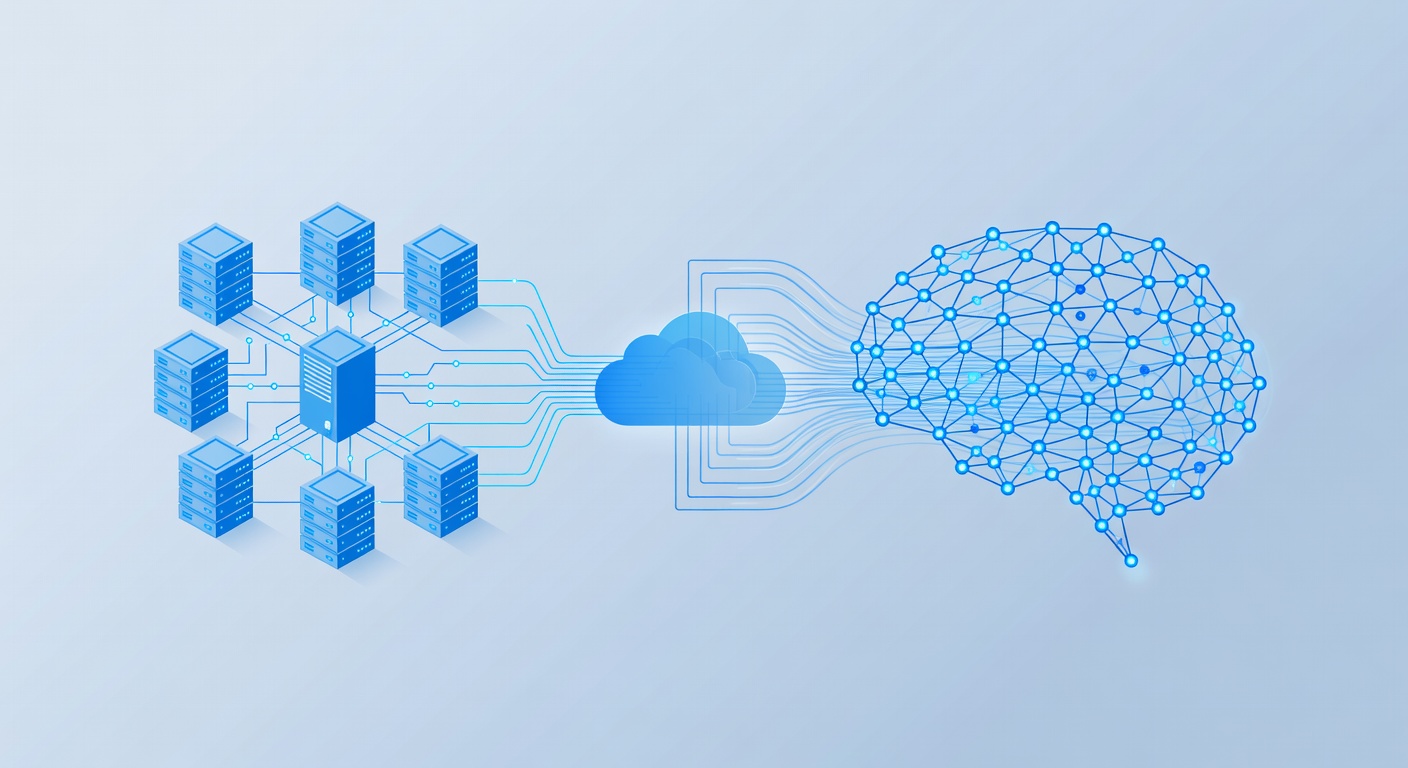
When you fire up your favorite AI coding agent for your afternoon sprint, something invisible happens. Your code gets tokenized. Your project structure gets analyzed. Your API calls get logged. And somewhere in the cloud, data about your development workflow is being processed, cached, and potentially retained.
The uncomfortable truth? Most developers can't tell you exactly what's happening.
The Trust Gap in Modern Development
We've come a long way from the days of locally-run compilers and on-premise IDEs. Today's development experience is deeply integrated with cloud services, and AI agents have accelerated this trend dramatically. These tools promise to boost productivity—and they deliver. But they do so by creating a data pipeline that few of us fully understand.
A developer sitting down to debug a feature might unknowingly be:
- Uploading proprietary code snippets to external servers
- Sharing API keys or authentication tokens
- Exposing sensitive project configuration
- Creating permanent records of internal implementation details
- Training machine learning models on your intellectual property
The problem isn't necessarily that tools are acting maliciously. It's that transparency is minimal, and granular control is often nonexistent.
Why This Matters More Than You Think
Security implications are obvious—data exfiltration is one thing. But there are subtler concerns:
Competitive advantage erosion: Your unique architectural decisions, optimization techniques, and business logic might be informing models that competitors use. When everyone's using the same AI agents on the same training data, differentiation suffers.
Compliance nightmares: Working with healthcare data, financial systems, or user information subject to GDPR, HIPAA, or SOC 2 requirements? Sending that to cloud-based AI agents might violate your regulatory obligations in ways you haven't considered.
Supply chain risk: If your AI coding agent is compromised, every line of code it's seen becomes leverage for attackers.
Dependency lock-in: The more your team relies on a specific AI agent, the harder it becomes to switch—especially if you've built workflows and institutional knowledge around it.
Taking Back Control: A Practical Framework
You don't have to choose between productivity gains and data security. Here's how to audit and control your AI agent's behavior:
1. Demand Transparency First
Start with basic questions your vendor should answer clearly:
- What data is transmitted for each request?
- How long is data retained?
- Is it used for model training?
- Can I opt out of training data usage?
- What encryption is in transit and at rest?
If a vendor hesitates on these answers, that's your signal.
2. Implement Network Monitoring
Use tools like Charles Proxy, Wireshark, or your operating system's built-in network inspection to see exactly what's leaving your machine. Set up DNS logging to track which endpoints your AI agent connects to.
Document everything. Build an inventory of external calls, frequencies, and payload sizes.
3. Use Environment Segmentation
Keep a "clean" development environment disconnected from cloud-based AI agents for your most sensitive work. Use local, open-source alternatives (like Ollama with local models) for that code.
For less sensitive projects, use cloud agents freely.
4. Employ Proxy/Filter Layers
Some organizations deploy middleware that intercepts AI agent requests and strips sensitive information (API keys, credentials, internal domains) before transmission. This adds complexity but provides granular control.
5. Evaluate Local-First Alternatives
The open-source community is rapidly developing strong alternatives to cloud-dependent AI coding agents. Models like Llama, CodeLlama, and others can run locally on capable machines. The trade-off is slightly reduced capability, but the data stays yours.
The NameOcean Perspective: Hosting Where Your Data Lives
At NameOcean, we've built Vibe Hosting with this philosophy in mind—you should know exactly where your data lives and have control over your infrastructure. While our cloud hosting services are built on transparency (we can tell you exactly where your servers are, how they're secured, and what gets logged), we also recognize that developers increasingly want options.
That's why we're committed to supporting open-source development tools and providing infrastructure that works with local-first architectures. Your domain shouldn't be the only thing you own—your data and development workflow should be too.
What Should Change?
The industry needs to move toward:
- Standardized data disclosures: Similar to nutrition labels, but for data usage
- Audit-friendly APIs: Developers should be able to query exactly what their AI agent transmitted
- Data minimalism defaults: Agents should collect the minimum data necessary, with everything else as explicit opt-in
- Regulatory clarity: Clearer guidelines on what's legally permissible when using cloud-based AI for development
The Bottom Line
Your AI coding agent is incredibly powerful, but power without transparency is just risk wearing a productivity mask.
Start asking questions. Audit your setup. Understand what you're trading for convenience. And don't accept vague reassurances—demand specificity.
The future of development should be smarter and more secure. Not one at the expense of the other.
What's your AI agent of choice, and have you checked what data it's sending? We'd love to hear about your auditing process in the comments.