The Future of Coding: How Multiplayer Desktops Are Transforming AI Agent Collaboration
The Future of Coding: How Multiplayer Desktops Are Transforming AI Agent Collaboration
Remember when coding was a lonely endeavor? You'd sit alone at your desk, debugging for hours, relying on Stack Overflow and documentation for help. Those days feel increasingly distant as AI coding assistants have become our constant pair programmers. But here's the thing—most of us are still working with these agents in isolation, missing out on the real power of collaborative development.
What if your entire development team—including multiple AI agents—could work together in a shared space simultaneously?
What Are Multiplayer Coding Desktops?
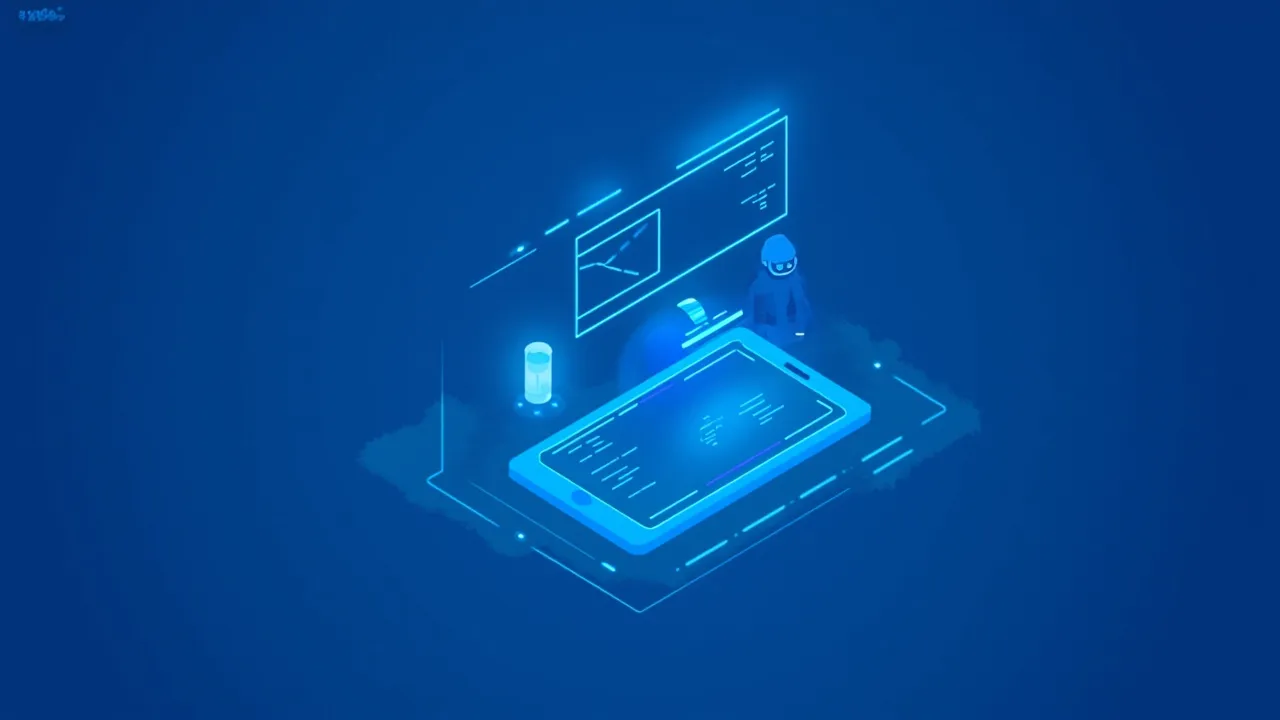
Multiplayer coding desktops are shared virtual environments where human developers and AI coding agents can collaborate in real-time. Instead of switching between different agent interfaces, copy-pasting context, and losing track of what each tool is doing, everything happens in one unified space.
Think of it like Google Docs, but instead of multiple humans editing a document, you have developers, multiple AI agents, and visual interfaces all working toward the same goal. The desktop becomes a shared context layer—visible to everyone involved, human or machine.
Why This Matters for Modern Development
Context Preservation: One of the biggest frustrations with AI coding agents is context loss. You paste some code, get a response, then ask a follow-up question only to realize the agent has forgotten key details from your conversation. A shared desktop maintains context across all participants, eliminating this fragmentation.
Team Coordination: When you have multiple agents working on different aspects of a project, coordination becomes essential. A multiplayer desktop lets you assign tasks to different agents, monitor their progress visually, and ensure their outputs integrate properly.
Reduced Friction: Instead of constantly copying instructions between tools and contexts, you can share a single desktop with your entire development ecosystem. Paste your agent instructions once, and everyone—human and AI—has access to the same working environment.
Real-World Use Cases
This approach isn't just theoretical. Development teams are already using multiplayer desktops for:
- Feature Development: One agent handles backend logic while another manages the frontend interface, with developers overseeing both through the shared desktop.
- Code Review: Multiple agents analyze code from different angles—security, performance, readability—while human reviewers see all suggestions in one place.
- Onboarding: New team members can observe how experienced developers and agents collaborate, learning workflows interactively.
The 48-Hour Window: Temporary But Powerful
Many of these collaborative platforms operate on temporary sessions, with desktops expiring after 48 hours. This might seem limiting at first, but it actually encourages focused, productive work sessions. You start with a clear goal, collaborate intensively, and wrap up before context becomes stale.
Log in to claim your session and start coordinating. The time constraint forces you to be intentional about what you want to accomplish, which often leads to more efficient development cycles.
Getting Started
Ready to try multiplayer coding desktops? Here's how to dive in:
Choose Your Platform: Look for services that support multiple AI agents (like Claude Code, Codex, Cursor, and others) and offer visual desktop features.
Prepare Your Instructions: Before opening a session, outline what you want each agent to do. Clear instructions lead to better collaboration.
Share With Your Team: These platforms aren't just for individual use. Share your desktop with colleagues to coordinate work across your entire development team.
Monitor and Iterate: Watch how agents work together, adjust your approach, and refine your workflows over time.
The Bottom Line
We're witnessing a fundamental shift in how software gets built. The future isn't about choosing between human developers and AI agents—it's about seamless collaboration between both. Multiplayer coding desktops represent the next logical step in this evolution, turning what was once fragmented tool usage into cohesive, team-based development.
Whether you're a solo developer experimenting with AI assistants or part of a startup building complex applications, these collaborative tools offer a glimpse into where development is headed. The question isn't whether AI will change coding—it's whether you'll be ready to code collaboratively with machines.
What do you think? Would a shared desktop environment improve your development workflow? The conversation about the future of coding is just getting started, and developers like you are shaping where it goes next.
Ready to explore the collaborative future of development? Start experimenting with multiplayer coding environments and see how AI agent collaboration could transform your next project.