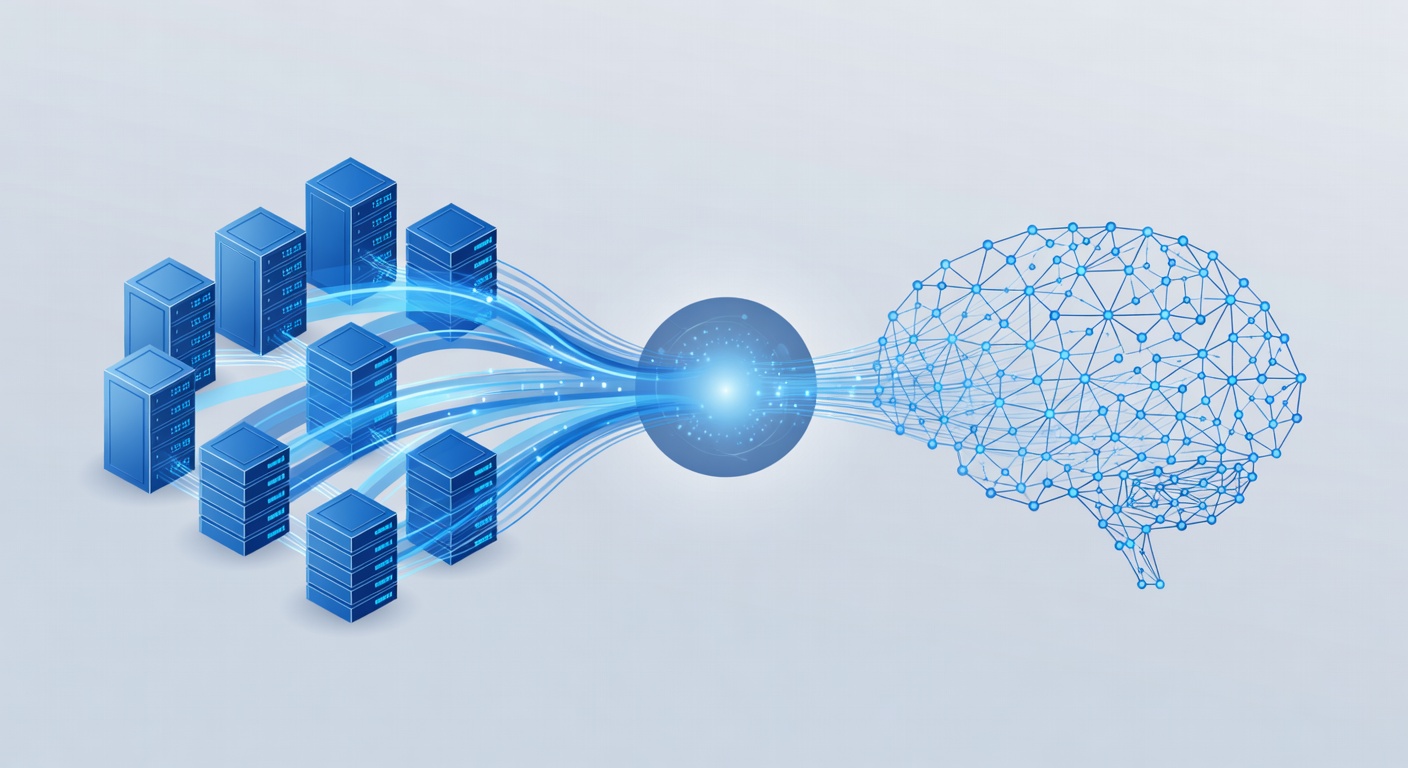
The Future of AI-Assisted Development: Why Terminal-First Coding Workspaces Matter
The Future of AI-Assisted Development: Why Terminal-First Coding Workspaces Matter
The AI revolution in development tools has brought incredible capabilities to our fingertips. Yet many modern AI coding assistants feel bloated, opaque, and divorced from how experienced developers actually work. They prioritize graphical interfaces over keyboard efficiency. They hide execution details behind sleek dashboards. They lock you into a single model provider.
Enter a different philosophy: terminal-first, transparent, and developer-centric tooling.
Breaking the GUI Dependency
Most developers today still reach for their terminal when they need to get serious work done. Whether you're deploying infrastructure, managing version control, or scripting automation, the terminal remains the fastest path from thought to execution. Yet AI coding tools have largely abandoned this principle, building thick GUI layers that slow you down with mouse clicks and context switching.
A keyboard-first approach reclaims this efficiency. Every action becomes a command. Every workflow stays within your terminal window. For developers who've mastered Vim keybindings or spent years optimizing their shell configurations, this isn't a limitation—it's a feature.
Transparency as a Core Value
AI-assisted coding introduces a new problem: how do you know what your AI agents are actually doing? When you delegate a task to an AI coding assistant, does it show you its reasoning? Can you inspect which model processed your request? What about error recovery—can you see why something failed and how it's attempting to fix it?
Traditional AI tools often treat execution as a black box. You submit a prompt, and results appear. This opacity erodes trust, especially in critical systems where understanding the decision-making process matters.
A truly transparent workspace inverts this. Every execution step should be inspectable. Every agent action should be visible. Every model call should be traceable. This isn't about distrust—it's about building systems where humans maintain meaningful oversight.
Thread-Oriented Thinking for Complex Projects
Real development work rarely involves isolated tasks. You're juggling multiple features, coordinating code reviews, managing different deployment pipelines, and orchestrating between team members and AI agents. Managing these parallel streams in a simple chat interface breaks down quickly.
Thread-oriented architecture treats conversation and task management as first-class concerns. Different threads handle different contexts. Agents operate within defined scopes. History is preserved and organized. This mirrors how experienced developers actually structure their thinking—compartmentalized, context-aware, and temporally coherent.
Provider Agnosticism: Avoid Vendor Lock-in
The AI model landscape is evolving rapidly. GPT-4 excels at certain tasks. Claude handles others better. Open-source models like Llama offer privacy benefits. Specialized models serve niche purposes. Yet most AI tools lock you into a single provider ecosystem.
A truly flexible workspace should remain agnostic about where your models run. Switch between OpenAI, Anthropic, local deployments, or specialized model servers without rewriting your workflows. This flexibility becomes increasingly critical as model quality, pricing, and capabilities continue to shift. You shouldn't have to choose between tool lock-in and capability.
Native to Your Tech Stack
Many AI coding assistants are built in web technologies, JavaScript frameworks, or other general-purpose platforms. But if you're working in .NET, building C# applications, or managing enterprise infrastructure, these tools often feel foreign.
A native .NET implementation removes friction. Plugins can be written in C#. Integration with existing .NET tooling becomes seamless. Performance characteristics align with your production systems. This isn't gatekeeping—it's acknowledging that different developer communities have different needs, and those needs deserve purpose-built solutions.
Errors as Opportunities, Not Dead Ends
When an AI-assisted coding workspace encounters an error, what happens? In poorly designed systems, execution stops. You're left to debug manually. The AI provides no actionable path forward.
Better systems treat errors as intelligence. What went wrong? Why did it fail? What repair strategies exist? Can the agent attempt recovery? A mature workspace makes errors informative and actionable, converting failures into learning opportunities that improve subsequent execution.
Extensibility Through Plugins
The best platforms recognize that they can't solve every problem. Plugin architectures allow trusted extensions while maintaining security boundaries. Local plugins, verified by your team, can extend functionality without creating dependency chains or security risks.
For developers, this means the tool grows with your needs without bloating the core.
What This Means for Your Workflow
If you're building with modern AI tools, ask yourself: Are you working at maximum efficiency? Can you see what's happening under the hood? Are you locked into a single vendor? Does the tool respect your existing tech investments?
Terminal-first, transparent, agent-coordinated development represents a mature evolution of AI-assisted coding. It acknowledges that AI is powerful, but power without transparency and flexibility breeds problems.
The future of development isn't about smarter assistants replacing developers. It's about building environments where developers, AI agents, and tooling collaborate seamlessly—where humans maintain clear oversight, where efficiency isn't sacrificed for accessibility, and where your tool choices don't create technical debt.
That's the promise of truly developer-centric AI workspaces.