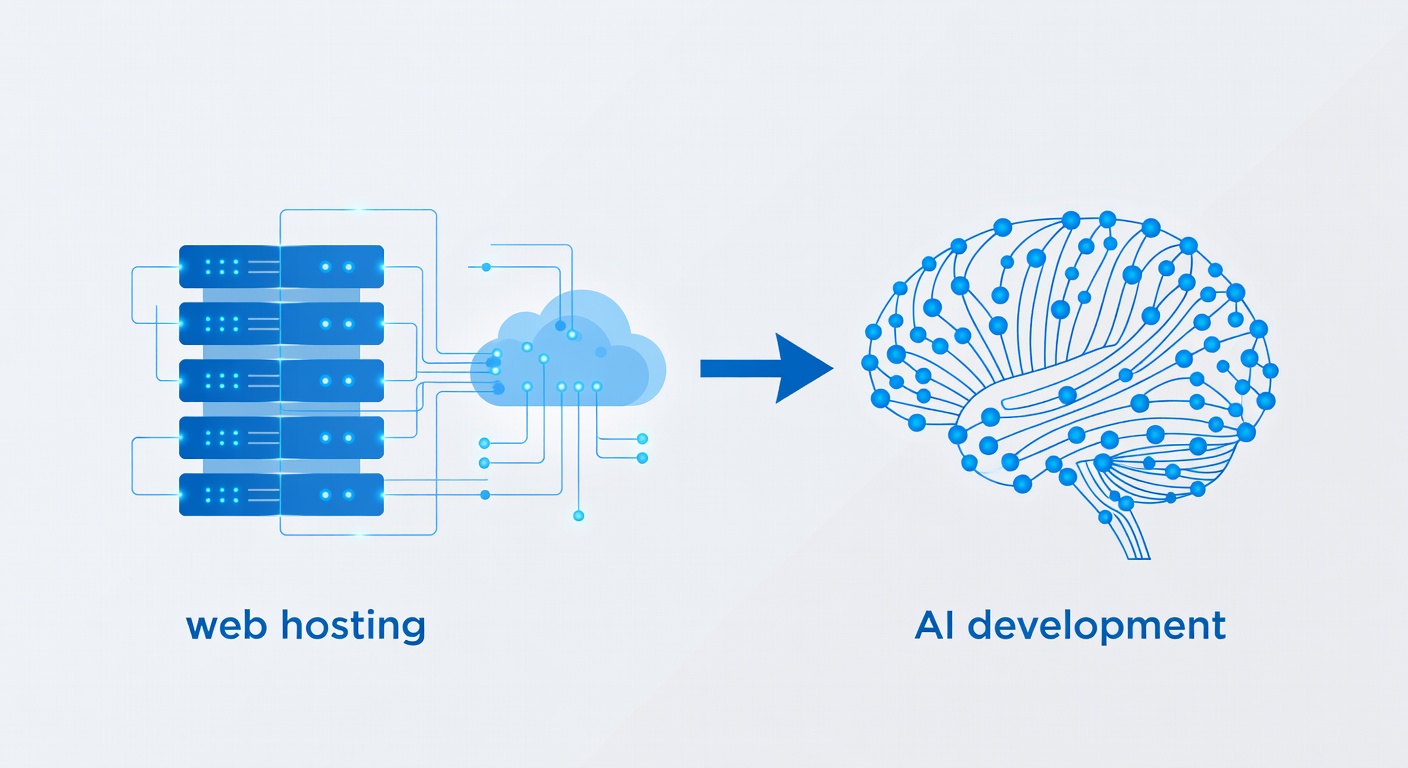
The AI Revolution in Digital Advertising: What X's Platform Rebuild Means for Your Business
The AI-Powered Ad Platform Era is Here
The digital advertising landscape has always been turbulent, but we're witnessing something genuinely transformative right now. Major platforms are ditching legacy ad systems built on outdated algorithms and human guesswork, replacing them with sophisticated AI-driven infrastructure designed to work smarter, not just harder.
When a platform like X commits resources to rebuilding its entire advertising backbone around AI, that's not just a feature update—it's a philosophical shift about how ads function in the modern web ecosystem.
Why This Matters for Your Business
Real-time Optimization
Traditional ad platforms rely on batch processing and periodic audits. AI-powered systems work continuously, analyzing performance metrics in real-time and adjusting campaigns mid-flight. For your marketing team, this means:
- Less time spent on manual optimization
- Faster response times to market changes
- Better ROI on your advertising spend
Precision Targeting Without the Privacy Headache
Here's where AI becomes genuinely interesting. Rather than relying on invasive third-party tracking cookies, modern AI systems can infer audience intent and behavior patterns using contextual signals, first-party data, and behavioral indicators. You get better targeting without the regulatory compliance nightmares.
Cost Efficiency at Scale
AI doesn't tire. It doesn't take weekends off. It can manage thousands of campaign variables simultaneously, finding patterns and optimizations that would take human marketers weeks to discover. For startups operating on lean budgets, this democratizes access to enterprise-level campaign management.
The Technical Layer: Why Rebuilds Matter
Rebuilding from scratch is a big deal. Legacy ad platforms often inherit technical debt from years of patches, workarounds, and feature stacking. A complete rebuild allows engineers to:
- Eliminate architectural bottlenecks
- Implement modern infrastructure (microservices, edge computing, etc.)
- Integrate AI at the foundation rather than bolting it on top
- Improve system scalability for peak traffic periods
Think of it like upgrading from a house with decades of added rooms and confusing wiring to a newly constructed building designed with modern standards from day one.
What Advertisers Should Expect
Learning Curve Trade-offs
Yes, new platforms mean new interfaces and new workflows. Your team will need some onboarding time. However, the payoff is usually worth it—modern platforms tend to be more intuitive because they're built around user behavior research from the ground up.
Integration Possibilities
AI-powered ad platforms open doors for deeper integration with your own business intelligence tools. APIs that feed performance data into your analytics stack, webhooks that trigger actions based on campaign milestones—these connections become more natural with modern architecture.
Competitive Advantage Window
Early adopters of rebuilt platforms often gain temporary advantages as they discover optimization strategies before the broader market catches up. If you're managing significant ad spend, this is worth considering.
The Bigger Picture: Industry Consolidation Around AI
This isn't isolated to X. Every major digital advertising platform is racing to implement sophisticated AI systems. Google's Performance Max campaigns, Meta's Advantage+ shopping campaigns, and now X's rebuilt platform all point toward the same future:
Human strategic thinking + AI execution = better results
Successful digital marketers in 2026 won't be those fighting the AI tools—they'll be those who understand how to leverage them strategically. Setting proper constraints, defining clear business objectives, and monitoring outcomes for brand safety and message alignment remain fundamentally human responsibilities.
A Note on Domains and Digital Presence
Here's where we connect this back to your broader digital strategy: your advertising platform choice should align with your domain strategy and overall web presence. If you're building campaigns across multiple platforms, ensure your primary domain is rock-solid, your DNS is properly configured for all tracking pixels and conversion tags, and your SSL certificates are current. Nothing derails a sophisticated ad campaign like domain or SSL issues that break tracking infrastructure.
What You Should Do Now
- Audit your current ad platforms - Which ones align with your business goals?
- Test the new capabilities - Most platform rebuilds include beta periods or special features for early adopters
- Train your team - Understanding AI-powered tools requires different thinking than manual optimization
- Monitor performance - Set baselines so you can measure improvement after migration
The Bottom Line
Platform rebuilds powered by AI aren't just incremental improvements—they represent a fundamental shift in how digital advertising operates. The businesses that embrace these tools strategically, rather than fight or ignore them, will find themselves with significant competitive advantages.
The question isn't whether to use AI-powered advertising platforms. It's whether you'll adopt them early enough to learn and optimize before everyone else catches up.