Taking the Wheel: How Control Planes Are Reshaping Autonomous AI Development
The Problem with Unleashed AI Agents
We're living through an exciting moment in software development. AI models can now write code, debug issues, and even architect solutions with surprising competency. But here's the uncomfortable truth: letting AI agents run wild is like deploying code without version control.
Without oversight, autonomous AI coding agents can:
- Generate technically correct but architecturally misaligned code
- Miss business context and requirements
- Accumulate technical debt without realizing it
- Make decisions that conflict with your security posture
- Drift away from your development standards
This is where the concept of a control plane becomes essential.
What Is a Control Plane for AI Agents?
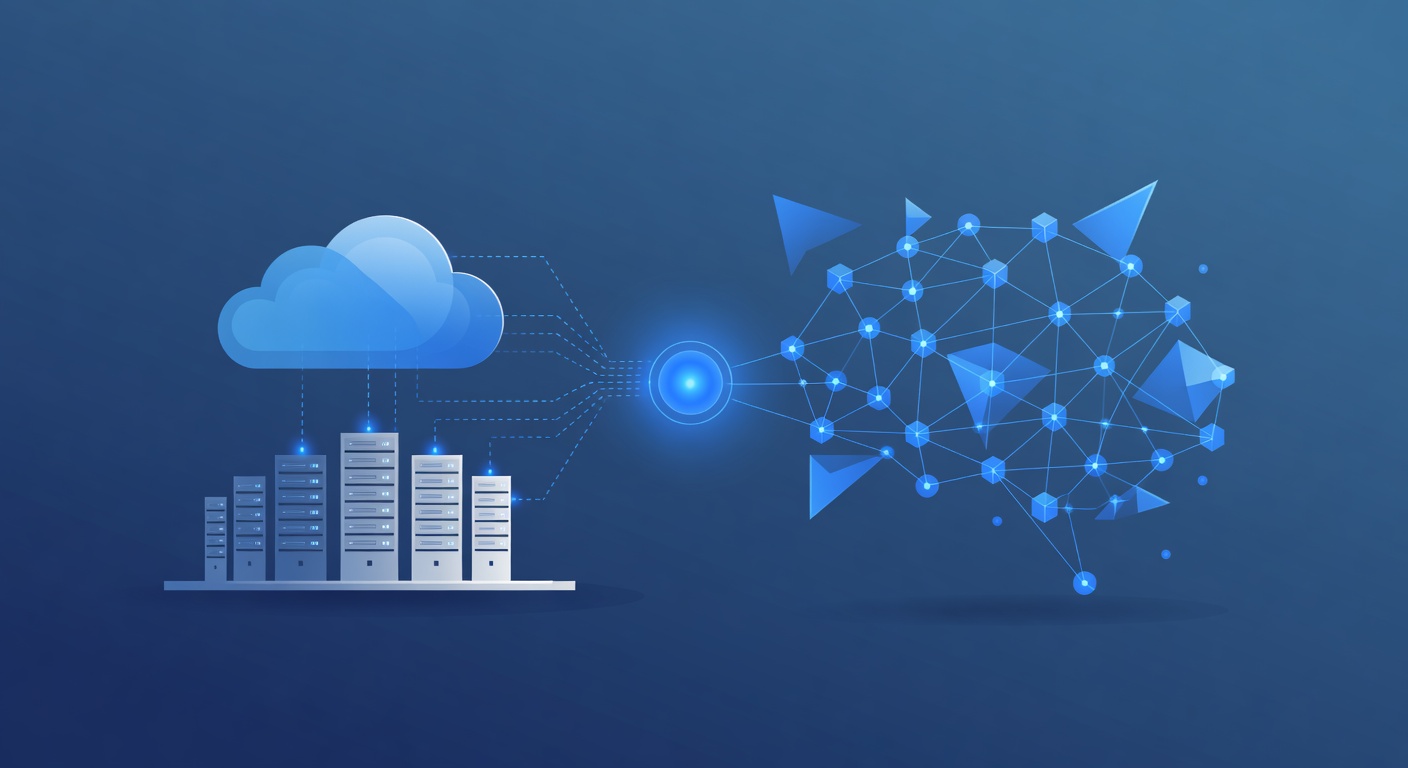
Think of a control plane as the command center for your autonomous AI developers. It's the orchestration layer that sits between your AI agents and your codebase, ensuring that:
Decisions are validated — Before an AI agent commits changes, the control plane evaluates whether those changes align with your project's architecture, security requirements, and development guidelines.
Context is preserved — AI agents need to understand not just the immediate coding task, but the broader business logic, API contracts, and system dependencies. A control plane maintains this institutional knowledge.
Human oversight remains — This isn't about removing humans from the loop; it's about keeping humans informed and empowered to intervene when necessary.
Actions are traceable — Every decision an AI agent makes should be logged, auditable, and reversible if needed.
Why This Matters for Modern Development Teams
If you're using AI tools like GitHub Copilot, ChatGPT, or Claude for development work, you're already interacting with AI agents in some form. But as these tools become more autonomous and capable, the need for governance becomes critical.
Consider this scenario: An AI agent detects that your authentication service has outdated dependencies and autonomously updates them. Sounds good, right? But what if those updates introduce breaking changes? Without a control plane validating compatibility across your microservices, you've just created a production incident.
A control plane prevents this by enforcing policies, running automated testing, and requiring approval workflows before changes propagate.
Key Components of an Effective Control Plane
Policy Engine — Defines what AI agents are allowed to do. Can they modify database schemas? Deploy to production? Integrate third-party libraries? Your policies should reflect your risk tolerance and business needs.
Monitoring & Observability — Track what AI agents are proposing and doing in real time. This visibility helps you spot problematic patterns early.
Integration Layer — Connects with your existing CI/CD pipelines, version control systems, and infrastructure tools. The control plane should enhance your workflow, not replace it.
Rollback Capabilities — If an AI agent makes a mistake, you need to revert changes quickly and safely. This requires tight integration with your deployment systems.
Learning Loop — The best control planes improve over time. As your team provides feedback on AI-generated code, the system should adapt its decision-making.
Real-World Application at NameOcean
At NameOcean, we're exploring how AI-assisted development can accelerate our infrastructure work while maintaining the reliability our customers depend on. Whether you're building domain management features or optimizing DNS resolution logic, the principle is the same: give AI agents freedom to explore and create, but maintain the guardrails that keep your systems stable.
Our approach to Vibe Hosting leverages similar principles—allowing intelligent automation while keeping humans in the decision-making loop for critical choices.
The Future Is Collaborative, Not Autonomous
The headline might suggest we're building robots to replace developers. The reality is more nuanced. Control planes enable collaborative development—where AI agents handle repetitive, well-defined tasks while humans focus on architecture, creativity, and judgment calls.
Think of it like modern air travel: pilots don't manually control every aspect of flight anymore, but they're absolutely essential. The automation handles cruise control and navigation; the pilot handles takeoff, landing, and responding to unexpected situations.
Getting Started with AI Agent Governance
If you're considering autonomous AI agents in your development workflow, here's what to think about:
Start with non-critical code — Use AI agents to generate tests, documentation, or infrastructure code before letting them touch your core business logic.
Define clear policies — Be explicit about what's acceptable. Different teams might have different thresholds for AI autonomy.
Invest in observability — You can't control what you can't measure. Build dashboards that show what your AI agents are proposing and doing.
Create feedback loops — When AI agents make good decisions, document them. When they miss the mark, teach the system why.
Plan for rollback — Assume things will go wrong. Design systems that let you revert changes quickly.
The Bottom Line
Autonomous AI coding agents aren't science fiction anymore—they're tools you can use today. But like any powerful tool, they work best when guided by intention and governance.
A well-designed control plane transforms AI agents from wild cards into productive team members. It's not about removing human judgment from development; it's about augmenting human capability with intelligent automation, all while maintaining the safety rails that production systems require.
The future of development isn't humans versus AI agents. It's humans plus AI agents, working together under a framework that brings out the best in both.