Stop Your AI Coding Agents from Living in the Past
Stop Your AI Coding Agents from Living in the Past
You've probably experienced this: you ask an AI assistant how to implement something in React, and it confidently suggests React.FC<Props> with perfect syntax. Then you try it on a modern React 18 project and get a deprecation warning. Or worse, you ask it about the tokio async runtime and it suggests an API that was removed three major versions ago.
The problem isn't that these AI models are stupid. It's that they're time-locked. Large language models train on snapshots of the internet from months or years ago. Once deployed, they're frozen in that moment. Meanwhile, the tech world moves at breakneck speed: libraries release new major versions, APIs get renamed, entire paradigms shift. Your agent is driving with yesterday's map.
The Real Cost of Stale Knowledge
When AI coding agents operate on outdated information, the damage compounds quickly:
Broken code that wastes developer time. Your agent generates what looks like correct code, but it targets library versions that no longer exist. Your team spends hours debugging before realizing the issue isn't their implementation—it's that the suggested approach is simply gone.
Security vulnerabilities go unpatched. A critical CVE drops. Your agent doesn't know about it because it wasn't in the training data. It keeps suggesting patterns or libraries that now have known exploits.
Migration pain during framework updates. You upgrade to a new major version of a framework. The agent still generates code using the old paradigm because that's what it learned. What should be straightforward becomes a constant stream of corrections.
Compound inefficiency. Each hallucinated API, each deprecated method, each renamed function is a context switch. Instead of shipping features, your team becomes a fact-checker for an AI system that doesn't know it's wrong.
The Missing Piece: Real-Time Grounding
Here's what changes everything: grounding your agents in the live web.
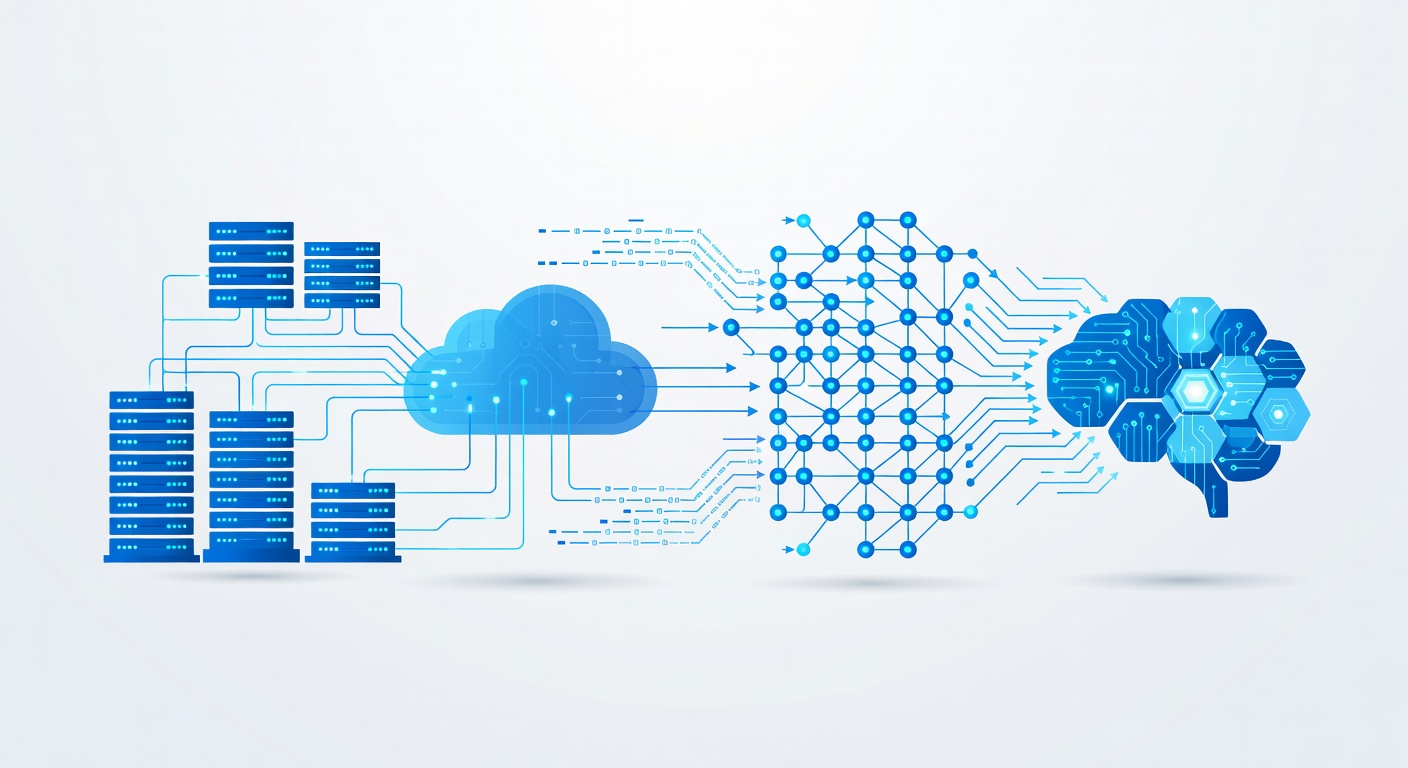
Instead of letting your coding agent operate purely on training data, give it the ability to search the current internet in real-time. When it needs to write code for the latest Next.js version, it searches for current docs. When it generates a database query, it checks what the current library API actually looks like. When it encounters something that might be time-sensitive—a breaking change, a security notice, a new pattern—it pulls live information.
This isn't about replacing the model's intelligence. The LLM is still doing the reasoning, the architecture design, the problem-solving. But now it has access to what's actually happening instead of what it memorized from old data.
Think of it like the difference between a brilliant software architect who hasn't checked the latest documentation versus one who has current references within arm's reach. Same talent, dramatically better output.
Integration That Doesn't Require PhD-Level Setup
The biggest barrier to grounding has always been integration complexity. Web search APIs typically require careful configuration, rate limit management, and infrastructure thinking. That overhead kills adoption for smaller teams and indie projects.
Modern AI platforms are starting to solve this with standardized protocols. The Model Context Protocol (MCP) that powers Claude, Cursor, and Windsurf allows agents to automatically discover and use web search capabilities as native tools. No custom configuration. No credential management headaches. Your agent just... knows how to search.
When you add a web search tool this way, the agent treats it like any other capability. When generating code, it reasons about whether live information would help. When it's uncertain, it searches. When it's confident about something fundamental, it proceeds without querying. The agent learns when external grounding matters.
The Pricing Problem Nobody Talks About
There's another angle here worth addressing: how you pay for these capabilities matters for AI agent economics.
Most search APIs charge per query. This creates perverse incentives. You're incentivized to minimize agent searches even when they'd improve output quality. You monitor usage nervously, hoping your agent doesn't query too aggressively. You set artificial restrictions because more searches mean more billing.
This is backwards. The agents that provide the most value are often the ones that run extensively—overnight batch jobs, continuous deployment tasks, research assistants that iterate heavily. Those high-volume use cases get punished hardest by per-query pricing.
A flat monthly rate flips this around. Your agent can search liberally, run all night, iterate without billing anxiety. You get predictable costs and better outputs. The vendor gets sustainable revenue based on actual value provided rather than artificial query limits.
Bringing It Together
The AI coding agent revolution isn't just about better models. It's about better information flow. Your agent needs to know what you know: what code patterns are current, what libraries are maintained, what security issues matter, what the latest best practices actually are.
Real-time web grounding, cleanly integrated into modern AI platforms, is how you close that gap. It transforms coding agents from clever but potentially dangerous knowledge bases into genuinely useful development partners.
The agents that will win over the next few years won't be the ones with the biggest models. They'll be the ones with the freshest information and the clearest connection to reality.
Key Takeaways
- LLM hallucinations cost time: Deprecated APIs, renamed methods, and outdated patterns are common when agents work from training data alone
- Grounding solves the core problem: Real-time web search gives agents access to current documentation, libraries, and best practices
- Integration matters: Standardized protocols like MCP make adding web search capability straightforward, not an infrastructure project
- Pricing shapes incentives: Flat-rate access rewards agents that search comprehensively, replacing per-query nickel-and-diming that discourages thorough grounding
- This is the next frontier: As agents become more central to development workflows, keeping them synchronized with reality becomes non-negotiable