Stop Repeating Yourself: How AI Memory Features Are Transforming Developer Workflows
Stop Repeating Yourself: How AI Memory Features Are Transforming Developer Workflows
We've all been there. You spend twenty minutes explaining to an AI assistant how you like your code formatted, what naming conventions your team follows, or how your specific deployment pipeline works. Then you start a new conversation, and you're back to square one—explaining it all over again.
The friction is real, and it's been a bottleneck for developers trying to streamline their AI-assisted workflows. But that's starting to change.
The Problem With Stateless AI Conversations
Traditional AI conversations are memoryless. Each new session is a fresh start. Your preferences, your architectural decisions, your formatting rules—they all vanish when you close the tab. For developers juggling multiple projects with different standards, this becomes exhausting quickly.
Think about it: How many times have you pasted the same configuration file, CSS framework preference, or TypeScript interface structure into an AI chat? How much productivity are you losing to context-switching and re-explaining yourself?
This is especially painful for teams using AI to accelerate development. If every team member has to individually teach the AI their standards, you're multiplying inefficiency across your entire organization.
Enter Persistent AI Memory Systems
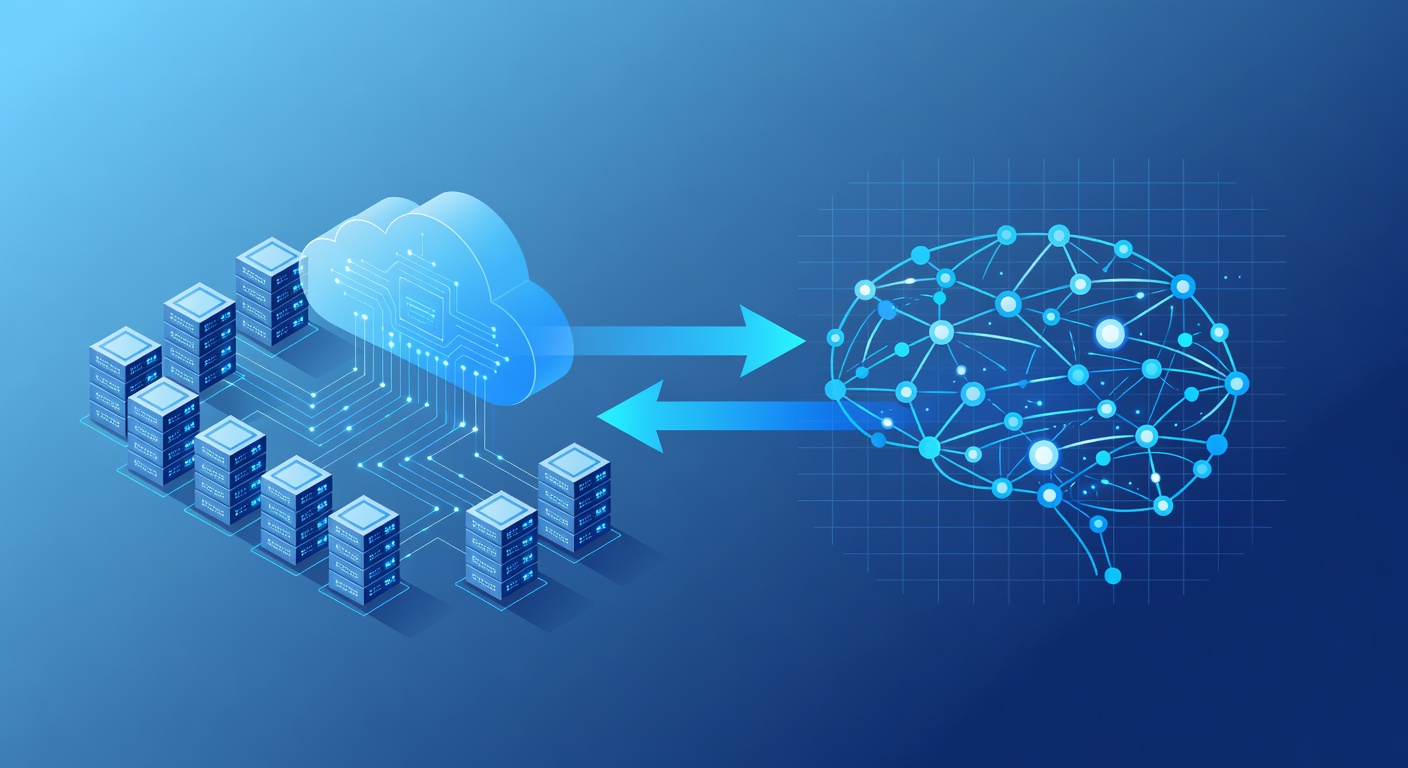
New AI platforms are solving this by introducing memory layers—sometimes called "skills," profiles, or persistent contexts—that let the AI remember who you are and what you care about.
The concept is straightforward but powerful: teach the AI something once, and it remembers across every conversation. Forever. No setup wizardry required.
What This Means for Your Workflow
Instant Customization: Instead of starting from a generic prompt, your AI assistant already knows your preferred tech stack, code style, and project architecture. It can generate boilerplate, scaffolding, or documentation that's already aligned with your standards.
Production-Ready Output: Whether you need a formatted deployment guide, infrastructure-as-code templates, or API documentation, the AI can generate work that's immediately usable—styled, structured, and ready to merge into your actual projects.
Knowledge Preservation: Those intricate formatting rules, the specific way your team structures microservices, the particular linting configuration you've perfected over years—capture that once as a skill, and it becomes institutional knowledge the AI carries forward.
Cross-Platform Continuity: Work on web, mobile, or desktop—your preferences follow you. The consistency you've built stays intact whether you're coding on your laptop or debugging on your phone.
The Developer Angle: Where This Gets Interesting
For developers specifically, persistent AI memory is a game-changer because coding is inherently opinionated. Your project structure, your testing patterns, your error handling philosophy—these aren't "better" or "worse" in absolute terms. They're yours, and they reflect your team's values and constraints.
An AI that understands your specific opinions can accelerate your work dramatically:
- Scaffold faster: Generate new components, services, or modules that already follow your conventions
- Onboard smoother: New team members can leverage shared AI skills to generate code that matches team standards immediately
- Iterate quicker: Refactor large codebases or restructure existing files using AI that already understands your architectural patterns
- Document automatically: Have the AI generate documentation that's styled and formatted exactly as your team expects
This is where AI shifts from "generic code generator" to "team member who actually knows how we work."
The Practical Implementation
Creating these persistent memory systems should be frictionless. The best approaches we're seeing:
Conversational creation: Simply describe what you want the AI to remember. "Remember that I always use async/await instead of promises" or "Remember my CSS naming convention is BEM."
File-based import: Upload your existing templates, style guides, or configuration files. The AI extracts the patterns and remembers them.
Live capture: As you work, ask the AI to save what it learned. Spent an hour perfecting a custom React hook pattern? Save it as a reusable skill.
The overhead should be near-zero. If setting up AI memory takes longer than the work it saves, it's not solving the problem.
For Teams and Organizations
At the organizational level, this becomes even more valuable. Imagine having centralized AI skills that encode your team's standards:
- Your specific TypeScript conventions
- Your preferred error handling patterns
- Your deployment checklist
- Your security review process
- Your code review standards
New developers inherit these patterns automatically. You're not just accelerating individual developers—you're scaling your team's institutional knowledge.
The Hosting and Infrastructure Angle
For those of us in the infrastructure and hosting world, this pattern has implications too. As you're managing multiple domains, configuring DNS records, setting up SSL certificates, or spinning up cloud infrastructure through platforms like NameOcean's hosting services, persistent AI assistants could remember:
- Your preferred DNS record structures
- Your SSL certificate renewal workflows
- Your infrastructure-as-code templates
- Your domain naming conventions
- Your security and compliance requirements
One less thing to repeat, one more thing automated.
What's Next?
We're likely to see this capability spread across more AI platforms. The question isn't whether AI memory will become standard—it will. The question is how intelligently different platforms implement it.
Look for:
- Better integration with your actual development tools (IDEs, version control, CI/CD platforms)
- Team-level skills that organizations can manage and update centrally
- Privacy controls that ensure your team's specific practices stay confidential
- Version control for skills, so you can iterate on your team's AI training just like you version code
The Real Win
At its core, this is about respecting developer time. Every minute you spend re-explaining yourself to a tool is a minute not spent building, thinking, or solving actual problems.
AI assistants with persistent memory let you focus on the high-value work—the creative problem-solving, the architectural decisions, the work that actually matters. The repetitive context-setting? That's finally automated.
And that's the kind of AI integration worth getting excited about.
Ready to streamline your development workflow? Pair AI-assisted development with reliable infrastructure—whether that's managing your domains through NameOcean or building on our AI-powered Vibe Hosting platform. The best developers don't just code smarter; they automate the tedious parts and focus on what they do best.