Securing AI Code Agents: Why You Need a Safety Layer for Your AI Developers
The AI Coding Agent Problem Nobody's Talking About
You've probably noticed the hype around AI coding assistants. They're fast, they're smart, and they're getting better at understanding complex codebases. But here's the uncomfortable truth: when you let AI agents write code autonomously—especially in production environments—you're essentially giving a powerful tool unsupervised access to your infrastructure.
This is where most teams fumble. They integrate GitHub Copilot or other AI-powered development tools into their workflow, celebrate their productivity gains, and then... hope nothing goes wrong.
Why Autonomous Code Generation Needs Oversight
Let's be practical. AI agents operating without constraints can:
- Generate code that bypasses your security standards - An AI might create efficient code that doesn't follow your authentication patterns
- Introduce compliance violations - Unmonitored agents could generate code that violates HIPAA, GDPR, or SOC 2 requirements
- Create hidden dependencies - AI-generated code sometimes introduces subtle vulnerabilities in supply chain management
- Leave audit trails incomplete - How do you prove what changed and why if autonomous agents made the modifications?
The solution isn't to stop using AI agents. It's to build intelligent guardrails around them.
Introducing Runtime Security for Code Generation
This is where Falco's approach becomes interesting. Falco is already the industry standard for runtime security monitoring—tracking suspicious system calls, unauthorized process execution, and anomalous behavior in containerized environments. Now, the security team is extending that philosophy to AI coding agents through a policy and visibility framework.
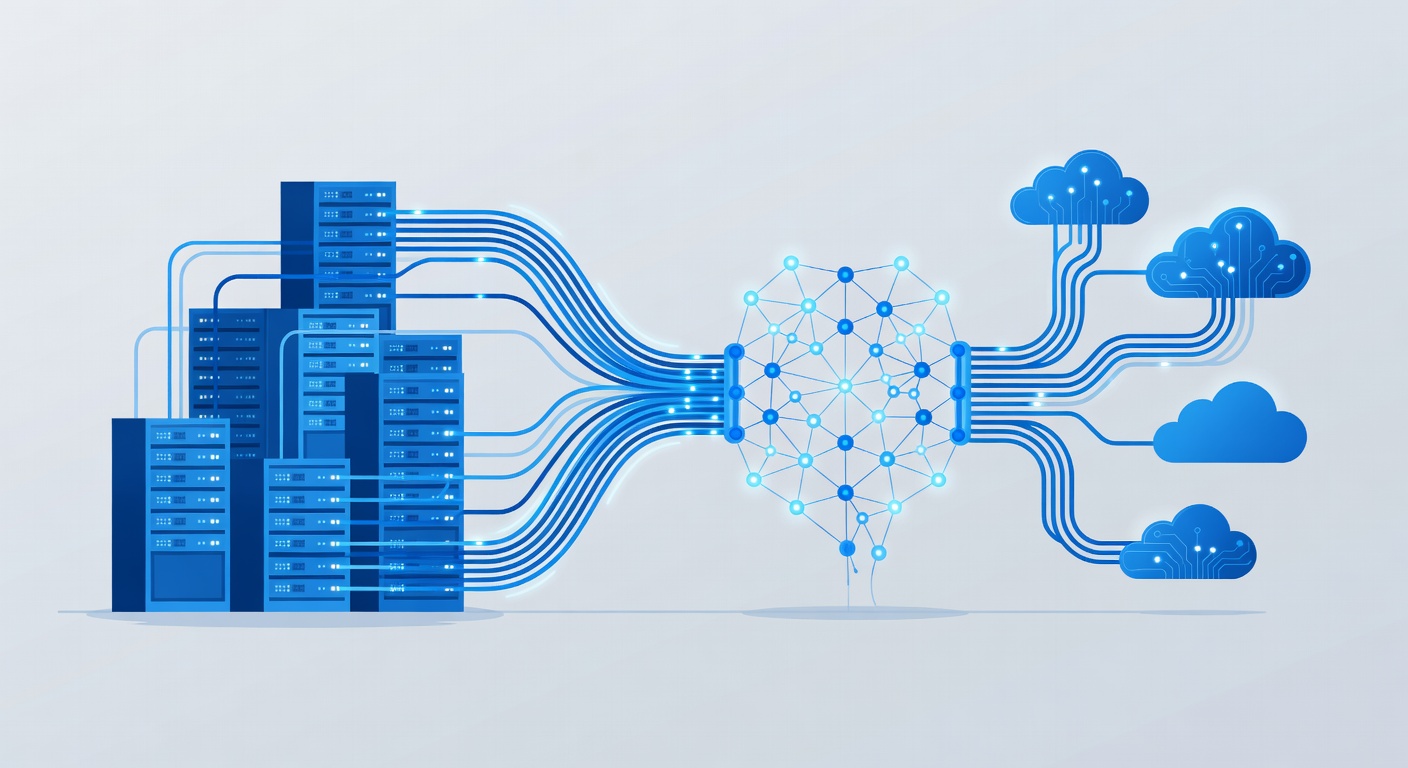
Think of it as a security layer that sits between your AI agent and your codebase. It doesn't prevent the agent from working; it observes everything the agent does and enforces policies in real-time.
What This Framework Does
Policy Enforcement: Define rules for what your AI agents can and cannot do. Can they modify authentication code? Should they avoid certain directories? Are there file types they shouldn't touch? You set the boundaries.
Real-Time Visibility: Every action the AI agent takes gets logged and monitored. You're not flying blind. You can see exactly what code was generated, where it was placed, and whether it violated any policies.
Audit Compliance: When regulators ask "how did this code get written and who approved it?", you have answers. AI agents get tracked just like human developers.
Behavioral Anomaly Detection: If an AI agent suddenly starts acting outside its normal patterns—trying to access credential stores or modifying deployment configurations—the system flags it immediately.
How This Works in Your Development Pipeline
Imagine this workflow:
- Your AI coding agent is tasked with optimizing a database query in your Node.js microservice
- The framework's policy engine receives the request and checks: is this agent authorized to modify database-related code?
- The agent generates optimized code and attempts to commit it
- The visibility layer captures the change, verifies it matches your organization's code standards, and checks against compliance policies
- If something looks off—maybe the agent tried to add undocumented dependencies or bypass rate limiting—an alert fires before the code reaches your repository
- Everything gets logged for audit purposes
This isn't about distrust. It's about operational sanity.
The Bigger Picture: AI Safety in Cloud Native Development
We're entering an era where your development tools have agency. They can read your codebase, understand requirements, and autonomously write code. That's powerful—and it requires a new layer of operational discipline.
At NameOcean, we're watching this space closely because it intersects with how we think about cloud infrastructure. Your domain infrastructure, your DNS records, your SSL certificates—these are increasingly managed by infrastructure-as-code tools that might themselves be enhanced with AI. The same principles apply: visibility and policy enforcement.
Getting Started
If you're running AI coding agents in production or planning to scale them:
- Audit your current AI agent implementations - What policies do you have today? (Be honest: probably "none")
- Define boundaries - What can your AI agents modify? What's off-limits?
- Implement monitoring - You can't manage what you don't measure
- Test before deploying - Run your policies through staging environments first
- Keep humans in the loop - Especially for critical infrastructure changes
The Development Velocity Trade-Off
Some teams worry that adding security layers will slow down AI agents. Here's the counterintuitive reality: clear policies actually make AI work more efficiently. An agent that knows exactly what it can do operates faster and makes better decisions. It's the difference between painting a wall with no guidance versus painting it with clear boundaries.
Looking Forward
As AI coding assistants become table stakes in modern development, the security layer won't be optional—it'll be expected. Your cloud infrastructure needs to trust but verify. Your codebase needs to be auditable. Your policies need to be enforceable.
The teams that get ahead of this trend—the ones implementing policy and visibility frameworks now—will have a massive advantage when AI agent usage becomes widespread.
What policies would you prioritize for your AI coding agents? That's worth thinking about today, before you need the answer tomorrow.
Want to learn more? Check out the Falco Security project and consider how runtime security principles apply to your AI-assisted development workflows. And if you're managing cloud infrastructure and AI tools together, ensure your DNS, SSL, and domain infrastructure are protected with the same rigor you'd apply to your code.