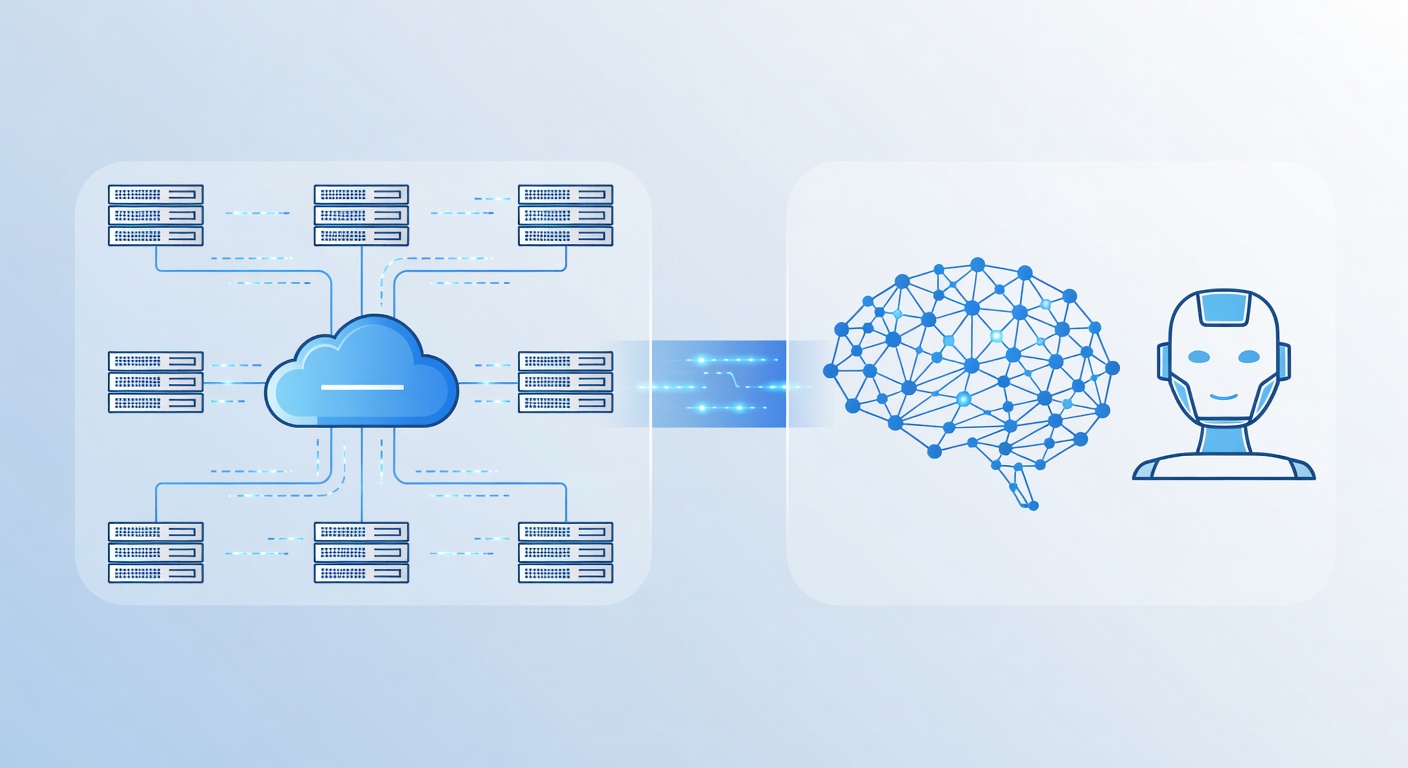
Orchestrating AI Coding Agents: The Rise of Mission Control Platforms
The AI Coding Agent Revolution (And Its Growing Pains)
We've reached an interesting inflection point in software development. AI assistants can now generate entire functions, refactor codebases, and suggest architectural improvements faster than any human developer could manually type them out. GitHub Copilot, Claude with extended context windows, and specialized coding agents are reshaping how we write software.
But here's the catch: more power requires more oversight.
When you let an AI agent loose on your codebase without guardrails, you're essentially handing over the keys to someone who doesn't fully understand your project's context, your team's conventions, or your business logic. That's where mission control platforms come in.
What Is Mission Control for AI Agents?
Think of a mission control platform as air traffic control for your AI coding agents. Just like air traffic controllers don't fly the planes themselves—they coordinate, monitor, and redirect them—a good mission control system doesn't replace your AI agents; it manages them.
A robust mission control layer provides:
Real-Time Monitoring: Watch your AI agents as they work. See what decisions they're making, which files they're modifying, and whether they're staying within acceptable parameters.
Governance & Guardrails: Define boundaries for what your agents can and cannot do. Restrict access to sensitive files, production databases, or security-critical code paths. Set approval workflows for high-risk changes.
Audit Trails: Every AI-generated commit should be traceable. Who triggered it? What was the prompt? What changed? This becomes crucial for compliance and debugging.
Human-in-the-Loop Workflows: Not every decision needs human approval, but the critical ones should. Mission control lets you define which changes require review before merging.
Rollback & Recovery: When (not if) an AI agent makes a mistake, you need quick recovery mechanisms. Good mission control includes version control integration and the ability to revert changes instantly.
Why This Matters for Your Stack
For startups and development teams using NameOcean's cloud hosting or managing multiple deployments, this becomes even more critical. Your AI agents might be:
- Provisioning infrastructure and modifying DNS records
- Updating SSL certificate configurations
- Deploying code across multiple environments
- Modifying database schemas
Any of these can have real consequences if they go wrong. A mission control platform acts as that essential safety layer between your AI's capabilities and your production environment's stability.
The Developer Experience Angle
Here's what makes this genuinely interesting: a well-designed mission control platform should accelerate your workflow, not slow it down.
Instead of reviewing every single change an AI makes, you establish trust through patterns. An agent that consistently makes high-quality changes in low-risk areas? Reduce oversight. An experimental agent working in unfamiliar territory? Increase scrutiny. The system learns and adapts.
This is different from traditional CI/CD pipelines. Those are reactive—they catch problems after they've been committed. Mission control is proactive—it prevents problems before they happen while still preserving the speed advantage that makes AI-assisted development so compelling.
Building Your Own Mission Control
If you're considering implementing or contributing to an open-source mission control platform, here are the non-negotiables:
1. Transparency: Every agent action should be visible and explainable. No black boxes.
2. Flexibility: Different teams have different risk tolerances. The system should adapt to your security posture, not impose one.
3. Integration: It needs to play nicely with your existing tools—GitHub, GitLab, your cloud provider, your monitoring stack.
4. Performance: Mission control shouldn't become a bottleneck. Async workflows, intelligent batching, and smart caching are essential.
5. Auditability: Every decision, every override, every approval should be logged for compliance and learning purposes.
Looking Ahead
The future of software development isn't "humans vs. AI"—it's "humans + AI working effectively together." That requires infrastructure that lets developers maintain control while unlocking AI's full potential.
Whether you're hosting your projects on cloud infrastructure, managing complex DNS configurations, or deploying across multiple environments with NameOcean, having proper oversight of your AI agents is no longer a luxury—it's rapidly becoming a necessity.
The teams that get this right will move faster, with more confidence, and fewer late-night production incidents. That's worth paying attention to.