Orchestrating AI Coding Agents: The Future of Multi-Model Development Workflows
The Multi-Model Dilemma
We're living in an interesting moment for AI-assisted coding. Each major language model brings distinct strengths to the table—Claude excels at reasoning, Gemini shines with multimodal understanding, and Codex provides specialized code completion. But here's the catch: most developers are stuck picking one favorite and hoping it covers their needs.
What if that's the wrong approach entirely?
Beyond Single-Model Thinking
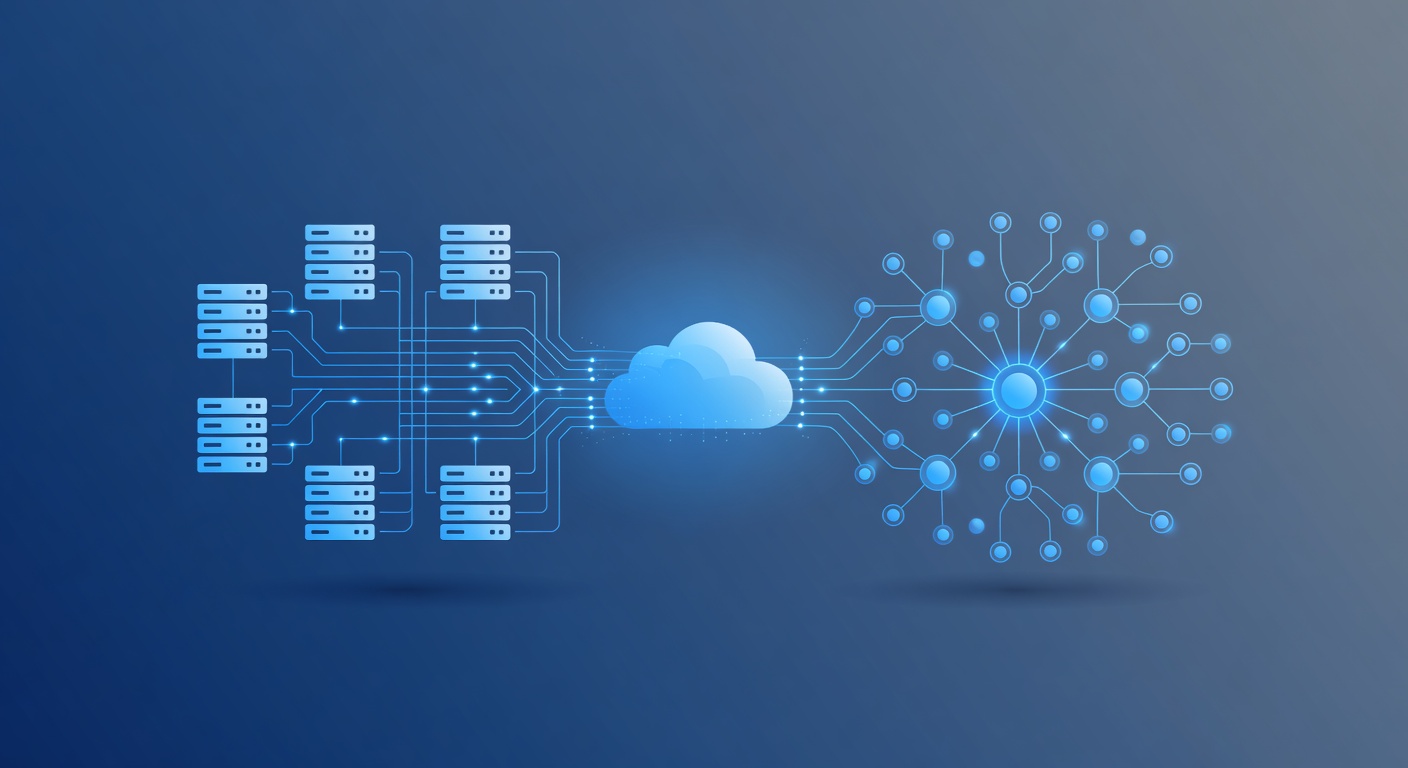
The real power lies in orchestration. Instead of toggling between different AI interfaces or maintaining separate workflows for different models, modern development environments are evolving to manage multiple AI agents in parallel.
Think about your typical development session:
- You're jumping between research, coding, testing, and debugging
- Different problems might benefit from different model strengths
- Context gets lost when you switch tools
- Integrating AI suggestions with version control requires manual work
This fragmentation wastes cognitive load and breaks flow state—arguably the most valuable resource for any developer.
What Does Orchestration Look Like?
A proper delegation environment for AI agents handles several critical functions:
Unified Context Management: Instead of copy-pasting code snippets into separate tools, a unified environment injects relevant context automatically. Your git history, current file state, and project structure stay synchronized across all agent sessions.
Parallel Model Capabilities: Run Claude for architectural decision-making while Gemini analyzes visual design systems and Codex generates boilerplate—all within the same workflow. Each agent works on what it does best.
Git-Native Integration: Orchestration happens across git worktrees, meaning different branches, experiments, and feature developments can maintain isolated AI agent sessions. This prevents cross-contamination and makes collaboration smoother.
Embedded Terminal Bridges: Rather than switching between your IDE, terminal, and AI interface, an integrated terminal layer lets agents execute commands, validate suggestions, and learn from real-time feedback. This closes the loop between AI reasoning and actual results.
Workflow Automation That Actually Works
Here's where it gets powerful: with multiple agents coordinated across your codebase, you can automate complex workflows that no single tool could handle.
Imagine this scenario:
- Claude analyzes your architecture and suggests refactoring patterns
- Codex generates the implementation across multiple files
- Gemini reviews the visual output (if applicable) for consistency
- An automated test suite validates the changes
- All modifications are committed with generated documentation
Each step feeds into the next. Errors trigger rollbacks. Context flows naturally. This isn't just faster—it's qualitatively different from how developers have traditionally worked.
Why This Matters for Your Infrastructure
At NameOcean, we see these patterns extending beyond local development. As your applications scale and deploy across cloud infrastructure, the same orchestration principles apply to your deployment environments.
Consider how orchestration changes your workflow:
- Consistency: Multiple agents following the same architectural principles reduces drift
- Speed: Parallel processing of different development concerns cuts iteration time significantly
- Auditability: Every agent action is tracked and can be reviewed, crucial for compliance-heavy projects
- Scalability: As your codebase grows, agent coordination becomes more valuable, not less
The Practical Reality Check
This isn't science fiction. Tools are emerging today that make this possible. The key ingredients are:
- Model diversity: Access to multiple API endpoints (Claude, Gemini, Codex, and others)
- State management: Sophisticated tracking of context across sessions
- Integration depth: Not just API calls, but real integration with your development environment
- Feedback loops: Agents learning from successful vs. failed outputs
Looking Forward
The future of coding isn't about one perfect AI model. It's about intelligent orchestration of specialized agents working in concert. The developers who master this transition—who learn to think in terms of agent delegation rather than tool switching—will gain enormous productivity advantages.
The workflow you're using today will feel as dated as manually managing DNS records without a control panel.
Getting Started
If you're curious about exploring this approach, start small:
- Pick a complex feature you're working on
- Identify 2-3 AI models that bring different strengths
- Map out where each excels in your workflow
- Experiment with delegating specific tasks
The overhead of learning a new tool is worth it if it eliminates hours of context switching and manual integration.
Your future development environment won't ask you to choose between Claude, Gemini, or Codex. It'll orchestrate all of them, perfectly tailored to your specific needs.
That's not the future—that's the present, waiting to be adopted.