Multi-Agent Documentation: The Future of Auto-Generated Technical Docs
Multi-Agent Documentation: The Future of Auto-Generated Technical Docs
Documentation is the unsung hero of good software. It's also the most consistently neglected one.
Every developer knows the struggle: your codebase evolves, but your docs lag three sprints behind. You've probably faced the choice between updating docs or shipping features—and we all know which one usually wins. What if there was a third option?
The Problem With Traditional Documentation Workflows
Let's be honest about how documentation usually gets created:
- A junior developer (or worse, someone on rotation) gets assigned the task
- They reverse-engineer what the code actually does
- They write it once, and it slowly rots
- Six months later, someone discovers an entire endpoint nobody documented
This linear approach doesn't scale. It's like hiring one person to manually test your entire application when you could be running parallel test suites.
Enter: AI Agent Fleets
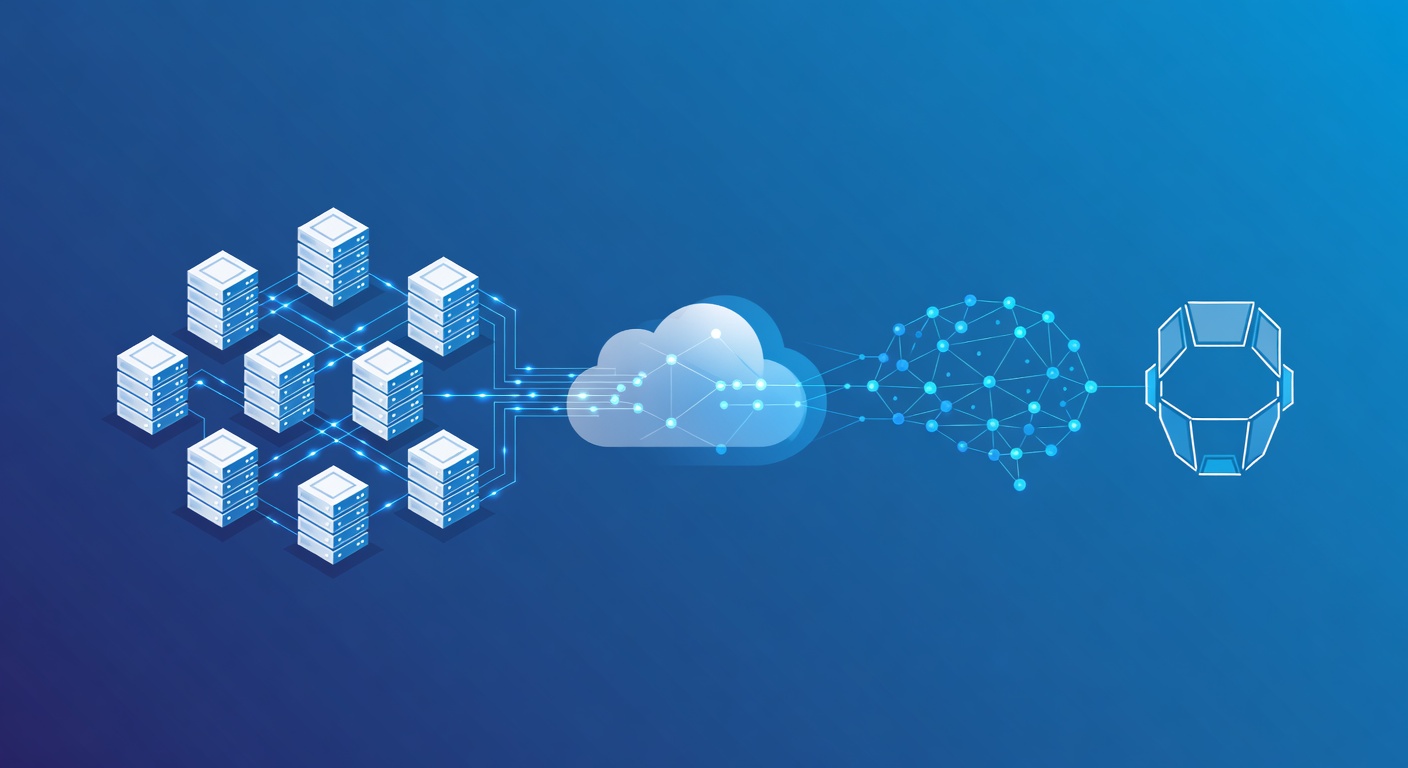
What's revolutionary here is the concept of deploying multiple AI agents working in concert, each with a specific purpose:
The Code Parser Agent reads your repository structure and extracts function signatures, class definitions, and API endpoints automatically.
The Example Generator Agent creates realistic, executable code samples for each documented feature. These aren't generic snippets—they're contextually relevant demonstrations.
The Quality Assurance Agent reviews generated documentation against your actual codebase, flagging inconsistencies and outdated information.
The Formatter Agent ensures consistency across tone, style, and technical depth.
The Integration Agent automatically pushes updates to your docs site, versioning them appropriately.
Instead of one person moving through documentation linearly, you have a team of agents working in parallel—each operating at machine speed.
Why This Matters for Your Stack
If you're building with modern infrastructure—especially if you're leveraging cloud hosting platforms or managing complex DNS configurations—your documentation challenges multiply. Your API documentation needs to reflect your actual endpoints. Your SSL/TLS configurations need clear setup guides. Your DNS records need accurate troubleshooting steps.
At NameOcean, we see teams struggling with this exact problem. They're managing domains, setting up hosting environments, configuring SSL certificates, and their documentation is scattered across Notion, old wikis, and that one engineer's brain.
Multi-agent documentation systems can generate:
- Domain configuration guides specific to your infrastructure
- SSL certificate setup walkthroughs with actual validation steps
- DNS record explanations tailored to your specific architecture
- Cloud hosting best practices based on your environment
The Technical Magic
This approach works because modern AI models excel at different tasks when given specialized instructions. Rather than asking one model to handle everything (generating docs, checking accuracy, formatting, and publishing), you're orchestrating a workflow:
Code Changes → Parser Agents → Content Generation → QA Verification → Publishing
       ↓           ↓                ↓                    ↓              ↓
    Webhook      Structures     Raw Content        Cross-checks    Live Site
Each agent maintains state and can reference other agents' outputs. If the QA agent finds a problem, it routes back to the content generator with specific feedback. The system learns and improves.
Real-World Applications
For SaaS platforms: Generate API documentation that updates automatically with each release. Your changelog and docs stay synchronized.
For open-source projects: Community contributors get consistent documentation standards without manual review cycles.
For internal tools: Teams managing infrastructure (DNS, SSL, hosting) can auto-generate operational runbooks that stay current.
For startups: Ship documentation quality that looks enterprise-grade, without enterprise-grade effort.
The Practical Setup
The beauty of this approach is that it's accessible. You're not building quantum computers here. Modern tools like this one combine:
- LLM APIs (GPT-4, Claude, or similar)
- AST parsing to understand code structure
- Orchestration frameworks to coordinate agent workflows
- Version control integration to detect changes
If you're already using AI-assisted development tools (which, let's face it, most modern shops are), adding documentation agents is a natural extension.
The Future of Developer Experience
Here's what excites us: documentation doesn't have to be a chore anymore. It doesn't have to be a bottleneck. It doesn't have to be outdated before it's published.
With multi-agent systems, documentation becomes emergent—a natural byproduct of your development process, not something you do to your development process.
For teams managing complex infrastructure at places like NameOcean, this means clearer guides for DNS management, better SSL certificate documentation, and more intuitive hosting configuration walkthroughs. It means your customers spend less time reading cryptic docs and more time actually using your platform.
Next Steps
If you're curious about implementing this in your workflow:
- Audit your current documentation - Where are the biggest gaps? What changes most frequently?
- Identify repetitive patterns - What documentation patterns could be automated?
- Start small - Maybe begin with API documentation before tackling everything
- Integrate with your infrastructure tools - Hook into your domain registrar, hosting provider, or cloud platform APIs
The agents are ready. The question is: are you ready to stop writing documentation manually?