Managing Multiple AI Coding Agents: The Control Plane Revolution
Managing Multiple AI Coding Agents: The Control Plane Revolution
If you've been following the rapid evolution of AI-assisted development, you've probably noticed something: there's no shortage of powerful coding assistants flooding the market. Codex, OpenCode, CommandCode, Hermes—each brings unique strengths to the table. But here's the problem nobody talks about: managing them all simultaneously is a logistical nightmare.
The Multi-Agent Problem
Developers today face a genuine operational challenge. You might use one AI agent for code generation, another for CLI command suggestions, and yet another for optimization tasks. Each runs in its own environment. Each has its own logging. Each requires context-switching.
The friction is real:
- Context loss between different agent sessions
- Scattered logs across multiple locations and formats
- Workflow interruptions moving between terminal windows and web interfaces
- No unified visibility into what's actually happening across your AI stack
This isn't a technical limitation—it's an organizational one. Your tools aren't talking to each other.
Enter: The Control Plane Pattern
The concept of a control plane isn't new in infrastructure (hello, Kubernetes). But applying it to AI-assisted development workflows? That's where things get interesting.
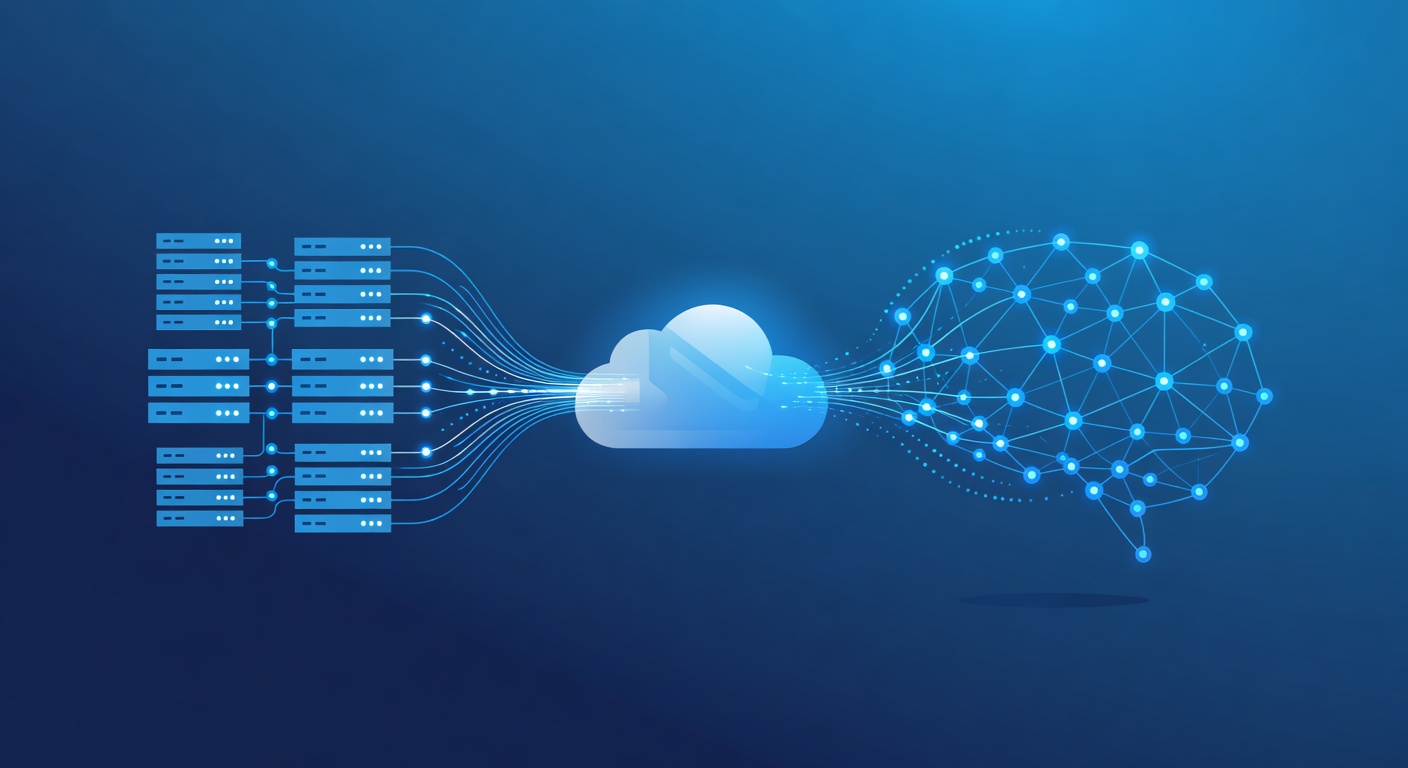
A unified control plane for your coding agents accomplishes something elegant: it gives you a single source of truth. One tmux session manages everything. One .logs/ directory contains your entire operational history. Everything flows through a centralized system that understands how your agents interact.
Think of it like air traffic control for your AI assistants. Each agent has its runway, its communication protocol, but the tower knows exactly what's happening.
Single Source of Truth
The .logs/ directory pattern matters more than it sounds. Rather than piecing together logs from:
- Different cloud providers
- Various agent APIs
- Multiple terminal sessions
- Scattered web dashboards
You get one queryable, auditable, reproducible record of everything your AI agents did. This is invaluable for:
Debugging: When something goes wrong, you have complete context Reproducibility: You can replay exactly what happened and why Compliance: Audit trails become straightforward Learning: You can analyze patterns in how your agents behave
Unified Interfaces, Flexible Access
Here's where it gets practical. Your control plane shouldn't force you into a single interface. Some developers thrive in the terminal. Others prefer web dashboards. Why choose?
A modern control plane offers both:
- Terminal-native workflows for keyboard-driven developers who live in their editor
- Web frontends for teams that need visibility and collaboration features
- Flexible switching between interfaces without losing context
You're not forced into a single paradigm. You work how you work best, while everything stays synchronized underneath.
Building on Solid Infrastructure
Using tmux as the foundation is actually clever. It's battle-tested, runs everywhere, and developers already understand how it works. You're not learning a new tool—you're extending one you know.
This is the difference between a control plane that feels native and one that feels like overhead. When your orchestration layer uses the primitives developers already leverage, adoption becomes frictionless.
What This Enables
Once you've consolidated your AI agents under a unified control plane, interesting possibilities emerge:
Cross-agent reasoning: You can design workflows where agents hand off tasks intelligently based on their specific strengths
Reduced latency: No context switching means faster iterations and less cognitive overhead
Better resource utilization: You can see bottlenecks and load-balance across agents more intelligently
Team collaboration: Shared logging and visibility means engineers can work together on AI-assisted development tasks more effectively
The Broader Implication
This represents a shift in how we think about developer tooling. As AI coding assistants become more capable and more numerous, the coordination problem grows. Solutions that solve this elegantly won't just be nice to have—they'll be essential infrastructure.
The teams that get this right will move faster. They'll have better visibility into their AI-assisted workflows. They'll spend less time fighting their tools and more time shipping code.
Looking Forward
We're in the early days of AI-assisted development maturity. Right now, many teams are cobbling together workarounds and shell scripts. But the pattern is clear: unified control planes for distributed agents will become standard practice.
Whether you're running multiple Codex instances, OpenCode agents, or rolling your own with the latest models, the architectural pattern remains powerful: one orchestration layer, one source of truth, accessible through the interfaces that fit your workflow.
The future of development isn't about having the most AI agents. It's about orchestrating them elegantly.
At NameOcean, we believe infrastructure should work with you, not against you. Whether you're building on our Vibe Hosting platform with AI-assisted development or managing complex distributed systems, the principle remains: good architecture means less friction, more focus, and faster shipping.