Managing AI Coding Chaos: Building Better Workflows with Smart Provider Routing
The AI Coding Paradox
Here's a paradox we're living in: AI has made developers more productive, yet we're busier than ever. You've got Claude for complex architecture decisions, ChatGPT for quick snippets, local models for privacy-sensitive work. Add in your terminal sessions, browser tabs, and IDE windows, and suddenly your workflow feels like air traffic control during a thunderstorm.
The real problem? Context switching. Every time you jump between AI providers, you lose momentum. Every time you're unsure which model you're currently using, you waste precious mental cycles.
The Provider Router Solution
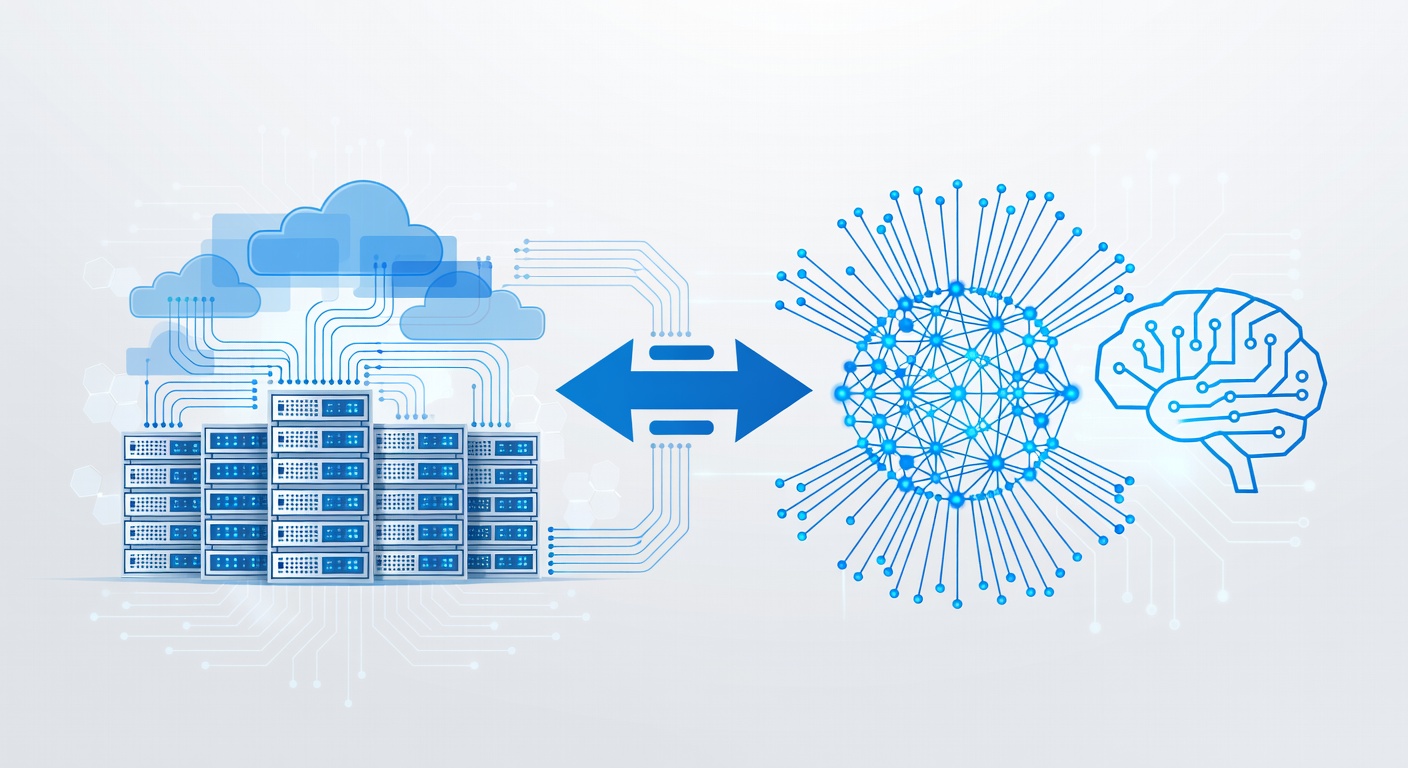
Imagine if your development environment could intelligently route your queries to the right AI provider automatically. That's exactly what modern provider routing tools are attempting to solve.
Why this matters:
- Cost Optimization: Route expensive operations to cheaper models, reserve premium providers for genuinely complex tasks
- Performance: Use faster providers for simple completions, more capable models for architecture discussions
- Context Preservation: Maintain conversation history across providers without starting from scratch
- Fallback Intelligence: If your primary provider is rate-limited, automatically switch to a backup
At NameOcean, we see this pattern everywhere. Teams building infrastructure-as-code want deterministic models for configuration, but need creative AI for documentation. A smart router handles both without manual intervention.
Visual Clarity in Your Terminal
Here's something developers often overlook: your terminal is your window into chaos. When you've got six SSH sessions running, five Docker containers, and three AI processing pipelines, visual distinction becomes critical.
Color-coded terminal tabs aren't just aesthetic—they're cognitive anchors. Your brain instantly recognizes "blue = production", "red = AI provider calling", "yellow = local testing". This tiny UI improvement prevents the real production disaster: accidentally running a test query against your live Claude credits.
The Burn Framework: Pressure as a Feature
The most intriguing aspect of modern AI coding workflows is how they handle pressure—both real time pressure and computational pressure.
Burn AI approaches this differently. Instead of hiding complexity, it exposes it:
- Real-time cost tracking for API calls
- Token usage monitoring across providers
- Workflow bottleneck identification
- Latency profiling by provider
This isn't just monitoring—it's tension visualization. When you see your daily Claude budget burning at 2x the expected rate, you investigate. When a particular operation consistently takes 15 seconds, you optimize.
Building Your Own Workflow Stack
If you're considering implementing similar tools, here's what actually works:
1. Standardize Provider Interfaces Don't let providers dictate your workflow. Create a thin abstraction layer so swapping providers requires changing one configuration file, not refactoring your entire codebase.
2. Instrument Everything You can't optimize what you don't measure. Log which provider handled each request, track latency, monitor costs. Use this data to make informed routing decisions.
3. Make Failures Visible When an AI provider fails, make it obvious. Color changes, notifications, automatic fallbacks—but never silent failures. Silent failures breed bad data and worse decisions.
4. Version Your Prompts Your prompts are code. Treat them that way. When you upgrade to a new model, keep the old prompt version available. Compare outputs. Understand what changed.
Integration with Your Stack
The beauty of these tools is they sit in the infrastructure layer. They don't care if you're using:
- Next.js with AI features
- Python scripts for data processing
- Go microservices with intelligent routing
- Infrastructure management with Claude-assisted deployment
At NameOcean, we've seen teams integrate provider routing directly into their vibe hosting setup, so AI-assisted deployments automatically route based on complexity and resource availability.
The Future: Workflows, Not Just Tools
We're moving past "pick an AI provider" toward "build an AI workflow."
This means:
- Intelligent Cascading: Start simple, escalate complexity as needed
- Provider Diversity: Use specialized models for specialized tasks
- Cost-Aware Computing: Let pricing inform architecture decisions
- Transparent Operations: Everyone on the team understands which AI is doing what
The developers who'll thrive in 2024 aren't those with access to the most powerful AI—they're those with the best systems for using AI effectively.
Getting Started
If you're ready to optimize your AI-assisted development:
- Audit your current AI provider usage. Which tasks use which models?
- Identify your pain points. Where does context switching cost you most?
- Implement provider abstraction gradually. Start with one project.
- Monitor religiously. Let data guide your routing decisions.
- Iterate based on team feedback.
Tools like provider routers and workflow optimization frameworks are no longer nice-to-haves—they're essential infrastructure for teams serious about AI-assisted development.
The goal isn't to burn through your AI budget faster. It's to burn through your development backlog smarter.