Letting AI Code Agents Into Your Infrastructure: A Practical Guide to Secure Server Access
Letting AI Code Agents Into Your Infrastructure: A Practical Guide to Secure Server Access
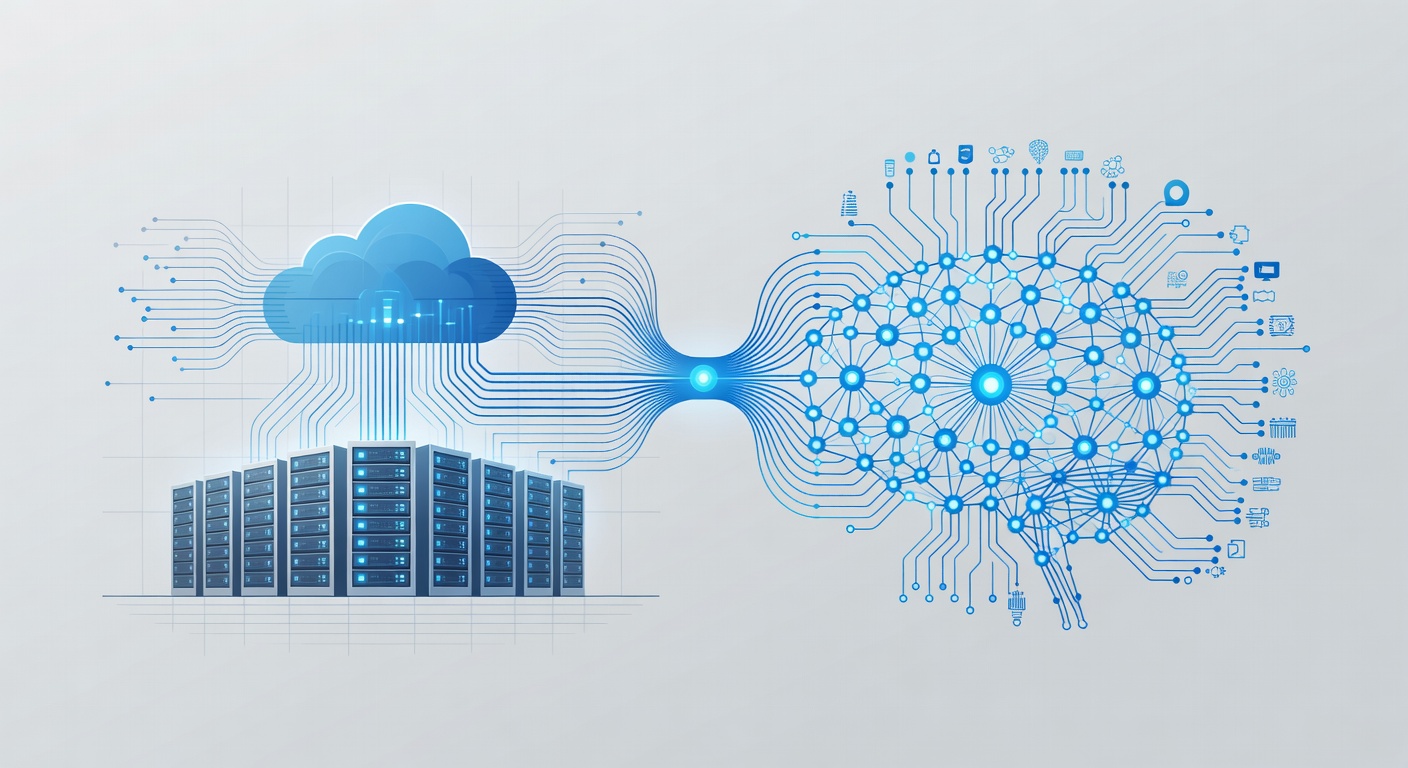
The promise of AI-assisted development has evolved dramatically over the past year. We've moved beyond ChatGPT suggesting code snippets to full autonomous agents that can understand your architecture, write code, test it, and deploy changes. But with this power comes a critical question: how do you safely grant an AI agent access to your actual servers?
The Evolution of AI in Development
Remember when code completion was considered the cutting edge? Now we're talking about autonomous agents that can analyze your entire codebase, understand your infrastructure, and make intelligent decisions about deployments. Projects like Pi-hosts represent the frontier of this movement—enabling developers to give code agents meaningful access to their infrastructure while maintaining security controls.
This isn't science fiction anymore. It's happening in real development workflows, and it's forcing us to rethink our approach to access management, security protocols, and automation workflows.
The Challenge: Trust Without Blind Faith
Here's the core tension: you want your AI coding agent to be useful. That means it needs real permissions, real access, and the ability to make changes. But you also don't want to hand over the keys to your kingdom. One misconfigured instruction or logical error could lead to unintended consequences across your infrastructure.
Traditional solutions like shared credentials or overly permissive access policies create obvious vulnerabilities. What we need instead is a granular, auditable approach where:
- Access is scoped: The agent can only touch what it needs to touch
- Actions are logged: Every change is recorded and traceable
- Permissions are time-limited: Access expires and requires renewal
- Rollback is possible: Changes can be undone if something goes wrong
Building the Right Framework
The projects emerging around AI agent infrastructure access share common patterns. They typically involve:
1. Authentication & Authorization Rather than giving agents your actual SSH keys or API tokens, use temporary credentials that expire and rotate. OAuth tokens, short-lived certificates, or specialized agent credentials provide better audit trails than traditional shared secrets.
2. Sandboxed Execution Consider running agent operations in isolated environments first. This might mean deploying to a staging environment, running automated tests, and requiring human approval before production changes.
3. Intelligent Rate Limiting Prevent runaway agents from exhausting resources or making cascading changes. Rate limits on API calls, deployment frequency, and resource provisioning act as safety rails.
4. Rich Logging & Observability Every decision an agent makes should be logged. Better yet, log the reasoning behind those decisions. This helps you understand what went wrong when something inevitably does.
Real-World Implications for Your Stack
If you're hosting on NameOcean's Vibe Hosting or managing cloud infrastructure elsewhere, consider how agent access fits into your broader architecture:
For Domain Management: Agents could automatically renew domain registrations, update DNS records based on infrastructure changes, or manage SSL certificate renewals. This is relatively low-risk if scoped properly.
For Container Orchestration: An agent with read-only access to your Kubernetes cluster can analyze deployments and suggest optimizations. Write access should remain restricted to specific, pre-approved scenarios.
For CI/CD Pipelines: This is where agents shine. They can create pull requests, run tests, and trigger deployments through your existing pipeline. The pipeline itself becomes the safety mechanism.
The Security Principle: Least Privilege Evolved
The principle of least privilege has been around for decades, but AI agents require a more sophisticated implementation. Consider:
- Capability-based access: Instead of role-based access, define exactly what operations an agent can perform
- Temporal constraints: Access valid only during specific windows or for specific projects
- Resource quotas: Limit compute, storage, and API call costs the agent can incur
- Approval workflows: Require human sign-off for sensitive operations
Getting Started Responsibly
If you want to experiment with giving AI agents infrastructure access:
- Start small: Grant access to non-critical systems first
- Monitor extensively: Implement detailed logging from day one
- Set boundaries: Define hard limits on what agents can do
- Test thoroughly: Simulate failure scenarios before production use
- Review regularly: Audit agent actions weekly and adjust permissions as needed
The Bigger Picture
This trend toward autonomous agents isn't going away. It represents genuine productivity gains for development teams—faster deployments, fewer manual tasks, 24/7 availability for certain operations. The question isn't whether to adopt this technology, but how to do it safely.
The projects and frameworks emerging in this space are valuable because they're wrestling with these hard problems publicly. They're establishing patterns and best practices that the broader industry can learn from.
Looking Forward
As AI coding agents become more capable, the infrastructure tooling will evolve alongside them. We'll see better frameworks for expressing constraints, more sophisticated audit trails, and tighter integration between agents and development workflows.
For now, the key is to approach this with both excitement and caution. AI agents can dramatically accelerate your development velocity—but only if you build the guardrails that let you trust them with real access to real infrastructure.
The future of development isn't about removing humans from the loop. It's about intelligent partnership between human developers and AI agents, with clear boundaries and robust safety mechanisms.