Keeping Your AI Agents in Check: Why Desktop Guardrails Matter More Than Ever
Keeping Your AI Agents in Check: Why Desktop Guardrails Matter More Than Ever
The promise of AI agents is intoxicating. Imagine autonomous systems that can execute tasks, make decisions, and interact with your infrastructure without constant human supervision. But here's the uncomfortable truth: with that autonomy comes risk.
An AI agent given access to your database deletion tools, payment processing APIs, or critical infrastructure controls isn't just powerful—it's dangerous if something goes wrong. And things do go wrong.
The Problem: Speed Meets Risk
When you're deploying AI agents at scale, milliseconds matter. So does safety. But until recently, developers faced an impossible choice: build rigid safety systems that slow everything down, or move fast and hope nothing breaks.
This is where the guardrails conversation gets interesting. SigmaShake Desktop tackles this by offering something developers have been asking for: a way to intercept and block destructive AI tool calls in under 2ms. That's not slow. That's imperceptible.
Think about it practically. Your AI agent might be trained to call a function like delete_user_accounts() or transfer_funds(). With proper guardrails in place, you can:
- Whitelist specific actions your AI is allowed to take
- Block potentially destructive calls before they execute
- Monitor and log what your AI is attempting to do
- Maintain speed without sacrificing security
Why This Matters Now
AI agents are leaving the research phase and entering production. Companies are building:
- Customer service bots that interact with billing systems
- Automation tools that modify infrastructure
- Data analysis agents with database write access
- Financial applications handling transactions
Each of these deployments is a potential point of failure. A hallucination, a prompt injection, or even a legitimate misunderstanding could trigger an expensive or embarrassing mistake.
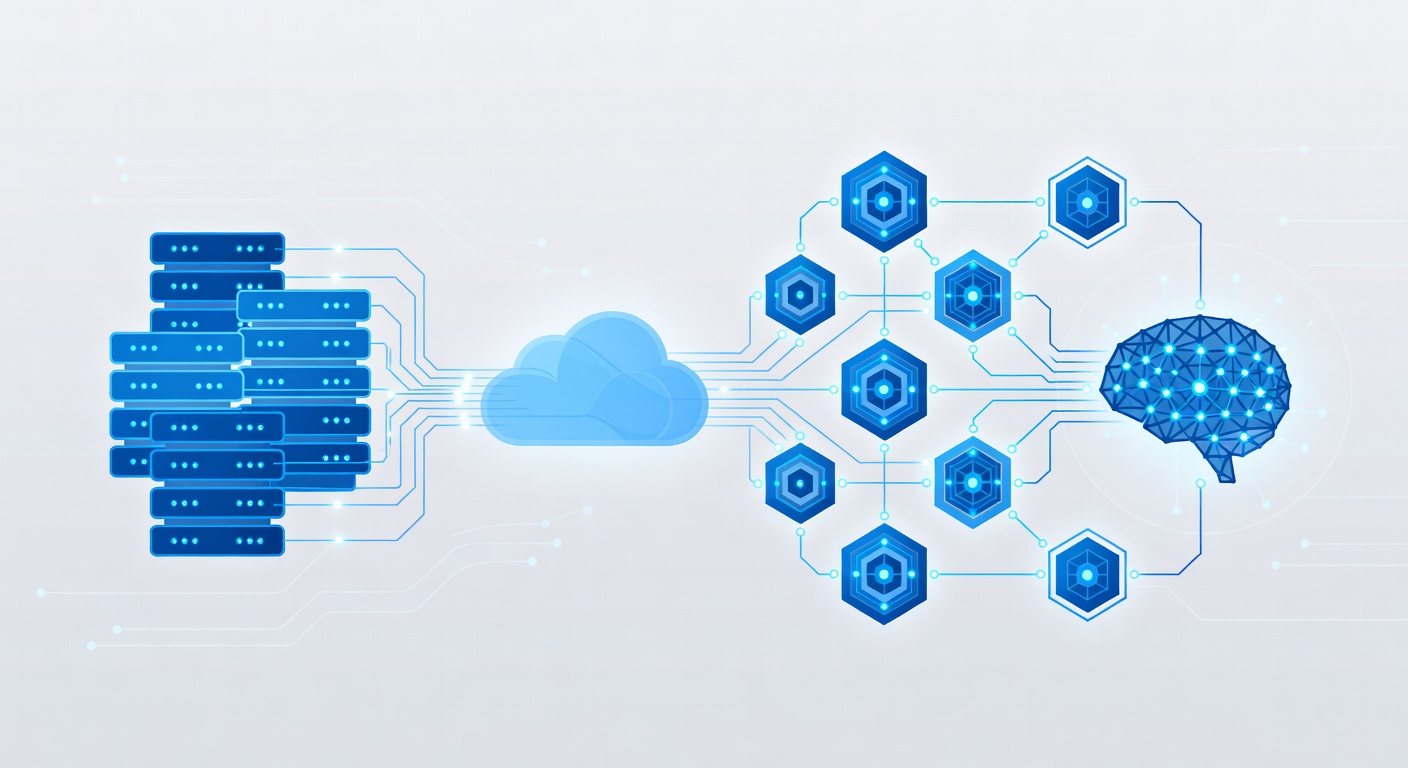
Desktop guardrails are different from traditional security approaches. Instead of trying to lock down your entire system, they work at the application level—sitting between your AI agent and the tools it wants to use. It's like having a bouncer at the door of your most critical functions.
The Multi-Platform Advantage
SigmaShake Desktop running on Windows, macOS, and Linux means you're not locked into a specific development environment. Whether you're building on a Mac, deploying on Linux servers, or testing on Windows—the same guardrails travel with you.
This cross-platform consistency is underrated. Security tools that work differently across operating systems create maintenance nightmares and potential gaps. A unified approach means your safety rules stay the same everywhere.
Integration Without Friction
The best security tool is one developers actually use. Complex, slow, or hard-to-integrate safety systems end up disabled or bypassed. The emphasis on speed (sub-2ms execution) signals that SigmaShake is designed for real production workloads, not just compliance checkboxes.
When your guardrail system adds imperceptible latency, it's much harder to justify removing it in the name of performance optimization.
Building Trust in AI Automation
Here's what often gets overlooked in discussions about AI safety: trust is transactional. Your users, stakeholders, and compliance teams need to trust that your AI systems won't go rogue. Your infrastructure team needs to trust that AI agents can't accidentally (or intentionally) wreck critical systems.
Desktop-level guardrails are a tangible way to build that trust. They're verifiable, they're visible, and they're within your control.
Looking Forward
The real story here isn't about one tool—it's about a fundamental shift in how we think about AI safety. We're moving from "hope the model behaves" to "assume it won't and intercept accordingly."
As AI agents become more capable and more autonomous, the guardrails we build today become the foundation for responsible AI deployment tomorrow. Speed matters. Security matters. Having both matters most.
If you're building with AI agents and giving them access to anything important—your data, your APIs, your infrastructure—guardrails aren't nice-to-have. They're table stakes.