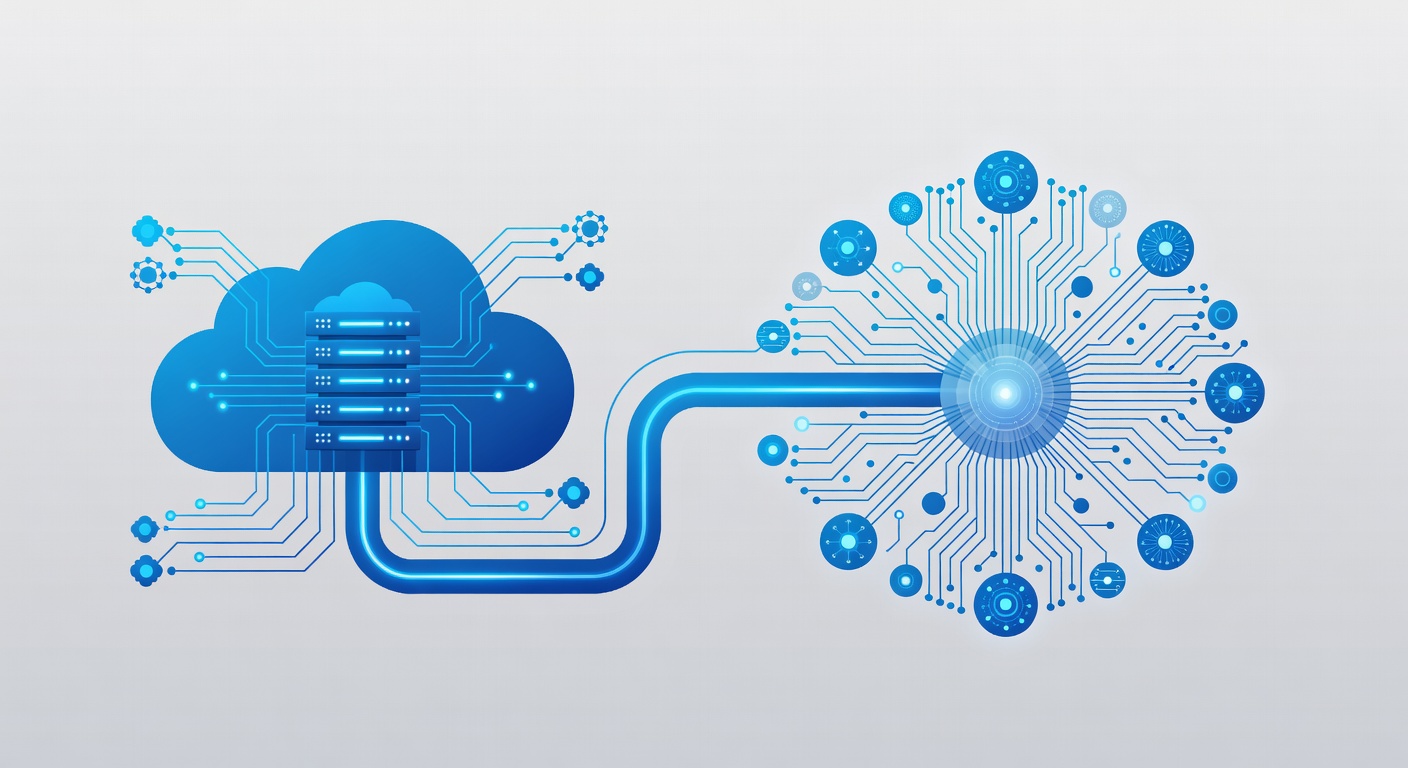
How Self-Evolving AI Context is Revolutionizing Code Generation
The Problem with Static AI Context
For years, AI coding assistants have operated on a simple principle: you ask, it answers. But there's a critical limitation baked into most current solutions. These tools maintain a largely static understanding of your project, your codebase patterns, and your development style. They don't truly learn from what they've already helped you build.
Think about how a human senior developer works. They don't just solve problems in isolation—they build mental models. They understand your architecture decisions, your naming conventions, your deployment patterns. They remember what worked and what didn't. Your average AI coding agent? Not so much.
Enter Self-Evolving Context
A new breed of development tools is changing this dynamic. Instead of treating each coding session as a blank slate, these agents maintain and continuously refine their understanding of your project ecosystem. They build context over time, learning from successful implementations, detecting anti-patterns, and adapting their suggestions accordingly.
This is more than just keeping a history of past conversations. It's about sophisticated context management that allows AI agents to understand the "why" behind your code decisions, not just the "what."
What This Means for Your Development Workflow
Smarter Suggestions, Faster Iterations When an AI understands your project's evolution, it can generate more contextually appropriate code. Instead of generic solutions, you get recommendations that align with your existing patterns and architectural decisions.
Consistency Across Teams For larger development teams, self-evolving context means AI agents can maintain consistency in coding style, framework usage, and architectural patterns across multiple developers and projects.
Reduced Context Switching Developers spend less time explaining project nuances to their AI assistant. The tool already "knows" about your stack, your conventions, and your recent architectural changes.
Improved Error Detection An agent that understands your project's evolution can spot inconsistencies and potential bugs that would fly past a stateless AI. It recognizes when you're deviating from established patterns—sometimes that's intentional, sometimes it's a mistake.
The Technical Foundation
These self-evolving systems typically work through:
- Persistent memory architectures that store and retrieve relevant project history
- Vector embeddings that understand semantic relationships between different parts of your codebase
- Reinforcement learning mechanisms that reward suggestions leading to working code
- Context prioritization algorithms that surface the most relevant historical decisions
The infrastructure powering this requires sophisticated data management, similar to what you'd need for robust cloud hosting solutions that maintain state across distributed systems.
Where This Fits in Your Stack
If you're building applications on modern cloud platforms, integrating self-evolving AI context becomes part of your development infrastructure. Just like choosing the right domain registrar or configuring DNS for optimal performance, selecting the right AI development partner matters for long-term productivity.
This is particularly valuable for:
- Microservices architectures where consistency across services is critical
- API-driven development where pattern recognition accelerates implementation
- Multi-tenant SaaS platforms that require meticulous attention to security and consistency
- DevOps workflows where infrastructure-as-code patterns benefit from learned conventions
The Broader Implications
We're witnessing a shift from AI as a transactional tool ("generate me a function") to AI as a collaborative partner that grows with your project. This mirrors how cloud hosting has evolved—from static server provisioning to intelligent, adaptive infrastructure that learns your needs.
The real power emerges when you combine self-evolving context with other modern development practices: proper version control, comprehensive testing, clear documentation, and solid domain architecture. These aren't replacements for good engineering; they're force multipliers.
Looking Ahead
As these systems mature, we'll likely see deeper integration with traditional development workflows. Imagine an AI agent that understands not just your code, but your deployment patterns, your CI/CD configurations, your database schemas, and your monitoring requirements. That's the trajectory we're on.
For developers and startups thinking about tool selection, this raises important questions: How does your development infrastructure capture and utilize project context? What systems can grow with your codebase and your team's expertise?
The future of coding assistance isn't about replacing developers—it's about creating truly intelligent partners that make every developer more effective.