How Decentralized Social Networks Are Finally Breaking Free from Platform Lock-In
The Open Social Web Is Having Its Moment
For years, we've heard the promise: a social internet that isn't controlled by a handful of mega-corporations. One where you own your identity, control your data, and aren't subject to algorithmic whims or sudden policy changes. The vision was compelling, but the execution? Well, it required a computer science degree and the patience of a saint.
Enter a new generation of applications that are finally making the open social web accessible to regular people.
The UX Problem Nobody Wanted to Talk About
Let's be honest. Previous attempts at building open social networks suffered from a critical flaw: they were hard to use. Whether we're talking about mastering ActivityPub, understanding federation, or managing multiple accounts across different instances, the friction was real.
The distributed architecture that makes these networks powerful—their ability to operate without central control—created a user experience maze that deterred adoption. Developers were excited. Regular users? Not so much.
Bridging the Gap Between Ideals and Reality
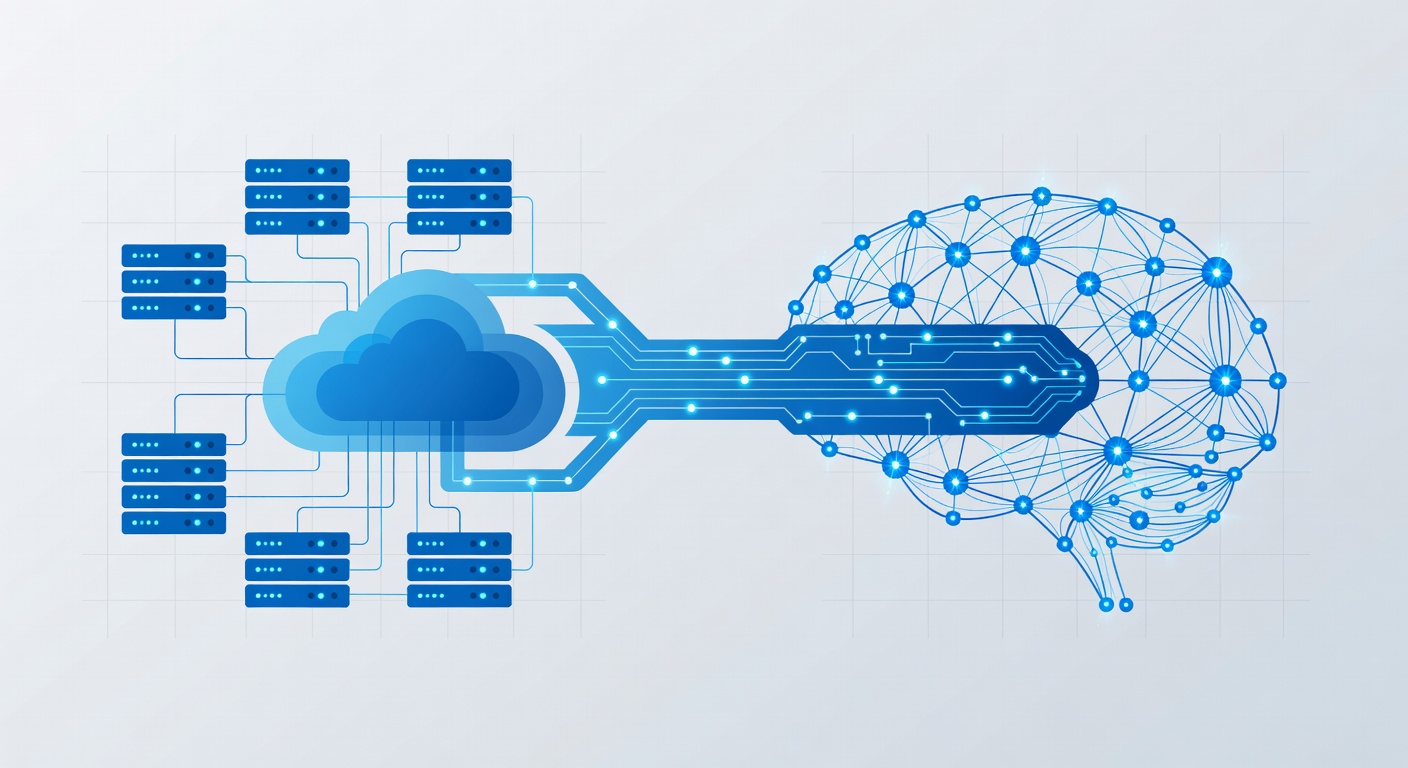
What's changed is architectural thinking. Smart developers realized you could build an elegant, unified interface on top of the open social web without compromising its fundamental principles. Think of it like how email works: there's a decentralized protocol underneath (SMTP, IMAP), but your Gmail or Outlook interface is clean and intuitive.
The new breed of applications is following this playbook. They're taking the protocols and standards that power open social networks—your identity, your connections, your content—and wrapping them in experiences that feel modern, responsive, and genuinely user-friendly.
What This Means for Developers and Entrepreneurs
From a technical standpoint, this shift is significant. We're seeing:
Abstraction of complexity: Backend protocols become invisible to end users, while developers maintain full flexibility and portability.
Better interoperability: Apps can work together without corporate gatekeeping. Your followers aren't locked into one application—they're yours, regardless of which client you choose to use.
Real data ownership: Users can export their data, migrate their identity, or create forks without losing their entire social graph. This is the opposite of how today's platforms operate.
Innovation incentives: When users aren't trapped, developers compete on experience and features, not on lock-in tactics. Better products win.
The Infrastructure Opportunity
For platforms like NameOcean and other hosting providers, this trend is interesting. Decentralized social networks still need infrastructure—servers running nodes, databases storing content, DNS managing identities. The difference is that this infrastructure can be distributed across many providers rather than concentrated in data centers owned by single corporations.
Developers building the next generation of social applications will need reliable, scalable hosting. They'll need domain management that supports decentralized identifiers. They'll want cloud infrastructure that respects their independence. These are new markets opening up for infrastructure providers willing to support the open web.
Why This Matters Beyond Social Media
The consolidation of the open social web into user-friendly applications signals something larger: the maturation of decentralized technologies. If it works for social networking, the same patterns can apply to publishing, finance, gaming, and content creation.
We're witnessing the point where idealism meets pragmatism. The technology was always capable. The missing piece was making it feel effortless.
What's Next?
Watch for applications that successfully abstract away the complexity while maintaining the benefits of an open protocol. The winners will be those that deliver the best user experience while respecting user autonomy—not those claiming to be the "official" client for any particular protocol.
The open social web isn't replacing traditional social media because it's more ideologically pure. It's winning because it's becoming more usable. And that's when real transformation happens.
The decentralized future doesn't require you to care about decentralization. It just requires you to have a better experience. That's the promise finally being kept.