How AI-Powered Music Generation is Reshaping Creative Development Workflows
How AI-Powered Music Generation is Reshaping Creative Development Workflows
The AI Audio Revolution is Here
We've watched artificial intelligence transform countless industries—from natural language processing to image generation. Now, the music technology space is experiencing its own breakthrough moment. Companies are moving beyond simple text-to-speech applications into genuine, production-ready music generation platforms that can create original compositions, adaptive soundscapes, and dynamic audio experiences.
For developers and startup founders, this shift represents both an opportunity and a challenge worth understanding.
Why This Matters for Your Tech Stack
If you're building web applications, games, podcasts, or video content platforms, audio has always been a resource bottleneck. Licensing music is expensive. Hiring composers is expensive. Storing and serving high-quality audio files at scale? Also expensive.
AI-powered music generation flips this equation. Instead of sourcing pre-made tracks or commissioning original scores, you can now generate contextually appropriate audio on-demand. Imagine:
- Dynamic game soundtracks that adapt to player actions in real-time
- Personalized podcast intros generated instantly for each episode
- Background music for SaaS dashboards that maintains brand consistency without licensing fees
- Adaptive content soundscapes for educational platforms that respond to learning pacing
This isn't theoretical. These capabilities are becoming accessible to developers right now.
The Technical Integration Question
Here's what gets interesting from a technical perspective: how do you actually integrate AI music generation into your infrastructure?
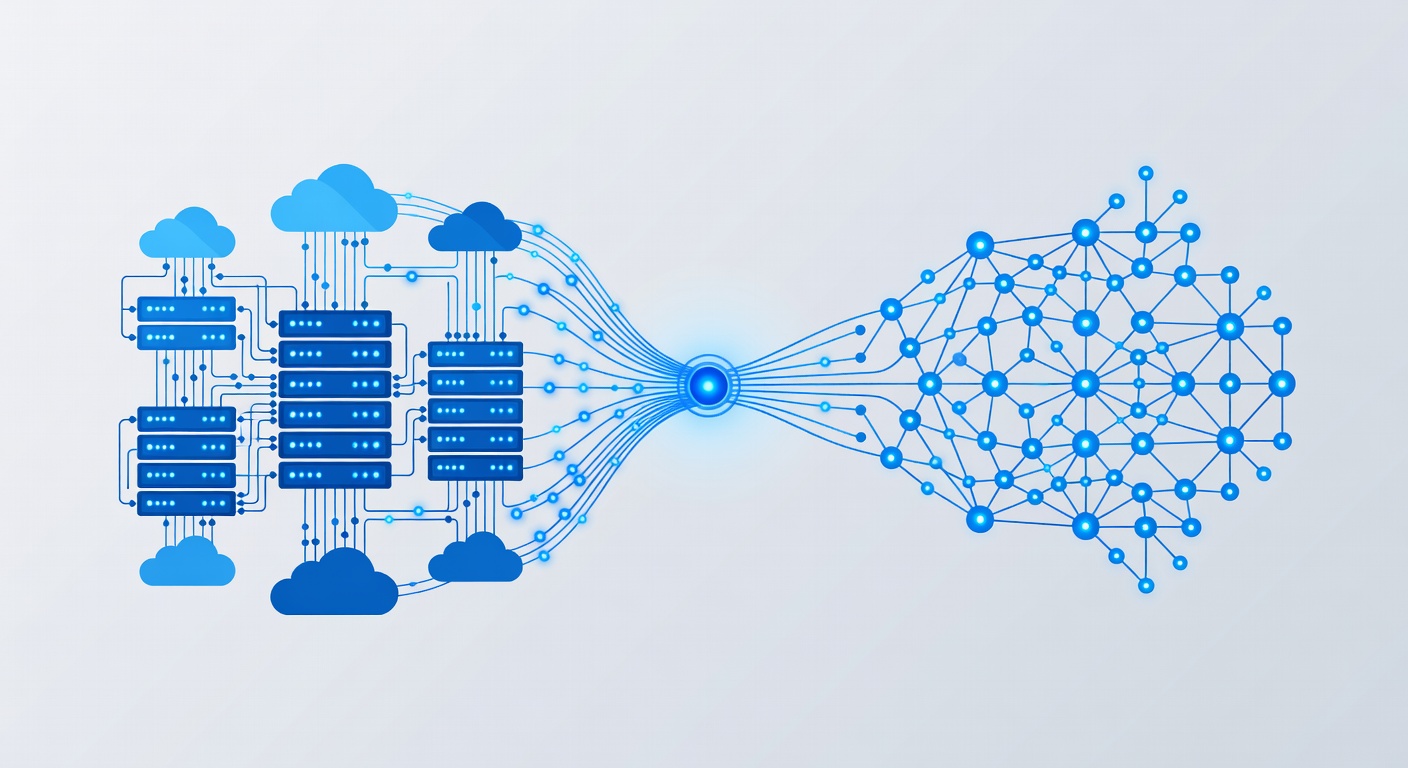
Most modern AI music tools operate via API, meaning you can make HTTP requests to generate audio programmatically. You can embed music generation into your backend workflows, trigger it based on user events, or run it as part of your content pipeline during deployment.
The challenge lies in understanding latency, cost, and quality control:
- Latency: Real-time generation might introduce delays. Do you cache pre-generated options or generate on-demand?
- Cost: API pricing scales with generation requests. Large-scale applications need to model these expenses carefully.
- Quality Control: AI-generated music is improving rapidly, but it's not always perfect on the first try. Implementing feedback loops and human review processes remains important.
Implications for Content-Heavy Platforms
If you're running a platform that serves lots of user-generated content—think YouTube competitors, podcasting platforms, or video hosting services—music generation tools are particularly valuable.
Users can now create complete, monetizable content without worrying about copyright strikes or licensing complexity. A creator can generate original background music, sync it with their video, and publish immediately. This democratizes content creation in meaningful ways.
At NameOcean, we think about how these technologies fit into the broader infrastructure stack. Your domain, DNS configuration, SSL certificates, and hosting platform all need to support these modern content delivery patterns. If you're hosting content that includes AI-generated music, you're dealing with potentially large file sizes and dynamic generation workflows—considerations that affect your entire architecture.
The Creative Autonomy Question
There's an interesting tension here worth acknowledging. As AI handles more of the mechanical work—generating background music, creating adaptive soundscapes, producing placeholder audio—what does creative work actually mean?
The answer: more specialized and intentional. Rather than spending weeks commissioning or licensing music, creators can focus on higher-level decisions. Should this scene have orchestral instrumentation or electronic? Should the tempo reflect user engagement or story progression? These become the actual creative choices.
AI handles execution. Humans handle direction.
What Developers Should Watch
As these tools mature, a few trends are worth monitoring:
1. API Standardization: Just as cloud hosting providers developed common standards, music generation APIs will likely converge on shared patterns and specifications. Learning one platform's approach increasingly transfers to others.
2. Integration with Existing Tools: Expect deep integration with video editors, game engines, podcast platforms, and content management systems. The friction of "generate music separately, then integrate it" will decrease.
3. Licensing Clarity: This remains somewhat unsettled. If AI generates music, who owns it? What are the commercial rights? This will sort itself out gradually, but it's worth understanding your platform's approach before going all-in.
4. Quality Improvements: Like all generative AI, the output quality is improving month over month. Tools that felt experimental six months ago now produce genuinely professional-grade results.
Building for the AI-Powered Music Era
If you're considering integrating AI music generation into your platform, here's how to think about it:
Start by identifying where audio is currently a pain point. Is music licensing draining your budget? Are creators frustrated by copyright issues? Is your platform missing adaptive audio experiences? If you can point to a specific problem, you have a use case for generative music.
Next, evaluate the technical integration effort. How many API calls would you realistically make? How does latency affect user experience? Where would you cache or optimize? These questions should inform your architecture decisions.
Finally, consider the user experience. Even if you can generate perfect music, how do creators interact with it? Do they get fine-grained controls, or is it fully automated? Does your platform emphasize AI-generated audio, or is it one tool among many?
The answers will vary based on your specific platform, but asking these questions now positions you ahead of the curve.
The Bigger Picture
AI-powered music generation is part of a larger shift toward democratized creative tools. Alongside advances in image generation, video synthesis, and code generation, we're watching artificial intelligence remove friction from content creation workflows.
This doesn't replace human creativity—it amplifies it. Creators spend less time on busywork and more time on intentional, expressive decisions. Platforms become more sophisticated without dramatically increasing complexity. Users get access to professional-grade tools at lower costs.
From a NameOcean perspective, we're excited about how this affects the entire technology ecosystem. Your domain, your hosting infrastructure, your API endpoints, and your content delivery—all of these need to evolve to support these new creative possibilities.
The music generation revolution isn't coming. It's already here. The question is how you integrate it into your technical vision.