How AI-Powered Features Are Reshaping Social Media: What X's Grok Integration Means for Content Creators
The AI Assistant Is Coming to Your Feed
Remember when image editing meant firing up Photoshop or at least wrestling with a mobile app? And translation required either fluent bilingual skills or an awkward copy-paste into Google Translate? Those days are rapidly becoming relics.
X's integration of Grok—its proprietary AI model—directly into the platform represents a significant shift in how social networks are approaching user experience. Instead of sending users elsewhere to solve these problems, the platform is embedding intelligence right where creators spend their time.
What This Means for Your Content Strategy
If you're managing a brand presence on X or creating content for international audiences, this development deserves your attention. Native translation tools reduce friction significantly. Your tweet meant for English speakers can automatically reach Spanish, Japanese, or German audiences without manual intervention or quality concerns.
The photo editing capabilities matter too. Quick, AI-assisted image adjustments mean you're not context-switching between five different tools just to post content. For developers building integrations or tools that work alongside social platforms, this is a wake-up call: users increasingly expect AI assistance to be seamless and built-in.
The Broader Implications for Platform Architecture
What X is doing here isn't unique—it's part of a larger industry movement. As we discussed in our previous posts about cloud infrastructure and hosting scalability, platforms need the computational power to run these AI models at scale. We're talking about:
- Low-latency inference on user requests
- Distributed computing to handle millions of simultaneous translation requests
- Efficient model optimization to keep latency under control while maintaining quality
If you're building SaaS applications or considering adding AI features, X's approach offers lessons in integration design. Don't bolt AI on as an afterthought—architect it into your platform from the ground up.
Infrastructure Considerations for AI-Powered Features
Here's where it gets technical. Implementing real-time AI features requires serious infrastructure planning:
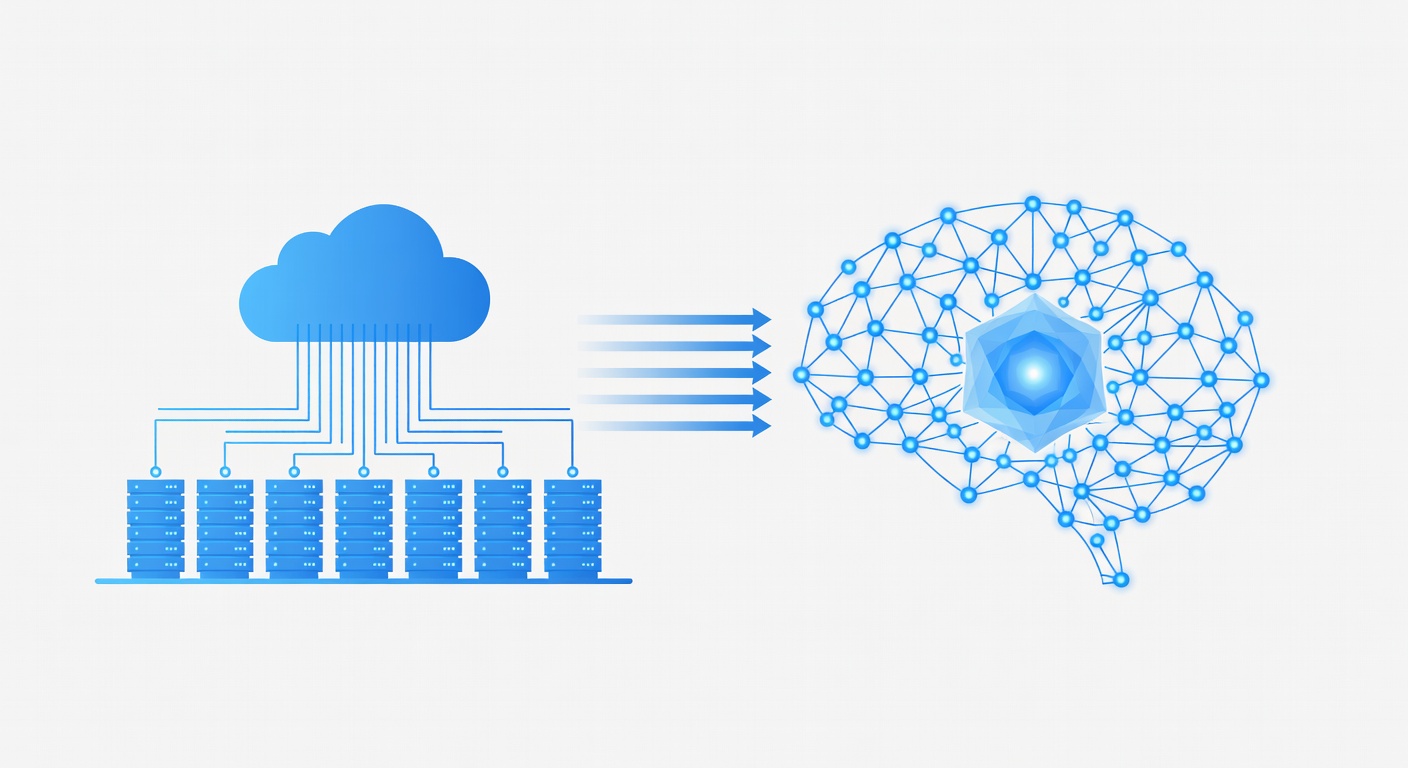
Processing Power: Grok's translation and image processing models need to run on robust cloud infrastructure. This isn't something you can cheap out on with basic shared hosting. You're looking at GPU clusters, optimized model serving, and probably containerized deployments (think Kubernetes for AI workloads).
API Design: Every translation request, every image edit creates API calls. The architecture needs to handle spiky traffic gracefully. Rate limiting, queuing, and async processing become critical design decisions.
Data Privacy: When a platform processes user-generated content through AI models, data handling becomes crucial. If you're building similar features, think about where data flows, how long it's retained, and whether you're complying with GDPR, CCPA, and other regulations.
What This Means for Developers
If you're building applications that interact with social platforms via APIs, this is important context. As platforms become smarter and more integrated, the opportunities for third-party developers shift. You're no longer just pulling data and displaying it—you're potentially augmenting platform-native features or building complementary tools.
Consider:
- Integration workflows: Can your app leverage these new features programmatically?
- User expectations: If users expect AI assistance elsewhere, they'll expect it in your app too
- Competitive positioning: Features that were differentiators five years ago are now table stakes
The Real Opportunity: Building on Top of This Trend
This isn't just about X. This is about the broader AI-assisted development landscape we've been tracking at NameOcean. As we help startups and developers build their digital presence—from domain registration to cloud hosting—we're seeing the same pattern: AI is moving from "nice to have" to "fundamental infrastructure."
If you're planning to launch or scale a web application in 2026, bake AI capabilities into your planning. Whether that's via hosted models, third-party APIs, or custom implementations, plan for it early. The performance, UX, and infrastructure decisions you make today will determine how easily you can integrate these features later.
The Bottom Line
X's rollout of Grok-powered features is a signal that the future of digital platforms is AI-native. Content creators get better tools, platforms become stickier and more valuable, and the barrier to entry for competitive features rises higher.
For developers and entrepreneurs, this means two things: First, understand how AI integration affects platform architecture and user experience. Second, start thinking about how AI fits into your own product roadmap—not as an experiment, but as a core capability.
The platforms that embed intelligence seamlessly will win. The question isn't whether to add AI to your roadmap anymore. It's how and when.