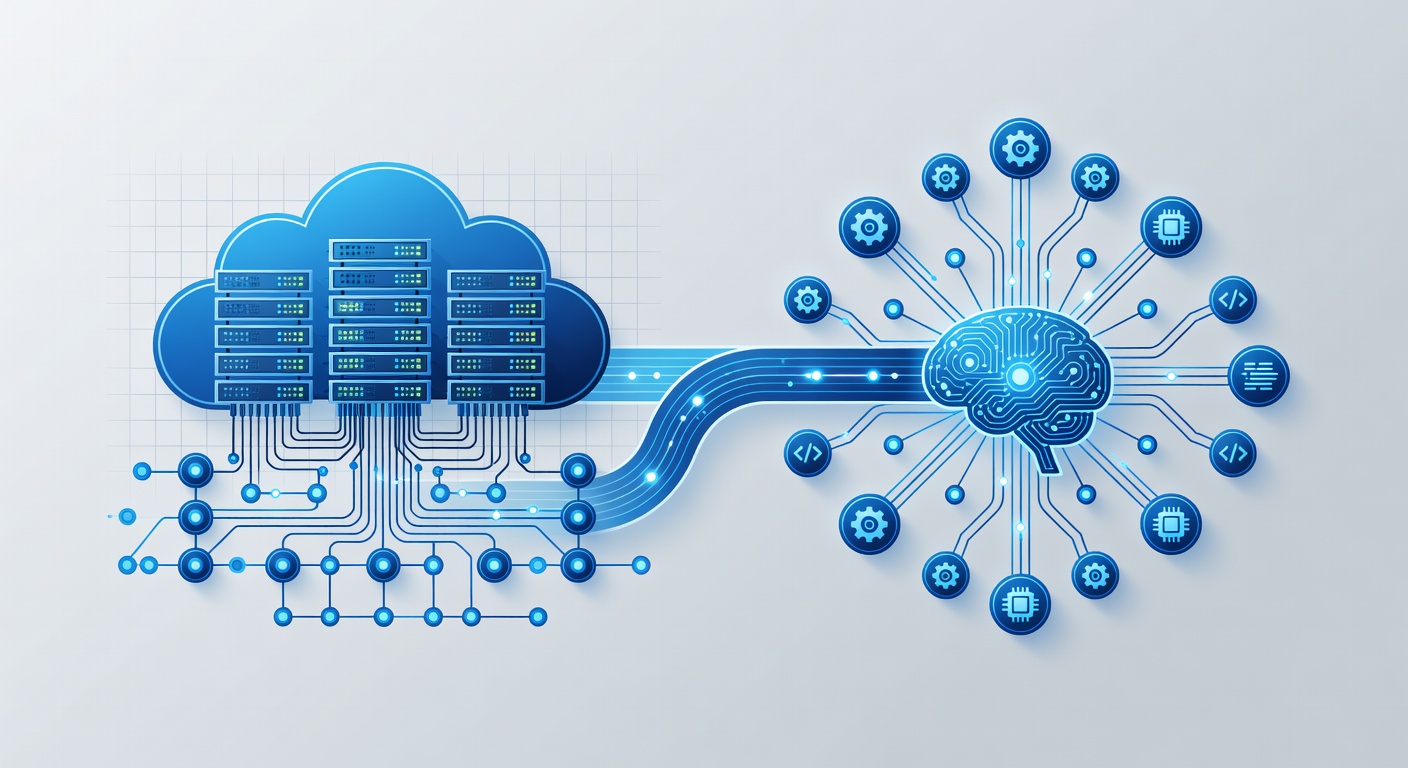
Herdr: Managing Multiple AI Agents From Your Terminal Has Never Been Easier
Herdr: The Terminal-Native AI Agent Orchestrator You've Been Waiting For
The Problem With Managing Multiple AI Agents
Let's be honest—coordinating multiple AI agents is getting complicated. You might have one agent handling API requests, another managing data processing, and yet another handling user interactions. Without proper orchestration, you're either switching between windows constantly or dealing with resource conflicts that'll drive you up the wall.
Most solutions? They either force you into web-based dashboards or introduce unnecessary complexity. If you're a developer who thinks faster at the command line, these options feel like friction.
Enter Herdr: Multiplexing For The Terminal Generation
Herdr approaches this differently. Instead of building another web interface, it brings agent multiplexing directly to your terminal environment. Think of it as tmux or screen, but purpose-built for AI agent management.
What Makes Herdr Stand Out
Terminal-First Philosophy: Herdr doesn't pretend you want a GUI. It recognizes that for many developers, the terminal is the most efficient workspace. No browser tabs, no context switching—just pure command-line productivity.
Lightweight Orchestration: Rather than reinventing the wheel with heavyweight infrastructure, Herdr focuses on being a lean multiplexer that coordinates agent communication and lifecycle management without bloat.
Developer-Friendly Integration: This is open-source software built by developers for developers. That means straightforward configuration, reasonable defaults, and a commitment to keeping things maintainable.
Why This Matters For Modern Development
If you're building AI-assisted applications—whether it's through NameOcean's cloud hosting infrastructure or your own stack—agent coordination becomes increasingly important. Herdr simplifies the operational burden significantly.
Real-World Use Cases
- Development Environments: Spin up multiple specialized agents (code analysis, documentation, testing) and manage them as a cohesive system
- Microservice Orchestration: Coordinate AI agents that each handle specific tasks within a larger application architecture
- Local Development Workflows: Before deploying agents to cloud infrastructure, test multi-agent interactions locally with full visibility
- Rapid Prototyping: Quickly iterate on AI agent designs without worrying about management overhead
Integration With Your Stack
Running Herdr alongside cloud hosting platforms like NameOcean makes deployment smoother. Develop your multi-agent systems locally using Herdr, then scale them to cloud infrastructure with confidence. The terminal-based workflow also plays nicely with modern DevOps practices—everything's scriptable, automatable, and version-controllable.
Getting Started With Herdr
The barrier to entry is refreshingly low. Head to the GitHub repository, clone it, and you're already ahead of many other orchestration options. The project's design emphasizes developer experience, so you won't find yourself wrestling with Byzantine configuration files.
Since it's open-source, you can inspect exactly how agents are being managed, fork it for custom needs, or contribute improvements back to the community.
The Bigger Picture
Herdr represents a trend we're excited about: tools that respect developer preferences rather than fighting against them. There's real value in solutions that work with your existing workflow instead of demanding you adapt to their paradigm.
As AI-assisted development continues to mature, orchestration tools like this will become less of a "nice to have" and more of an essential part of the stack. Having robust, command-line-friendly options ensures developers maintain control and visibility over their agent systems.
Final Thoughts
Whether you're building vibe-powered applications or coordinating complex AI workflows, Herdr deserves a spot in your toolkit. It's lean, it's practical, and it respects your development philosophy.
Want to level up your development environment? Give Herdr a try and let us know how it integrates with your workflow. And if you're hosting your AI applications on cloud infrastructure, you might find that local orchestration with Herdr pairs beautifully with the scalability and reliability of proper cloud hosting solutions.
Happy agent multiplexing.