Giving Your AI Agents Ears: Why Media Transcription is the Missing Piece in AI Development
The Problem with AI That Can't Listen
Here's something that's been nagging at the AI development community for a while now: ChatGPT is brilliant at understanding text, Claude can reason through complex problems, but ask either of them to analyze a podcast episode or extract insights from a TikTok video? They'll politely tell you they can't access video or listen to audio.
It's a genuine limitation. Your AI agents are locked out of roughly 70% of the internet's content—everything that exists as audio, video, or rich media. That's millions of podcasts, billions of video clips, and countless hours of valuable information that intelligent systems simply cannot process natively.
Until now, the workaround has been clunky: manually transcribe content, upload text files, hope nothing important gets lost in translation. It works, but it's inefficient. And inefficiency is expensive when you're building AI-powered products.
The Transcription Revolution is Here
What's changed is that transcription technology has reached a inflection point. Modern AI transcription services aren't just converting speech to text anymore—they're doing it with near-perfect accuracy, across dozens of languages, in real-time, and at a price point that makes it viable for production workflows.
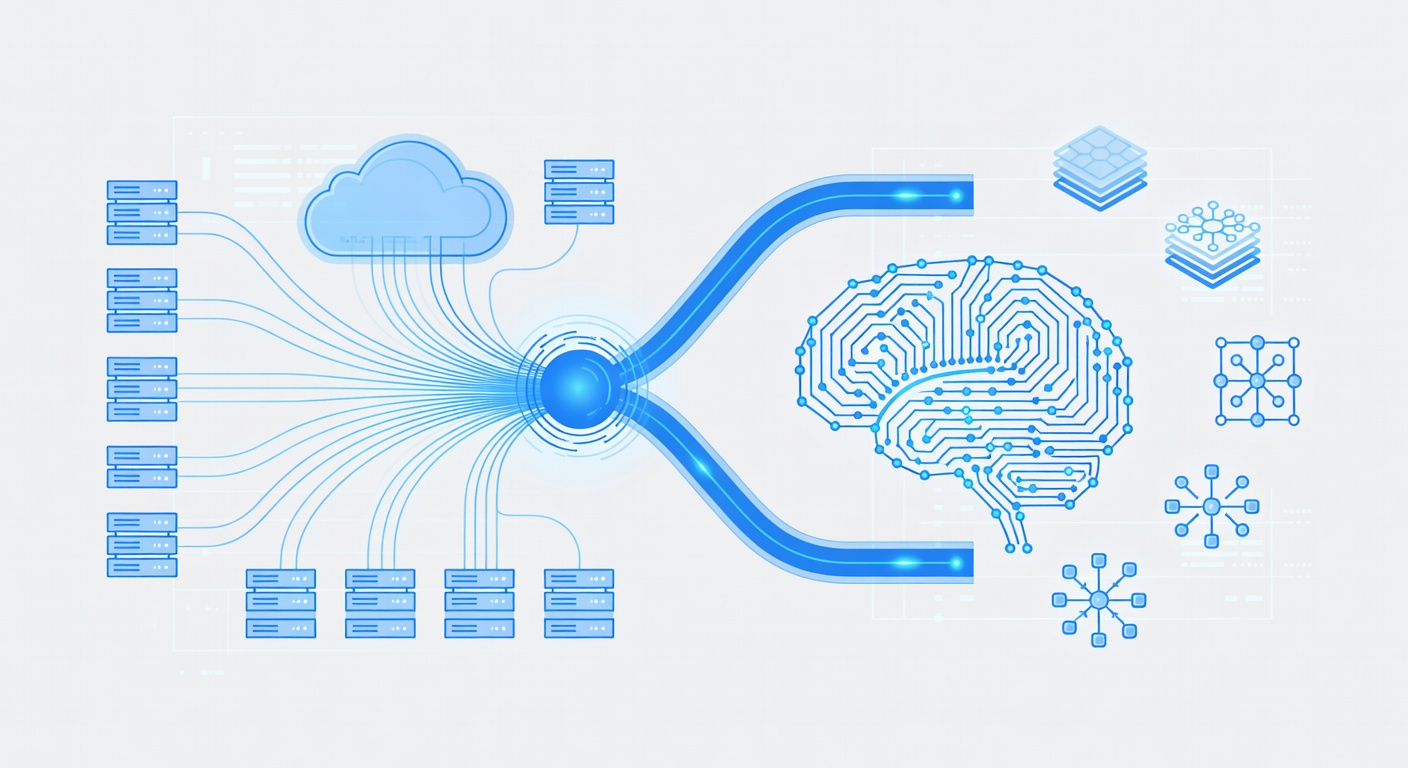
The real game-changer? Integration with your existing AI toolkit. By connecting transcription services to Claude and ChatGPT through Model Context Protocol (MCP) servers, developers can now pipe multimedia content directly into their AI agents. Your AI doesn't just get text; it gets context, timestamps, speaker identification, and nuanced understanding of what was actually said.
Think about what that enables:
For content creators: Automatically generate summaries, show notes, and SEO-optimized blog posts from video content without manual editing.
For researchers: Analyze hundreds of interview recordings, podcast episodes, or conference talks and extract patterns or insights in minutes instead of weeks.
For customer support teams: Transcribe call recordings in real-time, feed them to AI agents that identify issues, sentiment, and resolution opportunities automatically.
For product development: Monitor social media conversations at scale, understanding not just what people say but how they say it.
What Makes This Different
The typical transcription API might handle YouTube and maybe a few other platforms. Modern transcription infrastructure is purpose-built for breadth: YouTube, TikTok, Instagram Reels, Facebook videos, Spotify, Apple Podcasts, Twitter/X, LinkedIn—basically anywhere people post audio or video content.
The accuracy matters too. Consumer-grade transcription sometimes misses nuance. Enterprise-grade AI models running on GPU infrastructure deliver transcripts with proper punctuation, speaker differentiation, and intelligent error correction that understands context. The difference between "their," "there," and "they're" shouldn't rest on chance.
Pricing is another consideration. Older transcription services charged per hour (often $1-3 per audio hour), which added up fast if you were processing volume. The newer per-minute model ($0.004 per minute) is roughly 10x cheaper for heavy users, and you only pay for what you consume. No mysterious subscription tiers, no hidden fees.
The Developer Experience Matters
Here's what makes this worth discussing: it's developer-friendly. The ability to install an MCP server and suddenly give your AI agents multimedia capabilities feels almost magical the first time you experience it. You're not rebuilding your architecture or retraining models. You're just... expanding their sensory capabilities.
The API documentation needs to be solid for this to work at scale, and that's where the distinction between a tool and a platform becomes clear. A tool does one thing. A platform lets you build on top of it—custom workflows, integration with your existing systems, scaling according to your needs rather than fitting into someone else's boxes.
Early access to APIs is usually a good signal. It means the product team is thinking beyond the current implementation. They're asking "what will developers actually want to build?" rather than "what can we ship today?"
The Free Credits Angle
Most services offer a trial period. This one offers $1 in permanent free credits. That might not sound like much until you do the math: $1 covers over 4 hours of transcription. That's enough to:
- Transcribe a typical podcast season
- Process a full conference's worth of talks
- Evaluate whether the service is worth integrating into your product
No credit card required. No expiring credits that vanish on day 31. That's a low-friction onboarding flow, which matters because good technology should be easy to try.
What This Means for Your Next Project
If you're building AI agents, the transcription gap is about to stop being a problem. If you're working on content tools, customer intelligence systems, or anything that needs to understand human communication at scale, you've suddenly got a missing piece that actually works.
The implication is bigger though: AI development is moving toward richer inputs and better context understanding. The frontier isn't just about training bigger models—it's about connecting those models to all the information they actually need to be useful. That's an evolution worth paying attention to.
We're at the point where the tools to build sophisticated AI systems are becoming accessible enough that the limiting factor isn't technology—it's imagination. That's genuinely exciting.