Finding Hidden Gems in the Public Domain: Why Digital Discovery Matters for Developers and Content Creators
The Public Domain Problem Nobody Talks About
Here's a frustration we don't discuss enough: the public domain is massive, but it's fragmented. Millions of works have entered the public domain—books published before 1928 in the US, government documents, academic research, digital archives scattered across universities and libraries. Yet finding specific content? That's where things fall apart.
You might know that certain Shakespeare plays are free to use, but what about that 1920s technical manual you need for a retro computing project? Or historical photography collections for your AI training dataset? Or obscure scientific papers that predate copyright restrictions?
The answer often comes down to luck, persistence, and knowing exactly where to search.
Why Discovery Systems Are Game-Changers
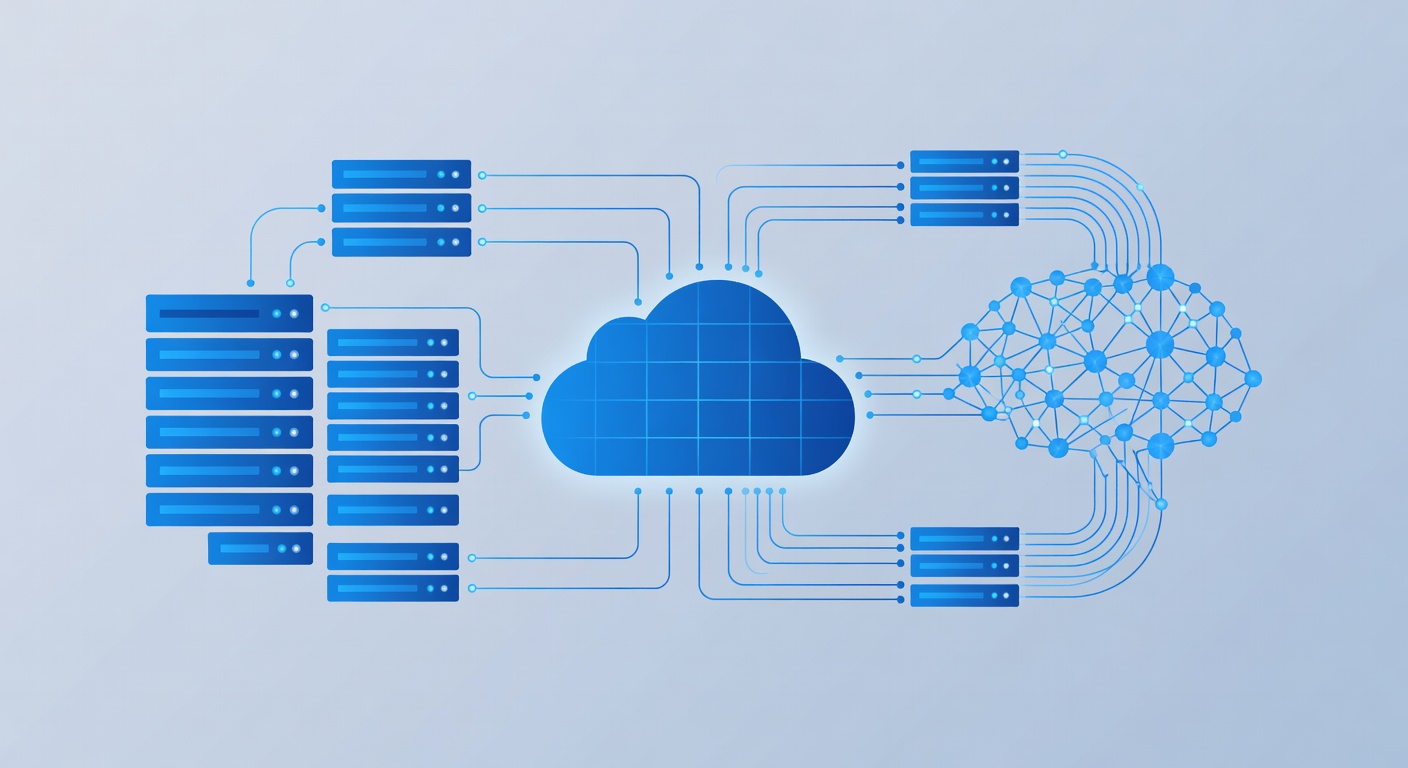
A well-designed public domain discovery system acts like a search engine for the commons. Rather than bouncing between dozens of siloed archives—Project Gutenberg, the Internet Archive, government repositories, university digital collections—a unified index lets you search once and surface results from everywhere.
This matters for several practical reasons:
For developers: Access to historical datasets, documentation, and code without licensing complications. Training datasets, algorithm references, and foundational technical papers become readily accessible.
For content creators: Stock photos, music samples, visual assets, and reference materials that can be legally incorporated into projects without negotiation or attribution hassles.
For researchers: Accelerated access to prior work, historical context, and primary sources that inform innovation without institutional barriers.
For startups: Cost elimination on content licensing and unlimited ability to repurpose public assets in commercial products.
The Technical Challenge of Indexing the Unindexed
Building a public domain discovery system isn't straightforward. Here's why:
Metadata fragmentation. Archives describe items differently. One library uses Dublin Core standards; another uses custom schemas. Copyright status varies by jurisdiction and publication date—American copyright law differs from European law.
Decentralized sources. Content lives in thousands of repositories with different APIs, crawler restrictions, and update frequencies. Some archive institutions don't expose their catalogs to automated discovery.
Rights determination. Figuring out if something is actually public domain requires parsing complex publication histories, authorship details, and renewal records. A book might be in the public domain in some countries but not others.
Scale. We're talking millions of works. Processing, deduplicating, and ranking them requires serious infrastructure.
What Smart Discovery Unlocks
When these challenges are solved—when you can actually find public domain content efficiently—entire use cases become viable:
- Retroactive dataset creation. Researchers can compile historical datasets that were previously inaccessible.
- AI training on open material. Models trained on known, public domain datasets sidestep licensing debates.
- Creative remixing. Developers and artists can build on historical works legally.
- Preservation visibility. Lesser-known works get discovered and preserved by the community.
The NameOcean Connection: Building on Open Foundations
At NameOcean, we're excited about tools that help developers and creators build freely. Whether you're hosting an archive, serving public domain content, or creating applications that tap into the commons, your infrastructure should be as open and accessible as the content itself.
Our AI-powered Vibe Hosting makes it straightforward to spin up discovery platforms, archives, and content-serving applications without wrestling with complex deployment workflows. And having the right domain—something memorable and relevant—amplifies your discovery platform's visibility.
The Bigger Picture
Public domain discovery systems represent something larger: the democratization of information. They acknowledge that culture, knowledge, and creativity build on what came before. When that foundation is accessible to everyone without restriction, innovation accelerates.
The next generation of apps, research, and creative work will increasingly leverage these open resources. Having discoverable, well-indexed access to the public domain isn't just nice—it's becoming infrastructure.
If you're building tools, platforms, or content experiences that depend on open access, now's the time to invest in discovery. The commons are vast. We just need better ways to navigate them.