Development Untethered: How Vibe Coding is Changing Mobile App Creation
Development Untethered: How Vibe Coding is Changing Mobile App Creation
Remember when "mobile development" meant writing native iOS or Android apps? The landscape has shifted dramatically, and now the tools themselves are becoming mobile-first. We're witnessing a fundamental change in how developers and non-technical builders approach creating web applications.
The Democratization of Development Continues
Vibe coding platforms have already disrupted the traditional development workflow by eliminating the need to write boilerplate code from scratch. You describe what you want to build in plain English, and AI handles the heavy lifting—generating frontend components, backend logic, and database schemas. It sounds like science fiction, but it's very much our present reality.
The latest evolution? Taking this capability off the desktop and putting it directly in developers' pockets.
What Changes When Development Goes Mobile?
This isn't just about shrinking a desktop interface to fit a smaller screen. Mobile-first development tools require rethinking the entire interaction model. Touch-optimized gestures, streamlined interfaces, and the ability to work with meaningful constraints all play a role.
The key advantages are straightforward:
Real-Time Iteration: Start a project idea while you're thinking about it. You're stuck in traffic? Build a landing page. Waiting for a meeting? Prototype that feature you discussed.
Collaborative Workflows: Share progress with team members directly from your mobile device. Real-time previews mean stakeholders can see exactly what you're building without needing to be at a desk.
Rapid Prototyping: The friction between "idea" and "deployed prototype" drops to near-zero. What used to take days of backend setup and deployment configuration now happens in minutes.
No Context Switching: For indie developers and founders, staying in the same environment across devices eliminates the mental load of switching between tools and contexts.
The Infrastructure Behind Mobile Vibe Coding
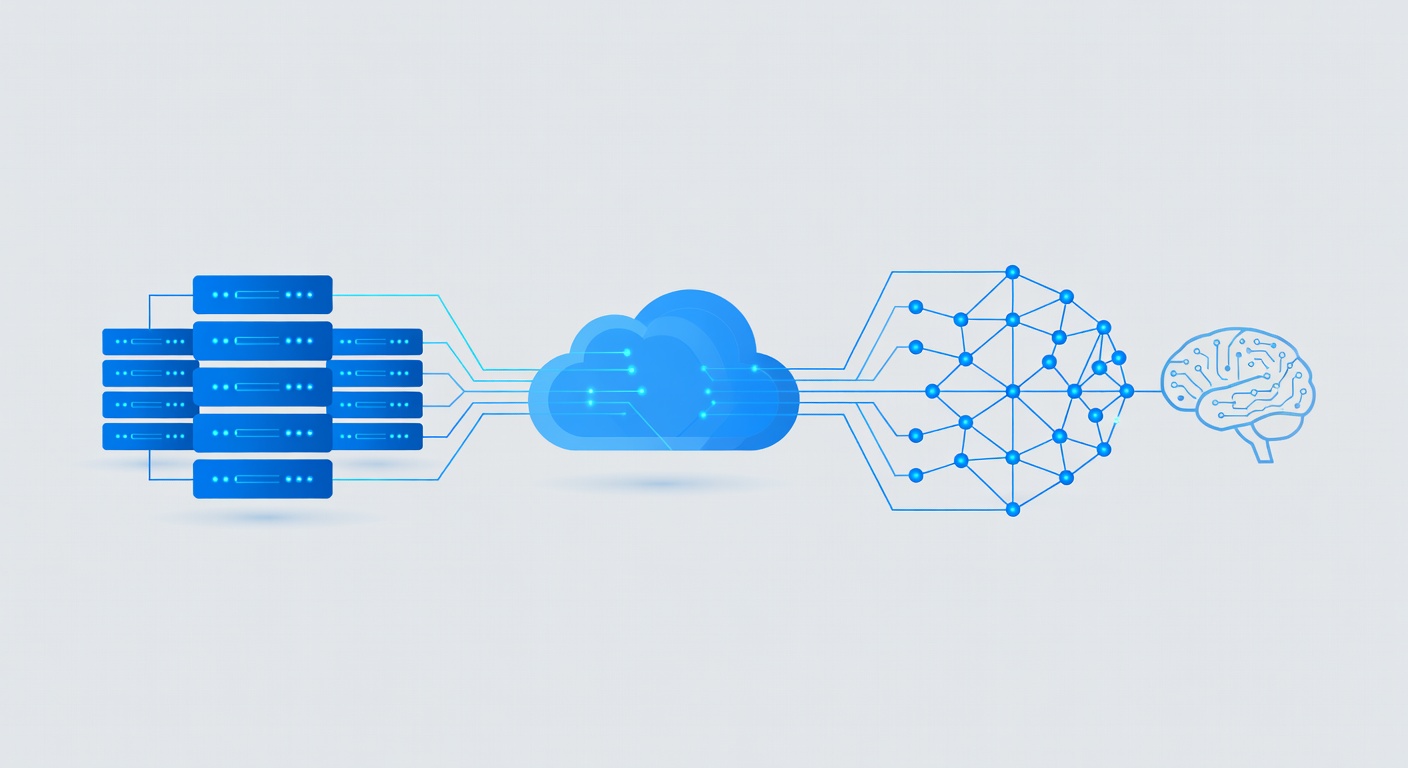
Here's where it gets interesting from a technical perspective. Mobile vibe coding requires robust cloud infrastructure to handle:
- Real-time code generation and compilation
- Instant preview rendering across different screen sizes
- Seamless synchronization between devices
- Version control integration without complex git workflows
- One-click deployment to production environments
This is why domain management and reliable hosting become even more critical. Your mobile app might generate code faster than ever, but that code still needs a rock-solid home. CDN distribution, DNS reliability, and SSL certificate automation all work behind the scenes to make this frictionless experience possible.
Who Benefits Most?
Solo Founders: Building MVPs without a technical co-founder just became more practical. You can validate ideas independently without waiting for developer availability.
Design Teams: Designers can now move from Figma mockups to functional prototypes without throwing work over the wall to engineers. The feedback loop tightens significantly.
Rapid Prototypers: Consultants and agencies that need to spin up demos and proof-of-concepts are seeing their delivery timelines compress dramatically.
Distributed Teams: Mobile-first development means your team's productivity isn't tied to office hours or desk setup.
The Broader Shift in Developer Tools
This trend reflects something bigger: the commoditization of basic development tasks. We're witnessing a layering effect in the tools landscape:
- Layer 1: AI handles repetitive, standardized code generation
- Layer 2: Developers focus on custom business logic and specialized requirements
- Layer 3: Infrastructure and deployment become increasingly abstracted
Mobile vibe coding represents Layer 1 becoming truly portable. It's the next natural step after remote work proved that developers don't need to be physically present at a desk to be productive.
What This Means for Your Workflow
If you're a developer, this doesn't mean your skills are obsolete—quite the opposite. These tools handle the commodity work, freeing you to focus on problems that actually require human creativity and domain expertise. You become the architect, not the keyboard.
If you're a non-technical founder, mobile vibe coding removes one of the biggest barriers to bringing technical ideas to life. You can now validate concepts, build functional prototypes, and make informed decisions about hiring developers before committing significant resources.
The Hosting and Domain Implications
As more developers build apps from their phones, the infrastructure supporting these tools becomes mission-critical. This creates new requirements for:
Domain Registration: Rapid prototyping means you might need multiple domains quickly. Streamlined domain registration becomes a productivity tool, not an afterthought.
SSL/TLS Management: Every prototype needs to be secure by default. Automated certificate provisioning removes another friction point.
Cloud Hosting Scalability: Mobile-generated apps need hosting that scales from zero to production without manual intervention.
DNS Reliability: Real-time previews and deployments depend on bulletproof DNS infrastructure.
The tools are getting smarter, but the infrastructure underneath needs to keep pace.
Looking Ahead
We're in the early stages of a profound shift in application development. The question isn't whether AI-assisted coding will become standard—it's how quickly the entire industry will adapt to this new reality.
Mobile vibe coding is the canary in the coal mine, telling us that friction in the development process is disappearing faster than most people realize. The developers and builders who embrace these tools and learn to use them effectively will move faster than those waiting for the "right" time to jump in.
The future of development is being built by people who are comfortable describing their ideas in plain language, iterating rapidly on mobile devices, and letting AI handle the grunt work. That future is already here. The question is: are you ready to build in it?
Your ideas are too important to be held up by outdated development workflows. Whether you're prototyping on your phone or deploying to production, having reliable domain registration and hosting infrastructure means you can focus on what actually matters—building great products.