Building Better AI Development Workflows: A Developer's Guide to Faster Feedback Loops
Building Better AI Development Workflows: A Developer's Guide to Faster Feedback Loops
If you've shipped any AI-powered feature in the last year, you know the struggle: your AI models work great in development, but real-world usage reveals blind spots. Client feedback arrives in fragments—Slack messages, support tickets, email threads—and getting that signal back into your development pipeline feels like pushing water uphill.
This is where the conversation around AI-native development feedback systems becomes crucial.
The Problem With Traditional Feedback Loops
Here's what typically happens:
- You deploy an AI feature
- Clients report issues or unexpected behavior
- Feedback gets lost in communication channels
- Weeks later, your team finally synthesizes the problem
- You push a fix to production
- The cycle repeats
Meanwhile, your AI models are making the same mistakes for every user. It's inefficient, expensive, and frankly—it's costing you product-market fit.
The gap between deployment and actionable insight is killing velocity.
Why Open-Source Solutions Matter Here
The beauty of open-source feedback pipelines is that they're built by developers who actually ship AI products. They understand the specific pain points:
- Data fragmentation: Feedback lives in a dozen different places
- Context loss: By the time feedback reaches your team, crucial context is gone
- Latency: Days of delay between problem detection and resolution
- Attribution: Which client reported what issue? When? Under what conditions?
An open-source approach means the tooling evolves with real production needs, not abstract product requirements. When you encounter a use case the tool doesn't handle, you can extend it.
How Modern Feedback Pipelines Work
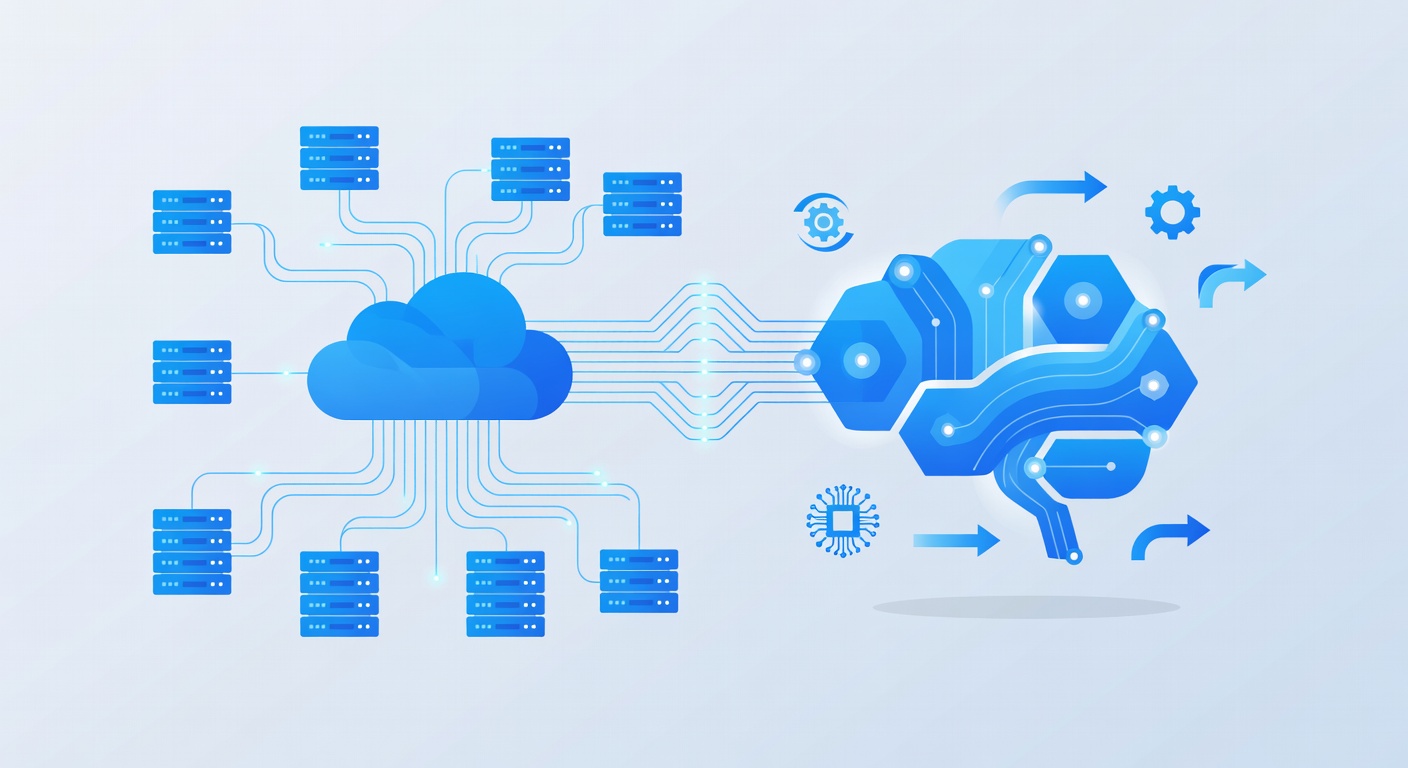
Think of a feedback pipeline as a structured funnel for client input:
Client Interaction
    ↓
Signal Capture (automated + manual)
    ↓
Normalization & Enrichment
    ↓
Categorization & Priority Assignment
    ↓
Developer Dashboard
    ↓
Model Retraining / Feature Refinement
    ↓
Deployment
The magic happens in the middle layers. A good feedback system automatically:
- Deduplicates similar issues (5 clients reporting the same AI hallucination = 1 priority fix)
- Enriches context (logs, user metadata, environment details)
- Routes intelligently (is this a model issue or a prompt engineering problem?)
- Tracks outcomes (did the fix actually resolve the problem for that client?)
The Client-Centric Design Philosophy
Here's something that separates serious feedback systems from half-baked ones: they need to work for your clients, too.
Your clients don't want to jump through hoops to report bugs. They want:
- Simple, frictionless reporting mechanisms
- Confirmation that their issue was received and understood
- Transparency into progress and resolution timelines
- Optional: early access to fixes before general rollout
When your feedback system is friction-free for clients, you get higher-quality data. More reports. Earlier signals about problems. Which means faster fixes.
Real Benefits for AI-Native Teams
Teams using structured feedback pipelines report:
Faster iteration cycles — Instead of guessing at what's wrong, you're debugging with real data. AI model improvements go from hypothesis-driven to evidence-driven.
Better product decisions — You see patterns in client feedback that reveal feature gaps or design mistakes nobody anticipated. This is gold for roadmapping.
Improved model quality — Each piece of client feedback becomes potential training data or validation signal. Your models improve faster in production than in dev environments.
Stronger client relationships — Clients feel heard. When they see their reported issue fixed in the next release, trust increases. That's retention.
Getting Started With Open-Source Solutions
If you're building AI products or thinking about introducing AI features to your platform, consider:
Audit your current feedback mechanisms — Where does client feedback actually go today? How long until it reaches your engineering team?
Identify your friction points — Are clients waiting 2+ weeks for fixes? Is feedback getting lost? Are you making the same fixes twice?
Explore community-built solutions — Look at what other AI-native teams are using. GitHub is full of emerging tools built for exactly this problem.
Start small — You don't need a complex system. A lightweight pipeline that captures feedback, normalizes it, and routes it to your team is a 100% improvement over scattered channels.
Integrate with your workflow — The best feedback system is one that lives where your developers already work (IDE, issue tracker, CI/CD pipeline).
The Future of Development Feedback
As AI becomes table-stakes in product development, the teams that win will be those with the tightest feedback loops. Not because they're smarter, but because they're learning faster.
The open-source community is building the infrastructure to make this possible. The tools exist. What's left is adoption—teams choosing to invest in feedback as first-class infrastructure rather than an afterthought.
Your AI models are only as good as the signal you feed them. And that signal starts with your clients.
Building in the AI era? Start thinking about your feedback pipeline now. Your future self (and your clients) will thank you.