Building a Better Viewing Experience: How Content Metadata APIs Are Transforming Horror Fandom
The Hidden Architecture Behind Your Perfect Watch
If you've ever had to pause a horror film because your heart couldn't handle another sudden scare, you're not alone. But here's something interesting: the solution isn't just about the content itself—it's about how we serve that content intelligently.
A new wave of applications is tackling this problem by combining content metadata, machine learning, and smart notification systems. And honestly? It's a fascinating look at how modern web architecture can solve real user problems.
Understanding Content Metadata at Scale
At its core, warning users about jump scares requires rich, structured data about media content. This isn't something you can crowdsource overnight. It requires:
- Timestamped event data: Precise markers for when intense moments occur
- Community-sourced verification: User reports aggregated and validated
- Machine learning classification: Algorithms that can predict intensity spikes
- API integration: Real-time connection between your viewing app and the warning system
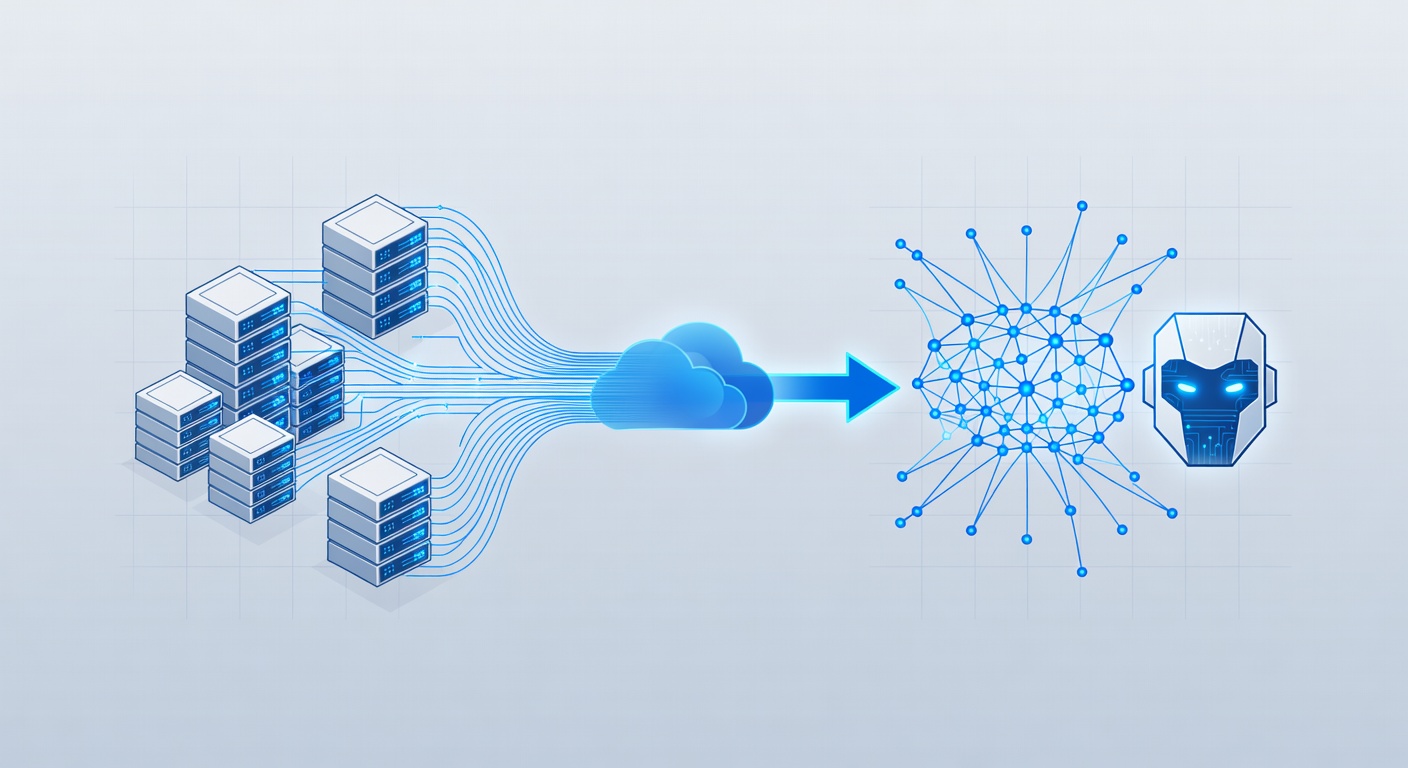
From a technical perspective, this is essentially building a content intelligence layer on top of existing streaming services. Much like how CDNs optimize video delivery, these systems optimize the emotional delivery of content.
The API Architecture Challenge
Here's where it gets interesting for developers: how do you reliably deliver warnings before a moment happens when you're dealing with streaming video?
The latency requirements are brutal. A warning that arrives 3 seconds too late is worthless. You're looking at:
- Sub-second processing of video content
- Real-time database queries for metadata
- Push notification delivery with minimal overhead
- Client-side buffering strategies to account for network delays
This is similar to challenges we see in real-time DNS resolution or instantaneous SSL handshakes—except your user experience depends on psychological timing, not just technical timing.
Why This Matters for Your Infrastructure
Whether you're building a content platform or thinking about how to serve personalized experiences at scale, this architectural pattern has lessons:
1. Metadata is Product Your raw content is just the beginning. The data about your content—structured, searchable, and actionable—becomes your actual product. Think about how NameOcean's DNS infrastructure works: the domain itself is valuable, but the metadata layer makes it useful.
2. Real-Time Requirements Demand Edge Computing You can't afford to route every decision through a centralized server. Warnings need to be processed close to the user, which means edge-based logic and smart caching strategies.
3. User Agency Drives Retention Applications that give users control over their experience (not just content, but how they experience it) see dramatically better engagement. This is why customizable warnings beat forced content ratings.
The Developer Takeaway
If you're building the next generation of streaming apps, media platforms, or content services, consider: what metadata intelligence could transform how users interact with your product?
For horror fans specifically, this solves a real problem. For everyone else, it demonstrates how thoughtful API design and metadata architecture can create surprisingly personal user experiences at massive scale.
The jump scare warning app is cool. But the real innovation is the infrastructure that makes it possible.
Want to host your content platform with AI-assisted optimization? Check out NameOcean's Vibe Hosting—designed for developers building the next generation of personalized services.