Beyond the Year: How Spotify's New Lifetime Listening Recap is Changing Music Nostalgia
The Evolution of Spotify Wrapped
Remember when Spotify Wrapped was just that one thing you waited for every November? The annual tradition has become so culturally significant that people actually plan their listening habits around it. But Spotify just upped the ante with a feature that's part time machine, part personal music museum.
The platform has launched a full-archive retrospective tool that lets you dive into your complete listening history since day one. No more limiting yourself to 12 months of data—now you can scroll through years of musical evolution, guilty pleasures, and that one artist you streamed obsessively in 2019 that you've never mentioned to another human.
Why This Matters for Data-Driven Platforms
From a technical perspective, this is genuinely interesting. Spotify is sitting on massive amounts of historical user data. Most streaming services treat this like a vault—useful for recommendations and analytics, but rarely exposed to users in a meaningful way.
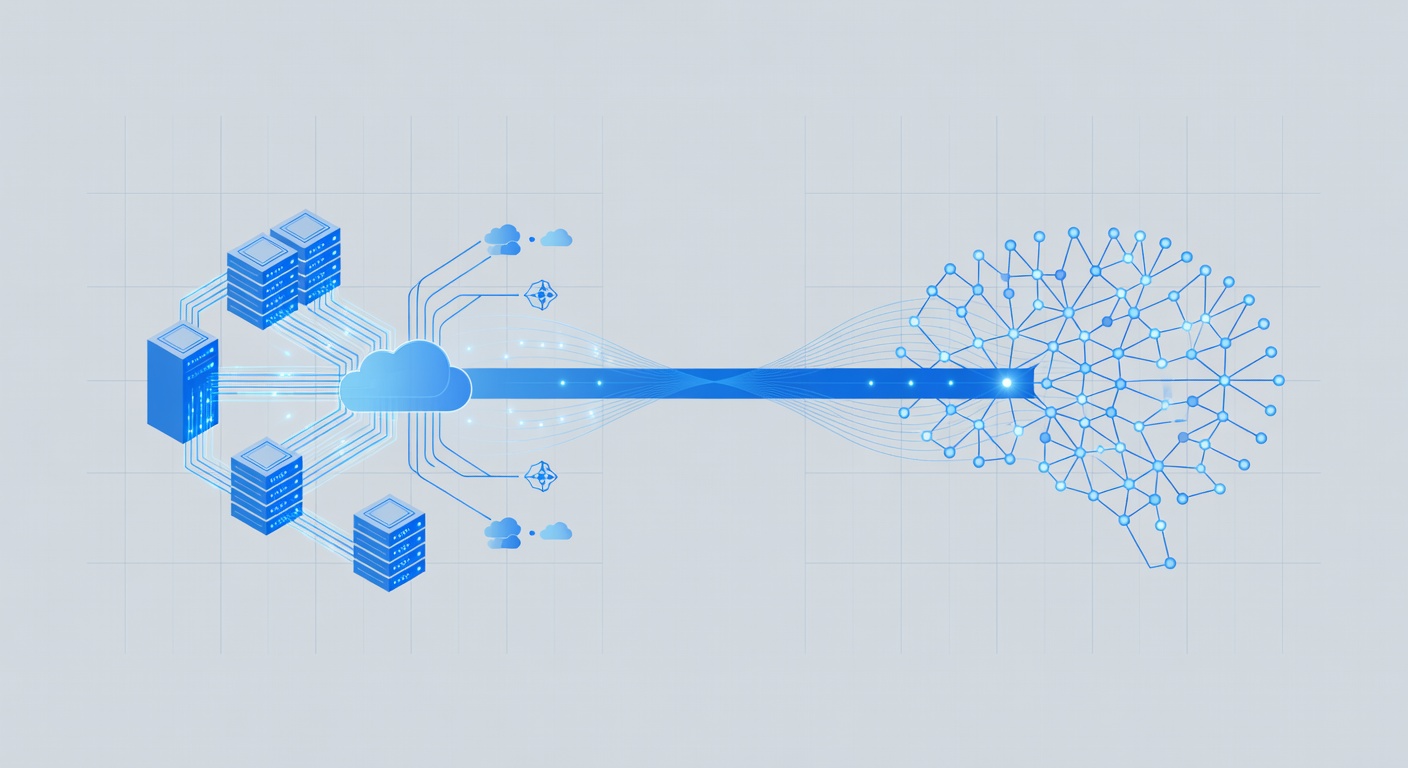
By building this lifetime recap feature, Spotify is essentially turning its data warehouse into an interactive storytelling tool. That's not trivial from an engineering standpoint. We're talking about:
- Real-time querying of petabyte-scale datasets
- Personalized visualization generation that needs to run at scale
- Nostalgia-driven engagement metrics that likely perform better than traditional notifications
It's the kind of feature that looks simple on the surface but requires serious backend infrastructure.
The Psychological Play
There's also a clever psychological angle here. Platforms like TikTok and Instagram have proven that nostalgia content drives engagement. Users love reflecting on their past selves. Spotify's Wrapped tapped into this brilliantly—it became appointment viewing, shareable social currency.
This lifetime feature doubles down on that insight. Instead of being limited to one annual moment, users now have year-round access to their personal music archive. Want to revisit what you were listening to during that breakup in 2021? It's right there. Curious about how your taste has evolved? The data tells the story.
What This Means for User Retention
From a business standpoint, this is a retention masterclass. The more personalized and emotionally connected users feel to a platform, the less likely they are to switch. By giving users access to such a rich, nostalgic view of their own behavior, Spotify is essentially saying: "Your history matters. Your taste matters. You matter."
That's harder to replicate on a competitor's platform, especially if you've already invested years of listening data. It's a subtle but effective lock-in mechanism that doesn't feel exploitative—it actually feels generous.
The Developer Angle
If you're building tools that manage user data or engagement, pay attention to what Spotify is doing here. The lesson isn't specific to music streaming:
- Surface the data that already exists. Don't just hoard user information for internal analytics.
- Make reflection interactive. Let users explore their own behavior in ways that feel personal and meaningful.
- Build for shareability. If users want to share their results, make that effortless.
- Invest in visualization. The presentation matters as much as the data.
Looking Forward
This feature also hints at where platforms are heading. As regulations around data transparency increase, expect to see more companies turning "user data" into "user experiences." It's better PR, it's more ethical, and it turns what could feel invasive into something actually valuable.
For Spotify, it's a smart move. For the rest of us building on the web, it's a reminder that the best features often come from asking: "What cool thing could we do with the data we're already collecting?"